Refurbishing the Auckland Domain Winter Gardens.
Week One: Possibility
For this paper we are to propose a scheme for a refurbishment or temporary retrofitting of the Auckland Domain Winter Gardens.
When reading through this semesters paper guide I was immediately excited with the project ahead of me. Over the past two years of this course I have found that nature has always been a concept I’ve been drawn to and something that stimulates my creativity. I admire natures ability to grow and change over time creating such a contrast of texture, colour and form. Working with a site where plant requirements were the driving force of the design intrigues me as I begin to think about how my design could evolve and progress like nature does over time.
Though I have never visited the gardens themselves I look forward to hopefully having the opportunity to visit the site. This would mean I’d be able to take the time to experience the space and the types atmospheres created.
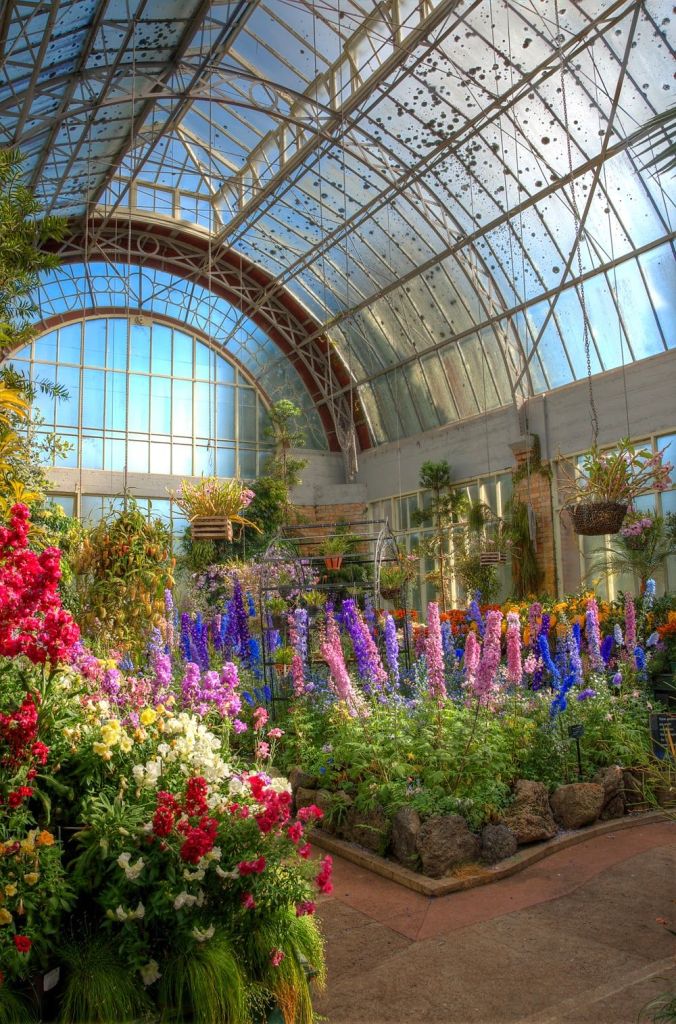
Auckland Domain Wintergardens:
The Auckland Domain has been a public park since 1844 but was considered to be an area that was frequently visited by “undesirables”. The Wintergardens were considered to be part of the gentrification of the park, providing an attraction for people during the winter months.
Originally designed by Gummer and Ford, the garden was built in stages between 1916 and 1928 consisting of two barrel-vaulted steel glasshouses joined by a courtyard and pergolas that back onto the Fernery. The complex is a Category 1 Heritage Site meaning it is highly protected and its history must be respected throughout my design process.
The design itself shows considerable influence from the English partnership of Edwin Lutyens and Gertrude Jekyll who are well known designers of the Arts and Crafts movement (1850-1910). The Arts and Crafts movement consists of easily identifiable features such as rustic houses and buildings, structured gardens (through the use of hedges and other shrubs creating walls and rooms), mass planting to create borders and plant design that thought about sequence, colour and seasonal changes. This movement was made up of English designers and writers who wanted a return to well-made, handcrafted goods instead of mass-produced, poor quality machine-made items.
Specific modifications within the Wintergardens:
- Tropical climate
- Temperature differences
- Water
- Shade
- Climbing Structures
These modifications work to support a variety of plant life that require different environments to flourish.
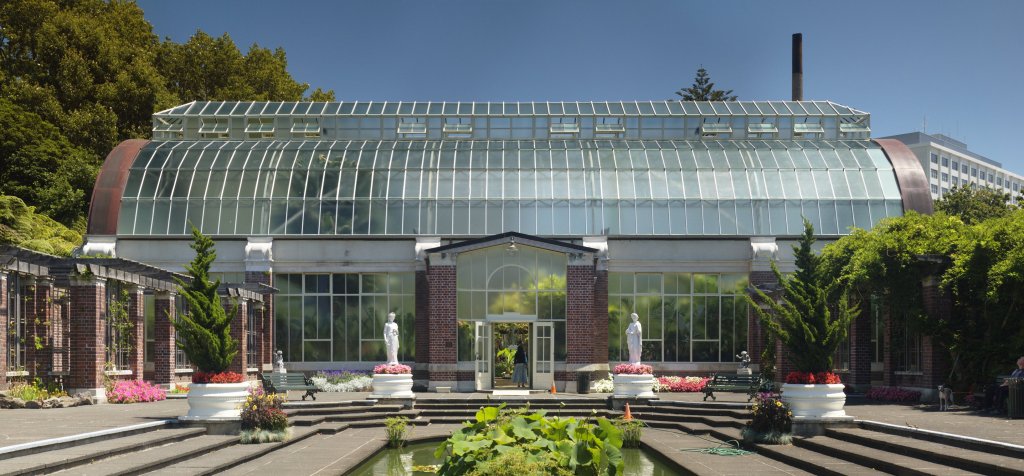
Wider Context of the Auckland Domain Wintergardens:
The Auckland Domain is the oldest park in the city and at 75 hectares is also one of the largest. The park is located atop of the Pukekawa Volcano. Pukekawa is one of the oldest in the Auckland volcanic field and consists of a large explosion crater with a small scoria cone surrounded by a tuff ring made up of a mixture of volcanic ash, lapilli and fragmented sandstone.
The Domain itself is home to many activities and attractions such as the Auckland War Memorial Museum, several sports fields, the Auckland City Hospital, the Wintergardens and duck ponds for the public to enjoy.
Maori History – Pukekawa was identified by early Maori’s as one of the best sites in the area as the north facing side of the volcanic cone was well suited for growing kumara. The hill itself was used for storage and as a space for Maori settlement while the crater swamp provided the villages with water. In the English Language “Pukekawa” translates to ‘hill of bitter memories’. It is said that this name likely refers to various tribal battles between the Ngapuhi and the Ngati Whatua Iwi.
European History – After the land was brought from the Ngati Whatua it was set aside as a public reserve in 1843 by Governor Fitzroy and now remains one of the cities greatest assets. The Wintergardens were designed by Gummer and Ford in the early 1900s in the style of the famous English partnership of Edwin Lutyens and Gertrude Jeckyll and opened in 1913. During the 1920s and 1930s William Elliot donated money and several marble statues to complete the Wintergarden complex. Dominating the Auckland Domain is the Auckland War Memorial Museum which opened in 1929.
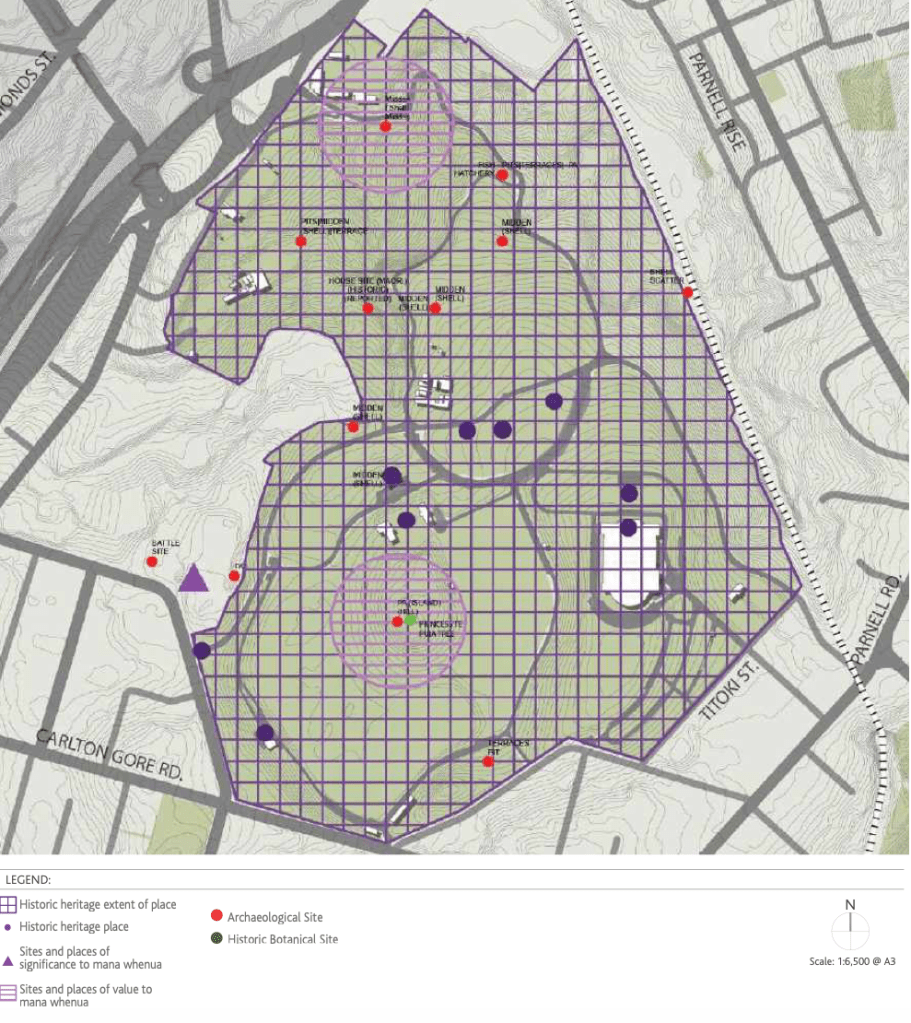
Featured below is an illustration showing the location of mana whenua, heritage and cultural elements that are recorded and known within the Auckland Domain.
The Winter Gardens: Empire, Zebras and the Wardian Case – Ian Henderson
I found this context talk very helpful as a beginning point for this paper. It enabled me to begin thinking about my own understanding of nature and how my thoughts and opinions may have been influenced.
I thought the way garden design changed over time with different movements as a result of gardens becoming more public and commercialised was intriguing. This was pushed by industrialisation changes. The idea of Gardens started out as what is defined the ‘English Landscape’. These spaces were called picturesque made up of seamless rolling hills in a very painterly style. This then lead to the Gardenesque movement where designer John Claudius Loudon was worried that picturesque planting could be mistaken for natural growth. It was within this time that the commercialisation of exotic plants grew and new types of displays were seen. As a type of response to Loudon’s argument William Robinson started the Wild Garden Movement (1838-1935). Around the same time (1850-1910) John Ruskin introduced the Arts and Crafts Movement.
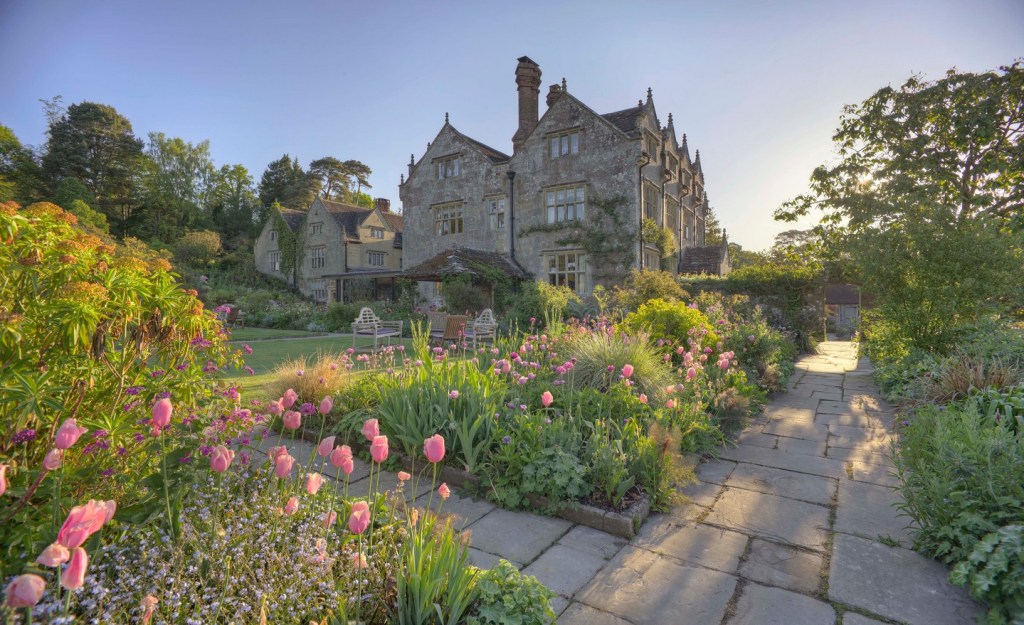
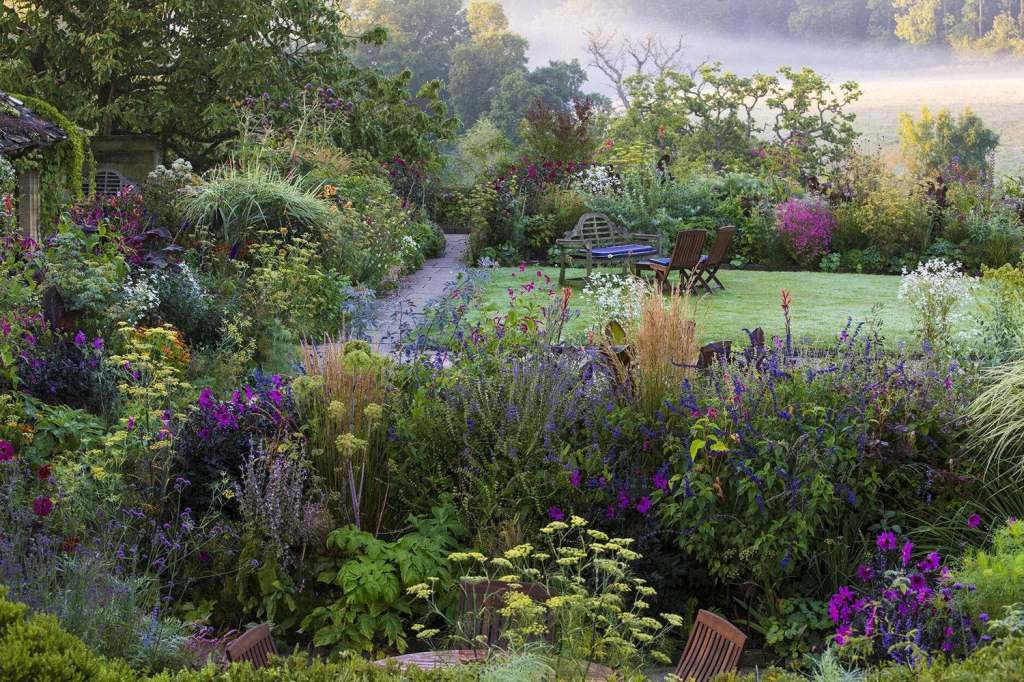
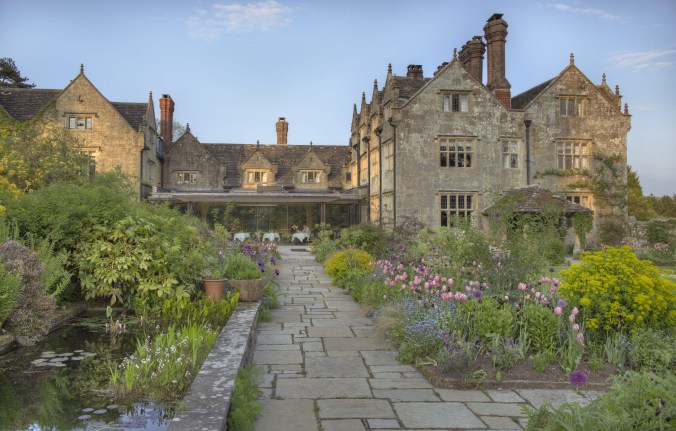
Though only briefly touched upon The Wild Garden movement from 1838-1935 sparked my interest as the naturalistic style represents a more true form of nature. Instead of gardens looking ornamental they became more loose and wild looking though not wild at all. William Robinson decreed that “a garden should encourage natural development and have respect for plant form, colour, growing habits and foliage rather than adhere strictly to a layout.” His concept of using permanent planting rather than bedding plants and his insistence on achieving an informal garden by mixing native and exotic plants, grass and a subtle use of colour all played an important role in heralding the change of gardening into what we know today.
Some of William Robinsons best work is shown in the images below. This garden can be visited at Gravetye Manor, an exclusive hotel in Sussex, England.
Video walkthrough of the site, first impressions: My initial thoughts towards the site without actually visiting myself is that the space is filled with opportunity. I think that the fernery as a starting point could be an interesting place to begin my design process. Working within a more loose and fluid space may allow me to create a more naturalistic inspired space where New Zealand culture is dominant. The gardens as a whole have been designed with a very European approach.
- Courtyard – An outdoor space bordered by interior space, symmetrical.
- Fernery – Green and brown dominant colours, more of a wild garden style than the rest of the gardens, creates a wilderness type of atmosphere, a showcase of more native New Zealand plants.
- Glass Houses – filled with vibrant colour, tropical/exotic atmosphere, height, colour, form and texture variation, high glass ceilings allowing plenty of natural light.
Co-present objects – Statues, seating, signage.
Activity observed – walking, sitting, talking, reading, viewing, touching.
The goals/feeling expressed of actors – visual satisfaction, knowledge, calmed, alien.
Areas of Interest:
Over the last week I have thoroughly researched the history of the Auckland Domain Winter Gardens and many of its design influences. This process has allowed me to identify a few areas of interest that will move this project forwards. Firstly I have become very aware of the lack of indigenous traits the Wintergardens uphold. The Fernery is a place of New Zealand dominance yet I feel like elements of our culture have the opportunity to be weaved throughout the foreign architecture design style. As mentioned in the paper guide the gardens are both beautiful and historically significant yet entangled with problematic ideas and imaginations. There is evidence of contrasting ideas towards nature throughout my research, however, these differences are not seen in how we perceive the gardens today. It could be both interesting and challenging to see if two cultures different styles and values could work together in harmony.
Life support systems for biodiversity is also an area of interest. Change through growth, time and other processes is an interesting concept. How could more than just the variety of plants within the space be viewed as diverse? What else could change over time? Throughout the day, seasons or years?
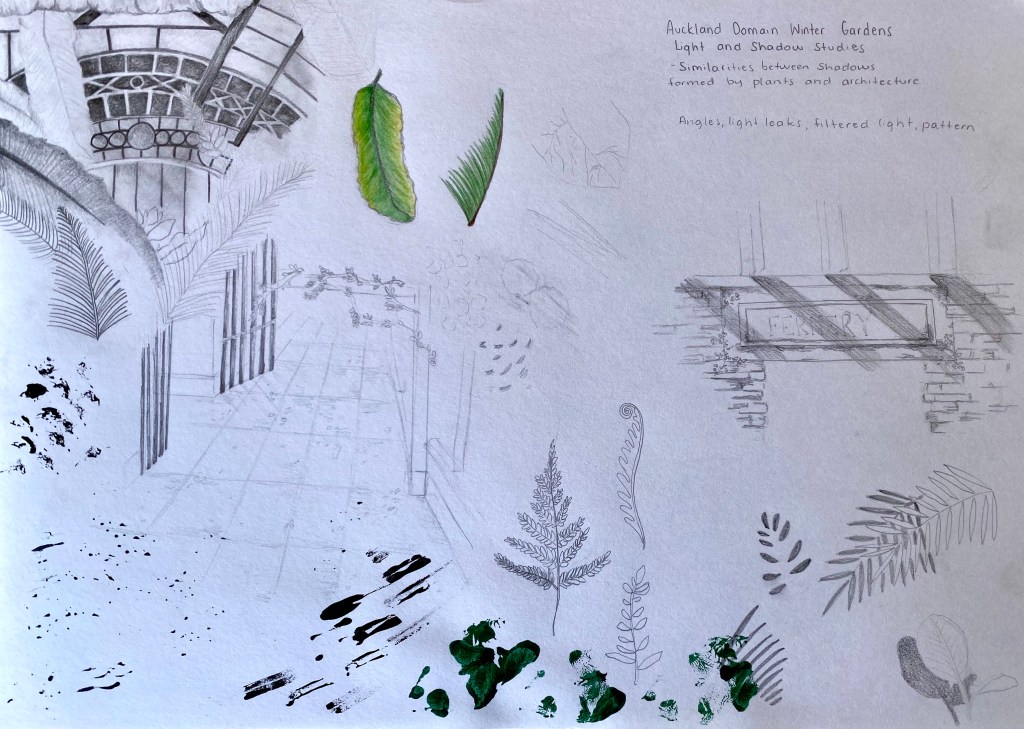
The relationship between light and shadow within the Wintergarden landscape is also very compelling. I noticed the similarities of shadow patterns formed by a variety of plants and the shapes of the architecture. The cause of this within our given site is the distinct use of glass as a material. Shadows are a guest, dependant upon the sunlight, a passing memento to become nothing at once night falls. Visitors of the wintergardens do just the same, come and go in the daylight. How can I enhance the experience for the guest? How could light and shadow tell a story about the site history?
Keywords:
- Harmony – A controllable unity between cultures, plants, environments.
- Change – Over time, seasons, years. Plants, materials, layouts.
- Naturalistic – Encourage natural development, respect for plant form, colour and growing habits (within the given space).
- Archive/relic – history, records, information.
- Chiaroscuro – contrasting areas of light and dark. contrast of culture.
Week two: Site Visit
Visual Note Taking:
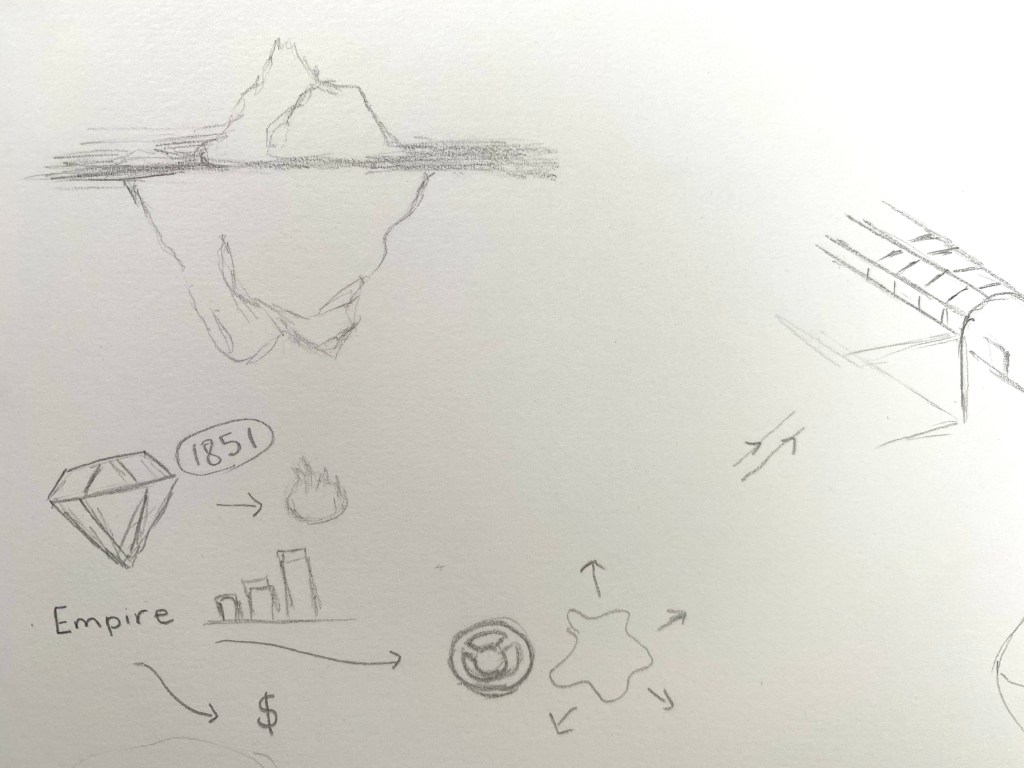
During Carls context talk he challenged the class to note take through only sketches. This meant we finished the talk with a series of visuals that we can piece together to recall information. Below are my quick sketches that explore the history of the Auckland Domain Winter Gardens from a cultural context.
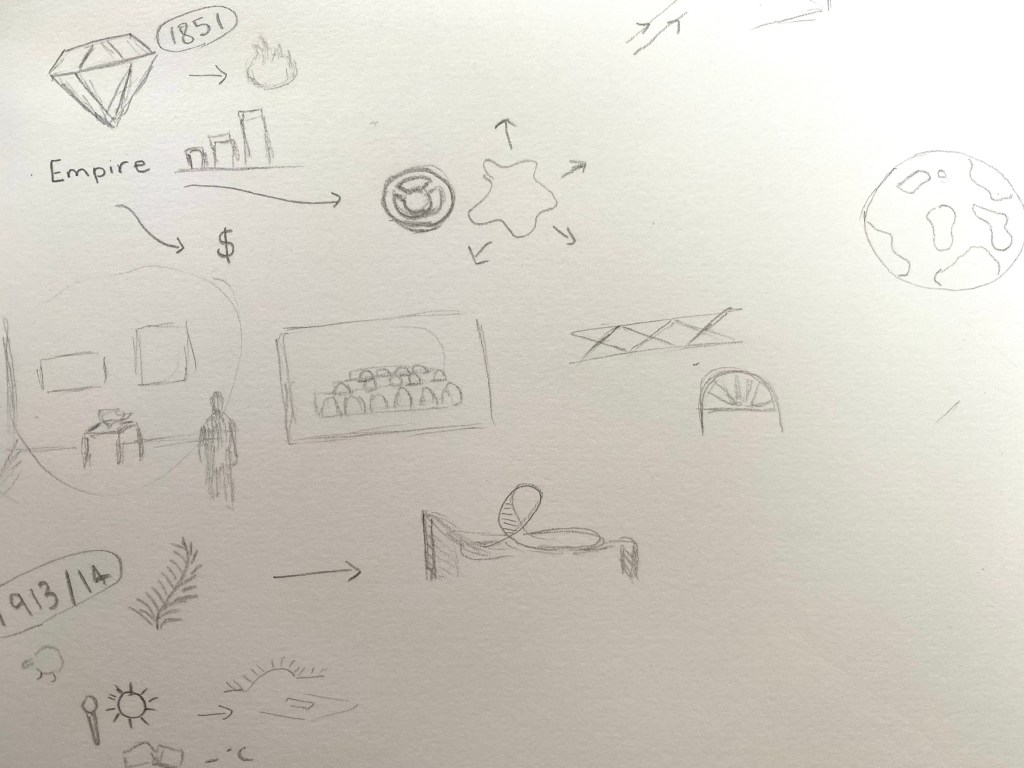
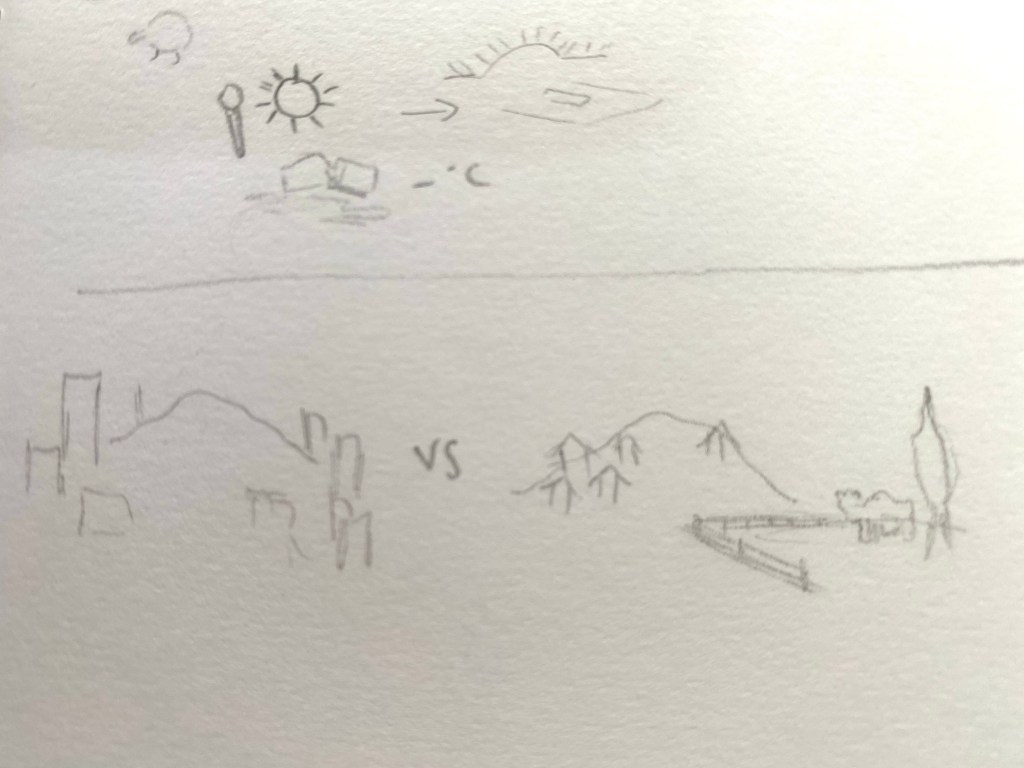
Site Visit:
The site visit to the Wintergardens was extremely helpful with moving my project forwards. This was the first time I had ever visited the gardens so it was nice to understand the space and its layout more. The location we observed was the interior of the Wintergardens as well as the landscape surrounding the site. This helped bring the site into context as it is bordered by many historical landmarks. We viewed the site for both its natural elements and the way people interacted with the space. A lot of the area was used for physical activity such as running and walking as people passed by us on their daily routine.
During our site visit I spent time photographing areas of interest and elements of the space that inspired me. Below are a collection of images that relate to my initial ideas as well as unique characteristics from the site I may draw from moving forwards.
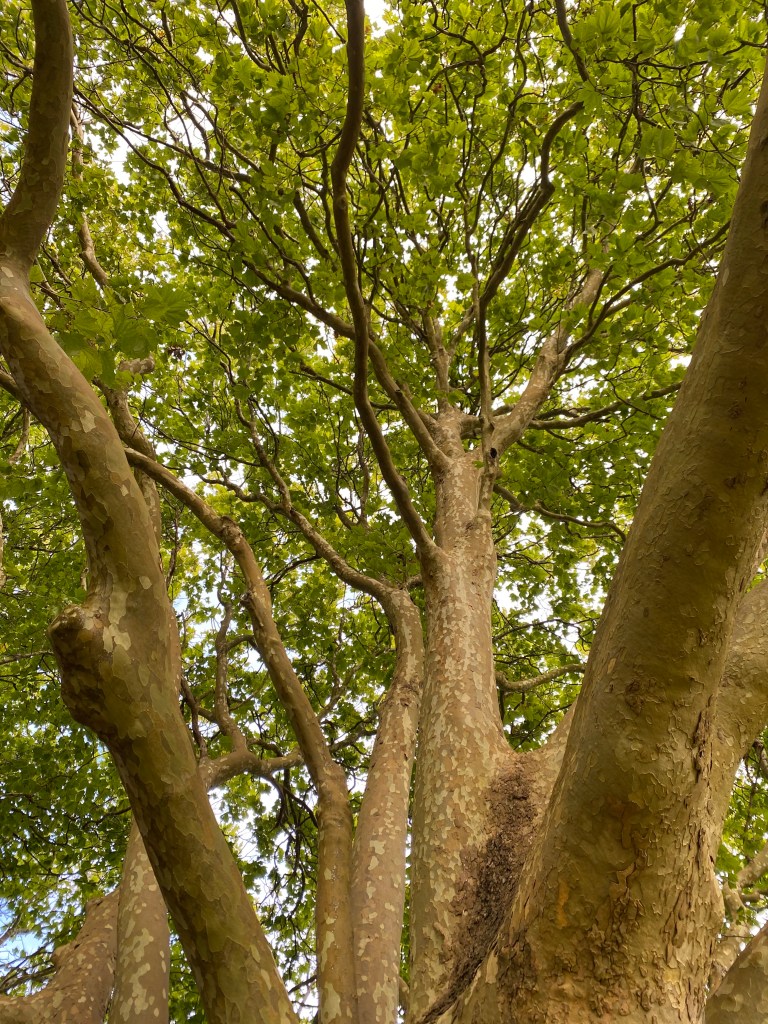
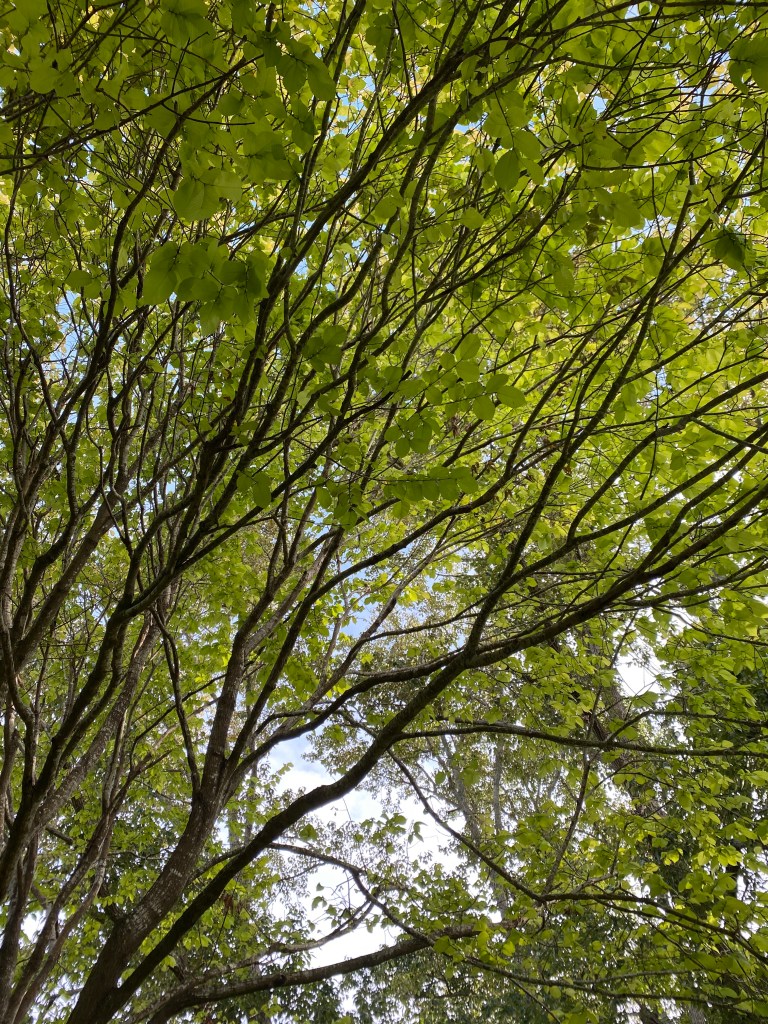
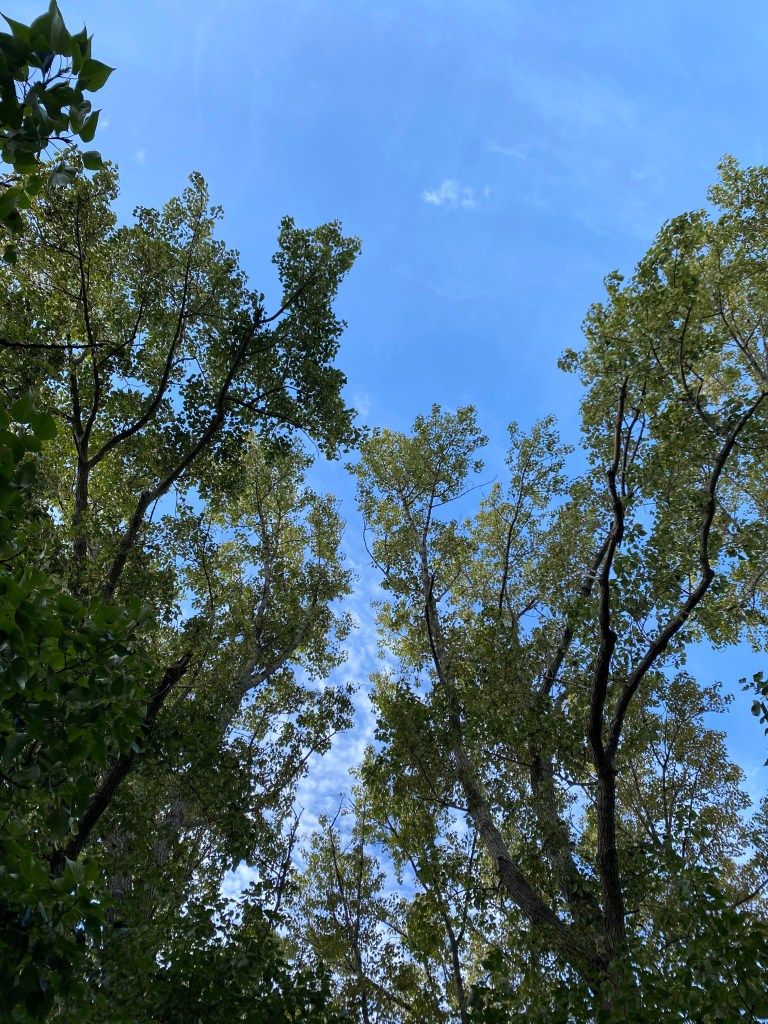
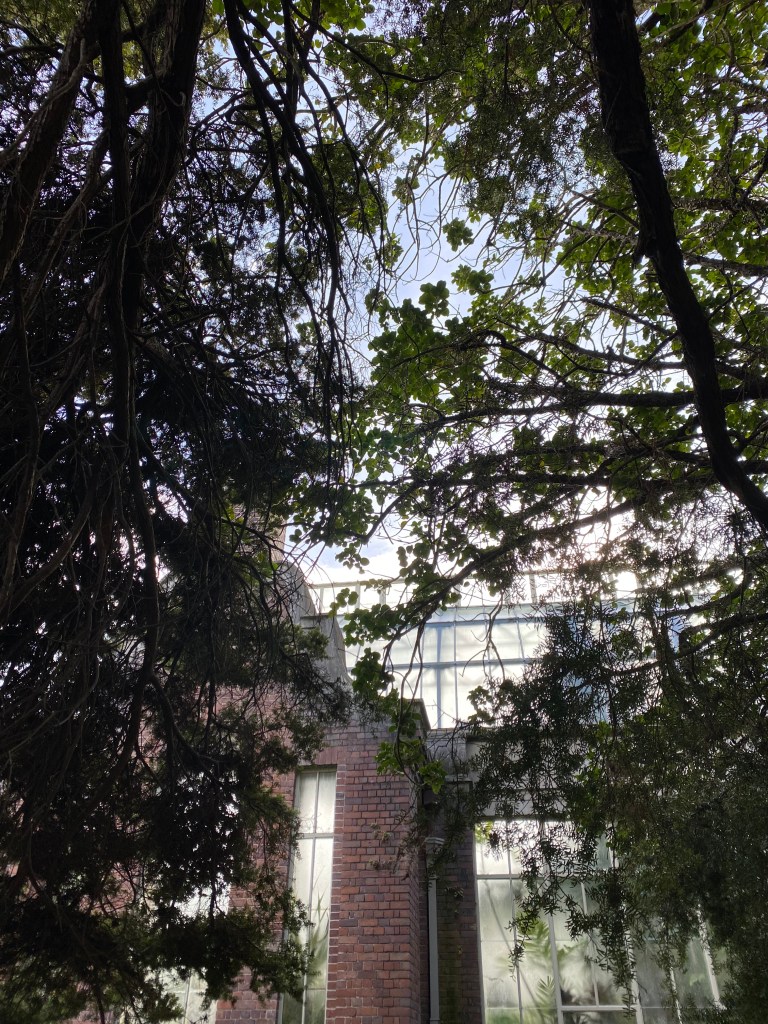
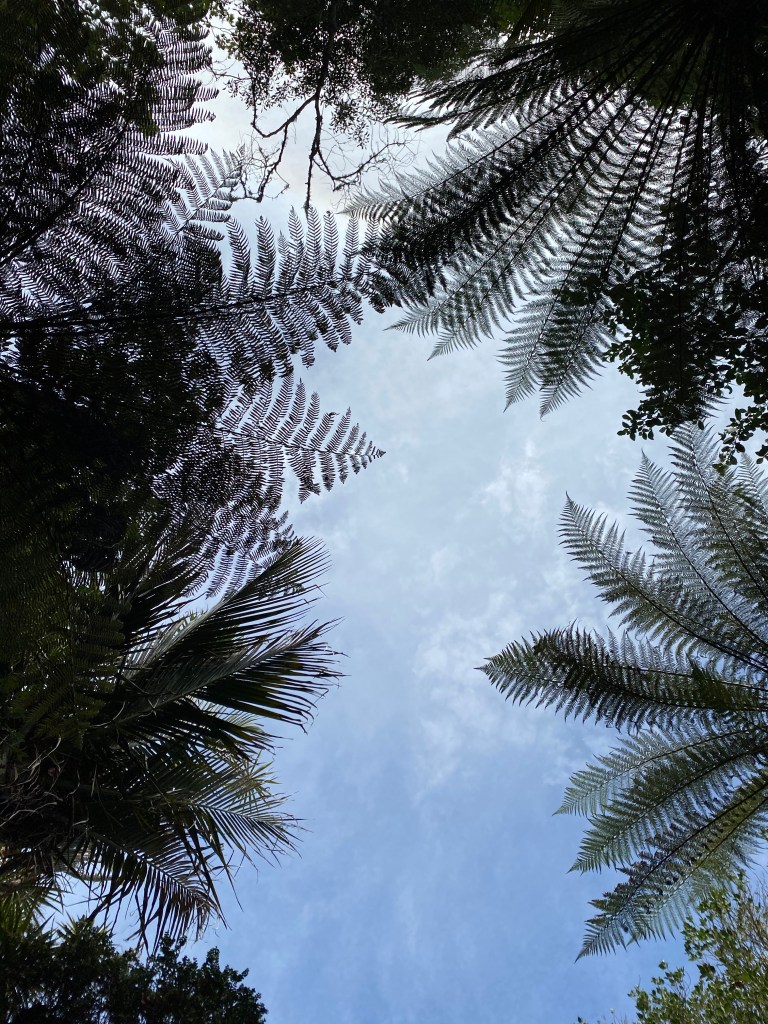
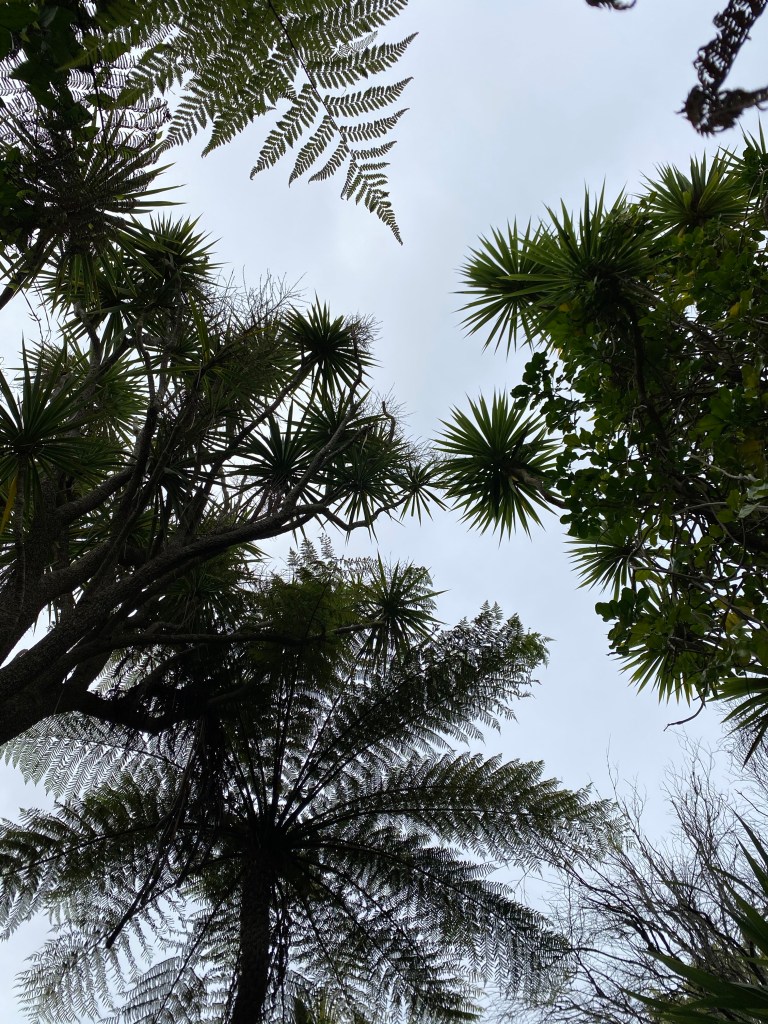
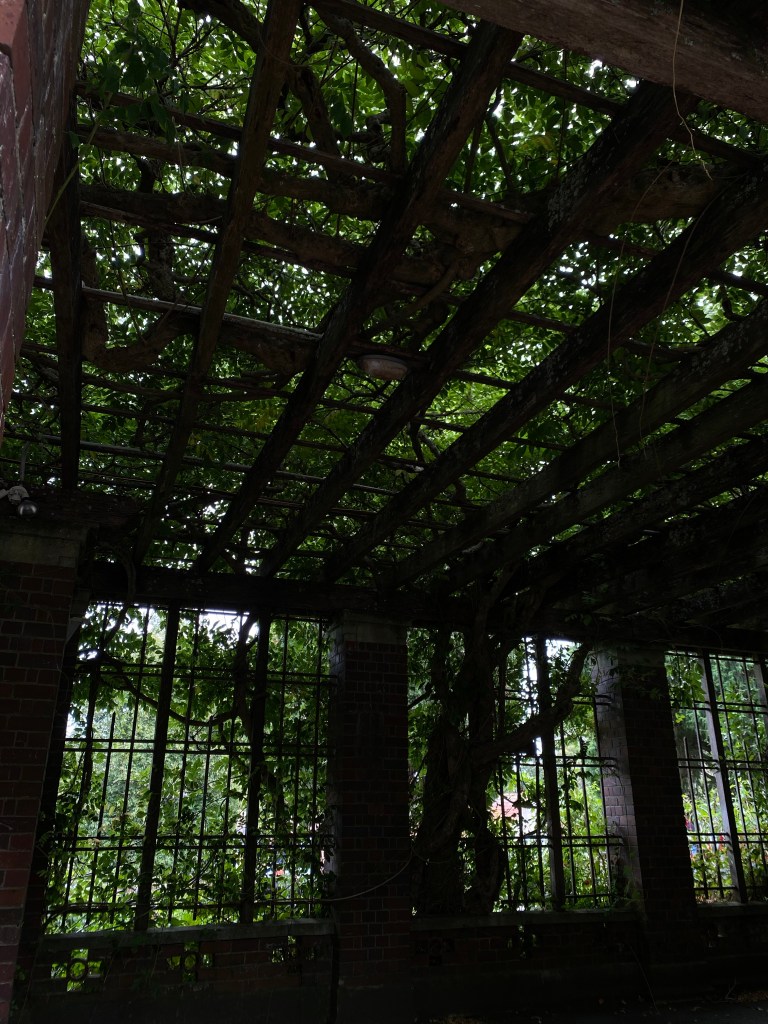

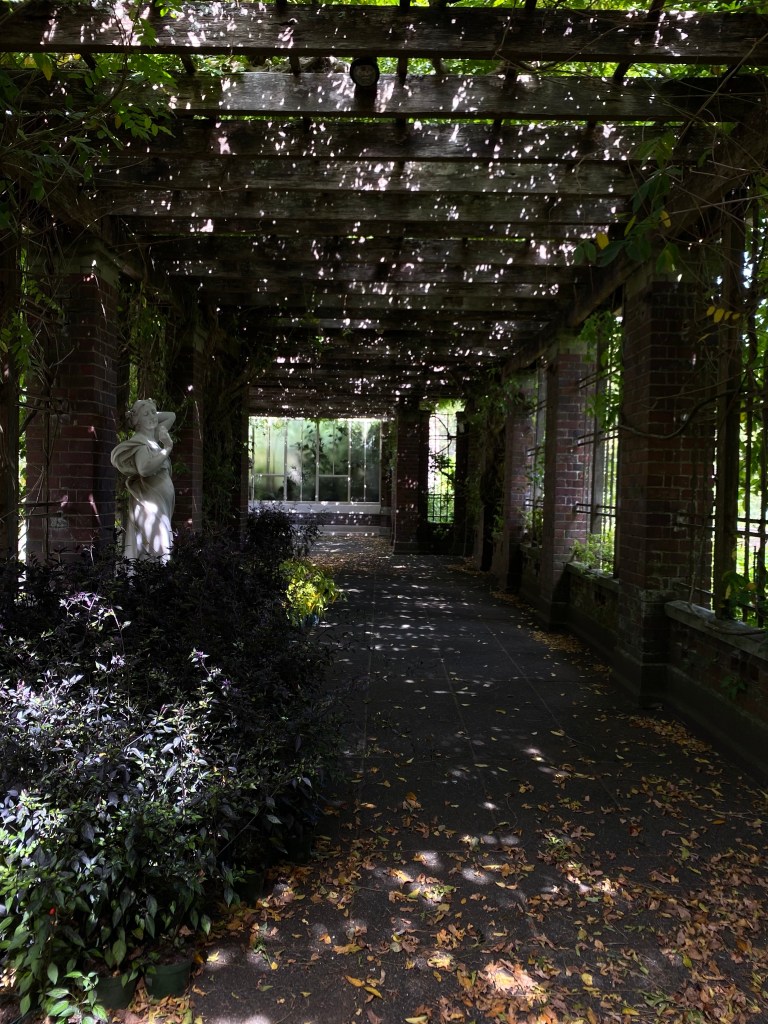
The relationship between plant and light was a concept that I picked up on visually in all areas of the site visit. The detail of shadow and shape creates a sense of delicacy throughout. Soft filtered light trickles through layers of foliage leaving traces of light scattered along surfaces that change over time. This makes me wonder how I could enhance this beauty in a way that tells a story. Could I create this same effect at night time for a one off exhibition? What other shapes or perhaps words could be crafted through layering and shadow play?
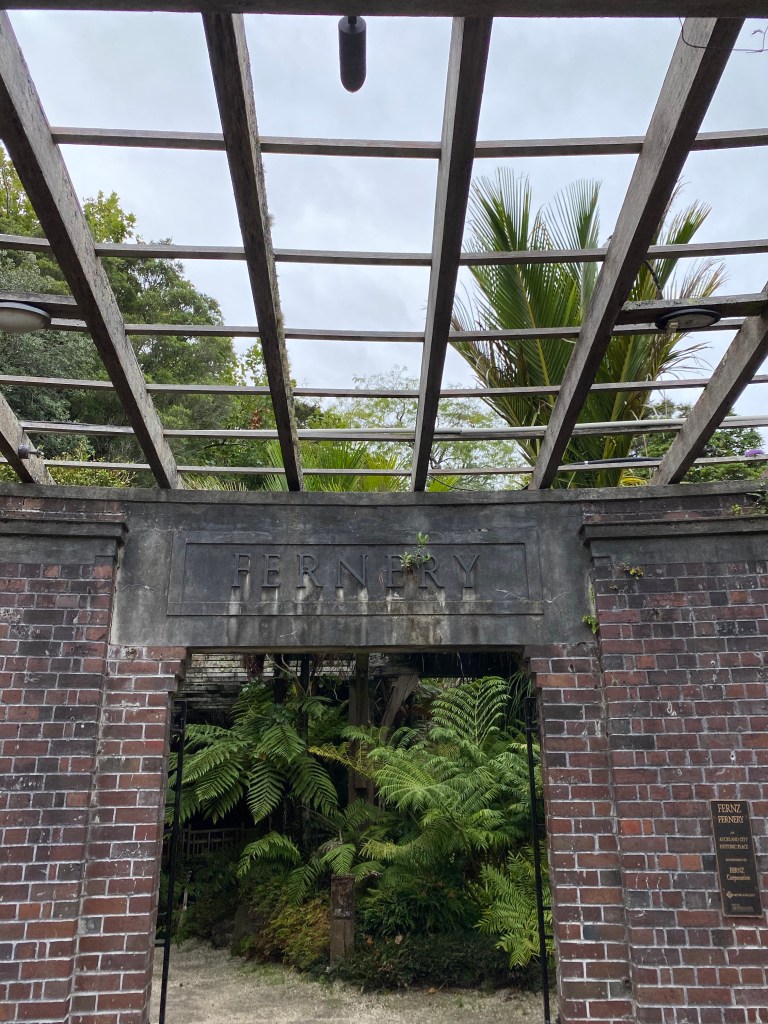
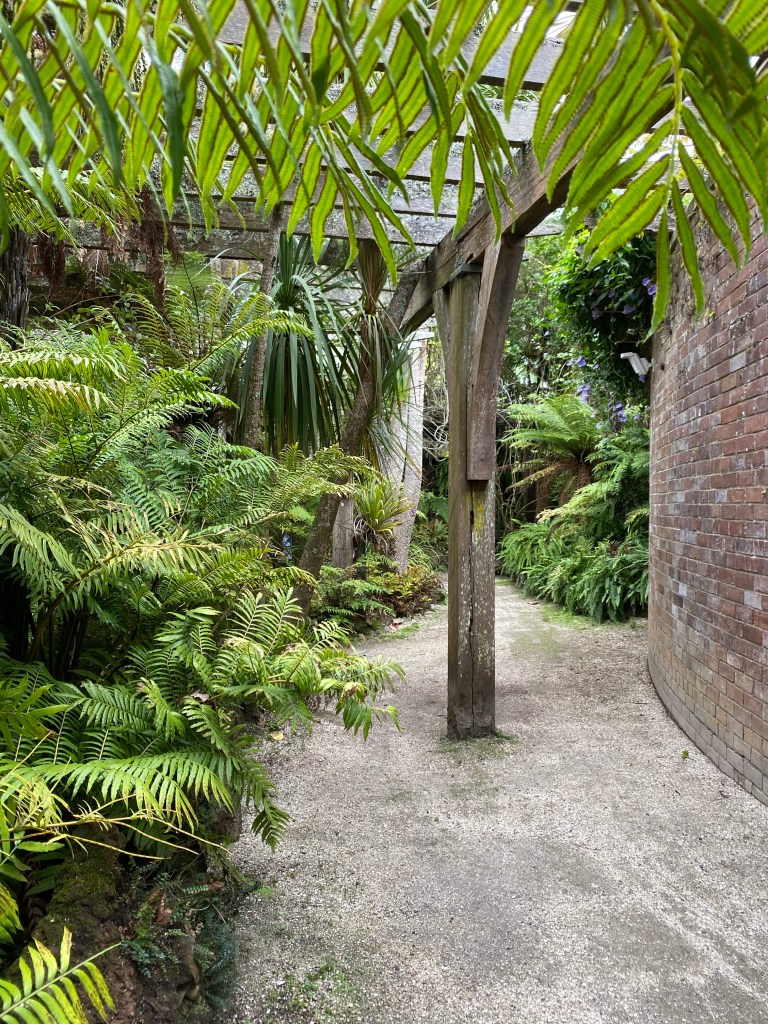
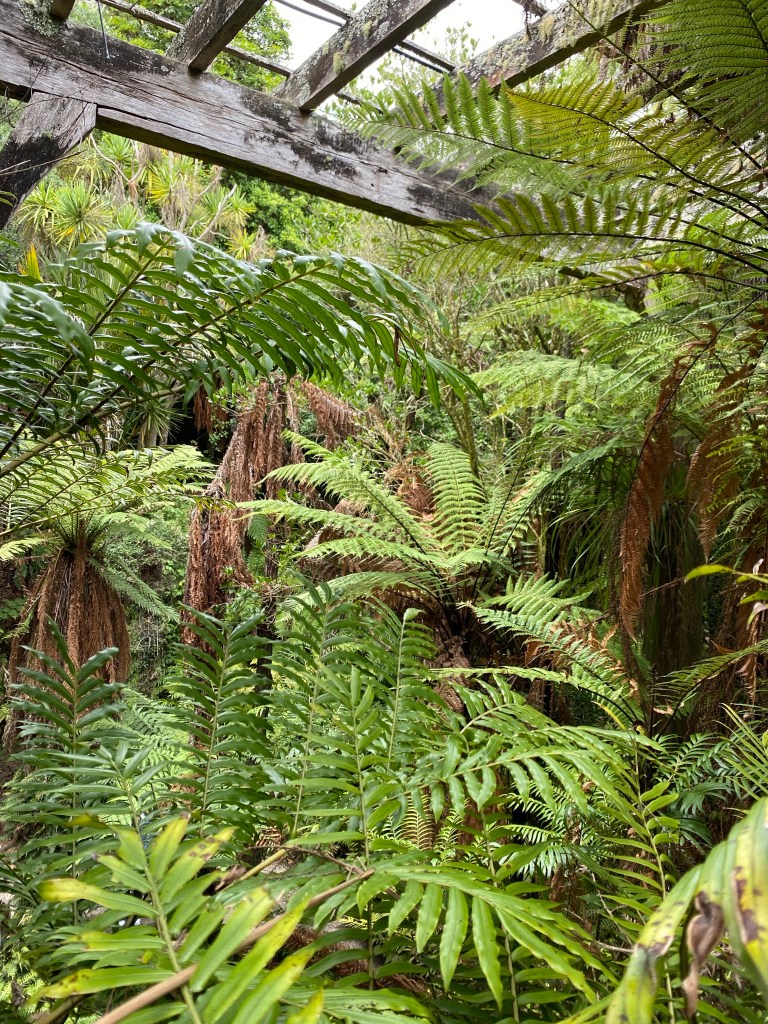
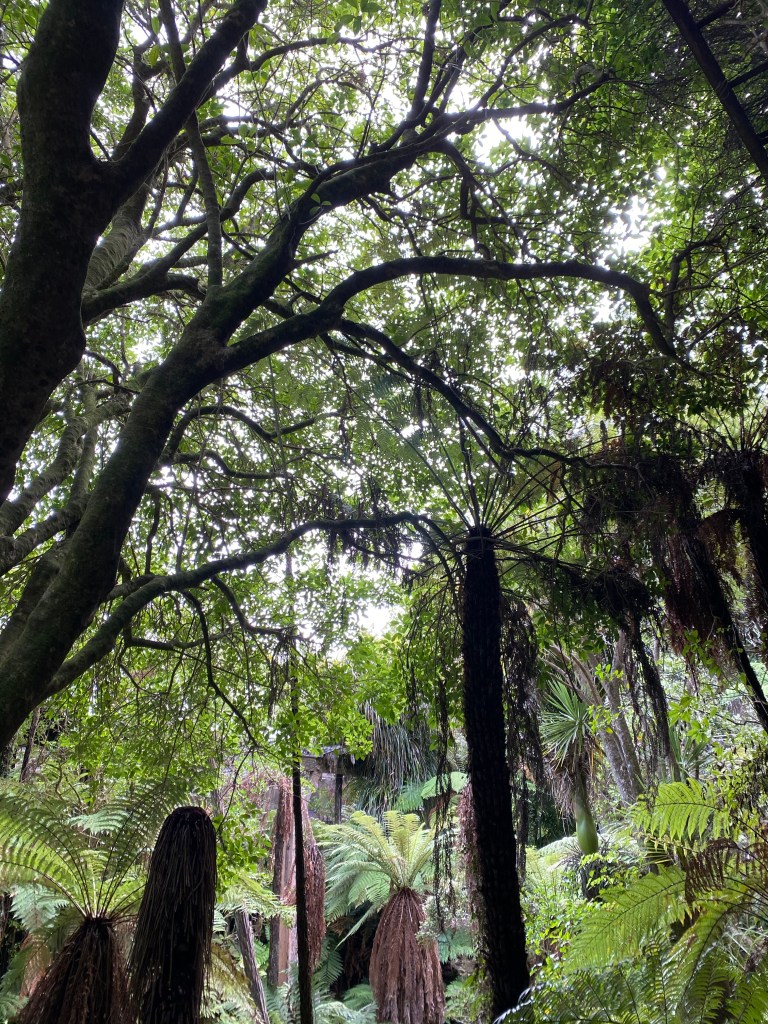
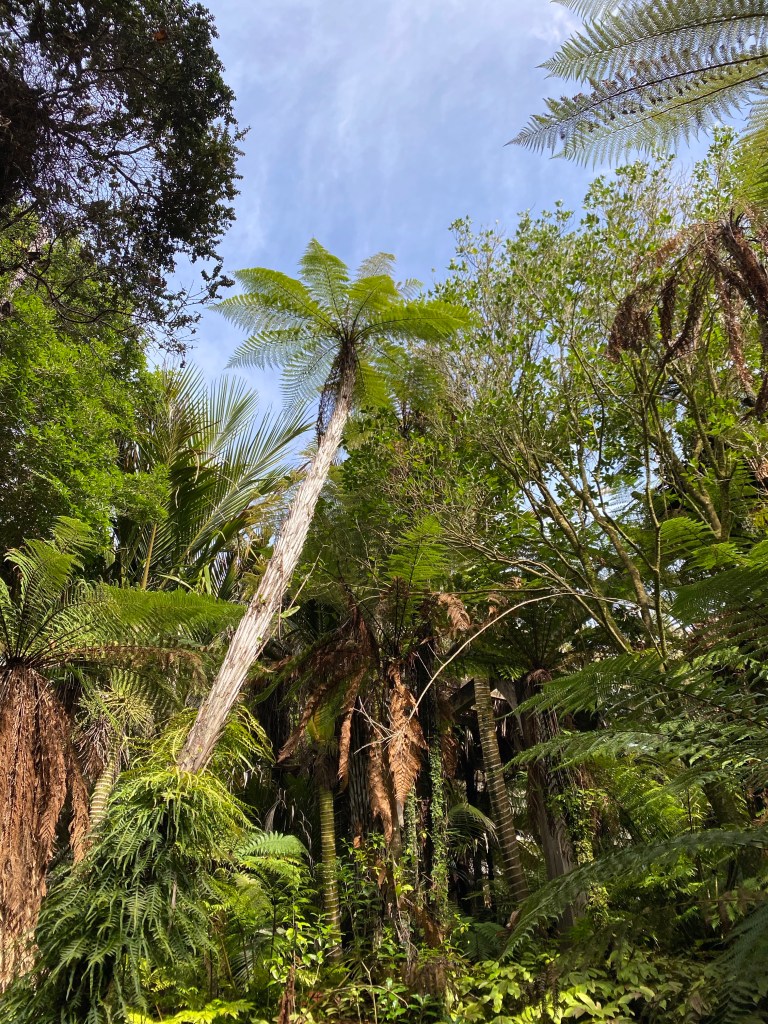
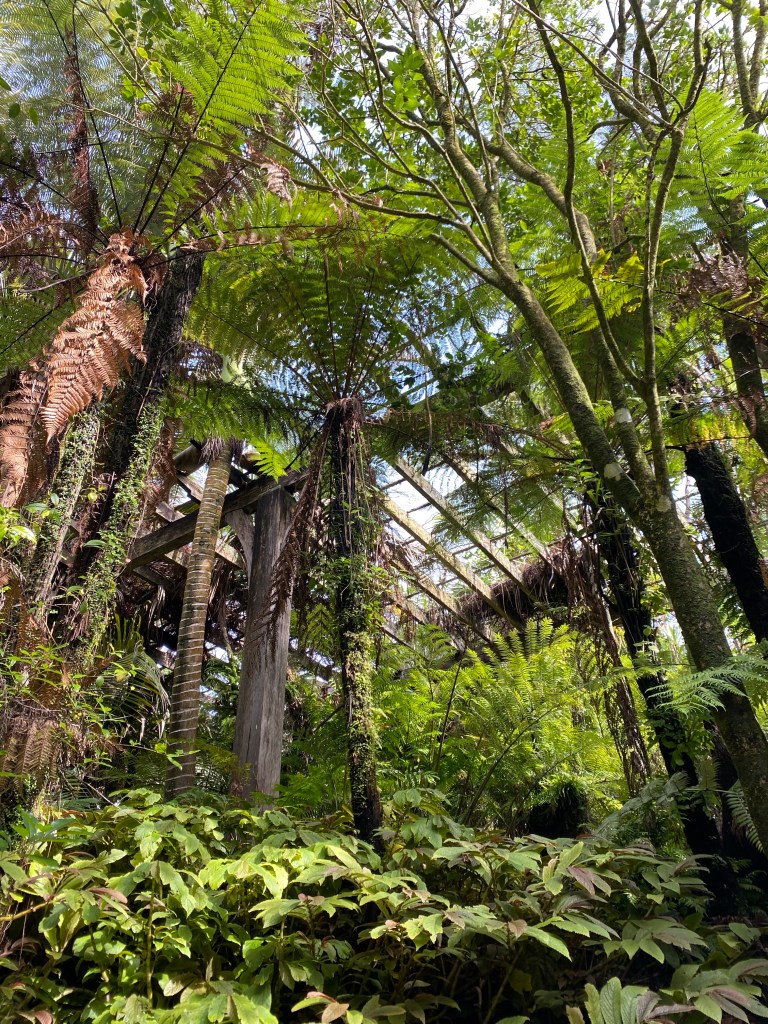
I was particularly drawn to the Fernery as it made feel as if I was some place far from the busy city. The dense foliage of varying heights created a captivating environment that felt bigger than it really was. This part of the Wintergardens focuses more on native New Zealand flora and fauna, something that is almost forgotten about throughout the rest of the site. The Fernery itself grows among an old abandoned quarry and features a wooden pergola overhead. While walking around the Fernery I began to take notice of the smaller details. Where mosses spread along surfaces in a soft yet intrusive way, taking over the space. How plants spill from their pathed boarders merging with the walkway. This wild growth is something I feel the rest of the gardens lack.
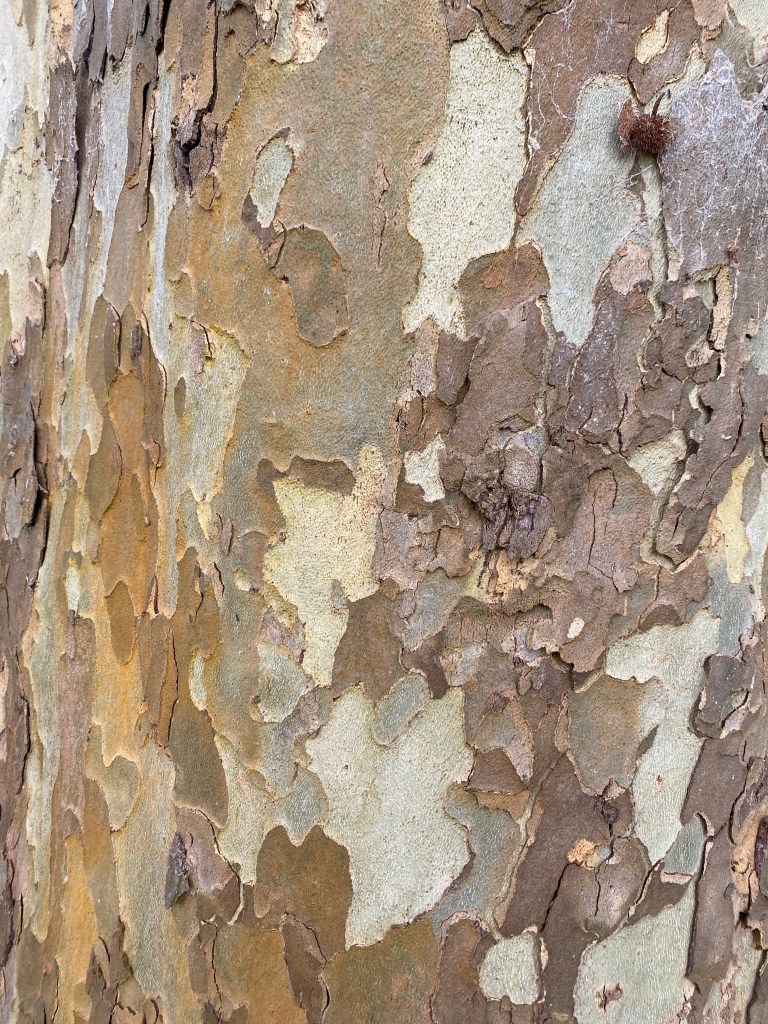
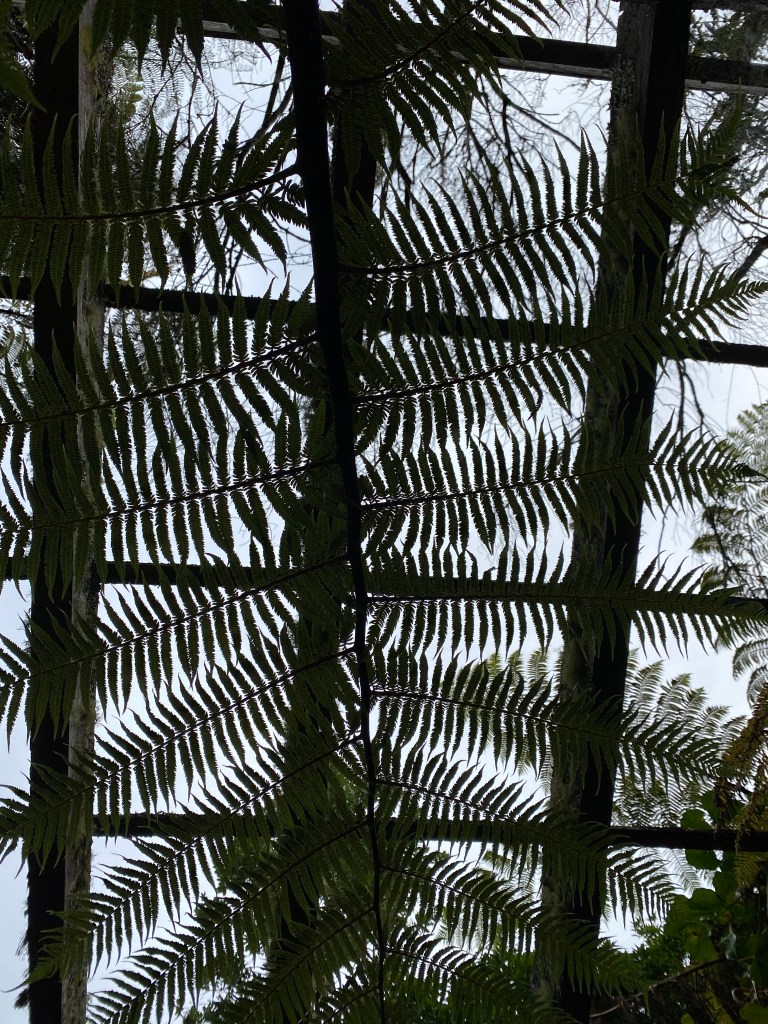
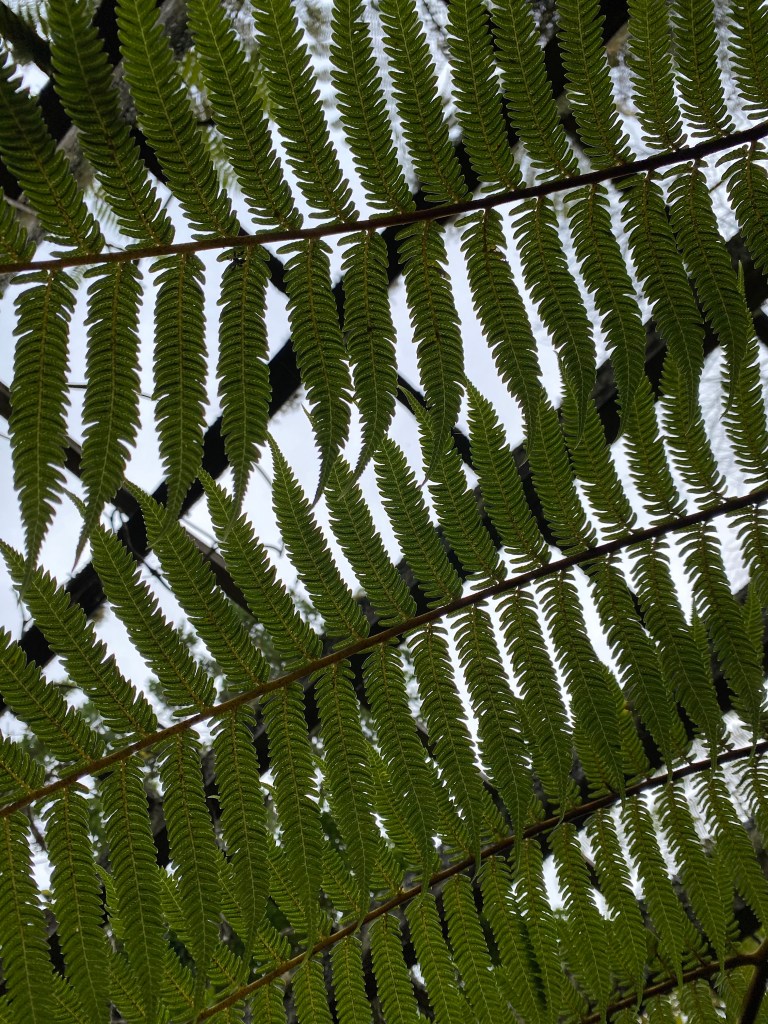
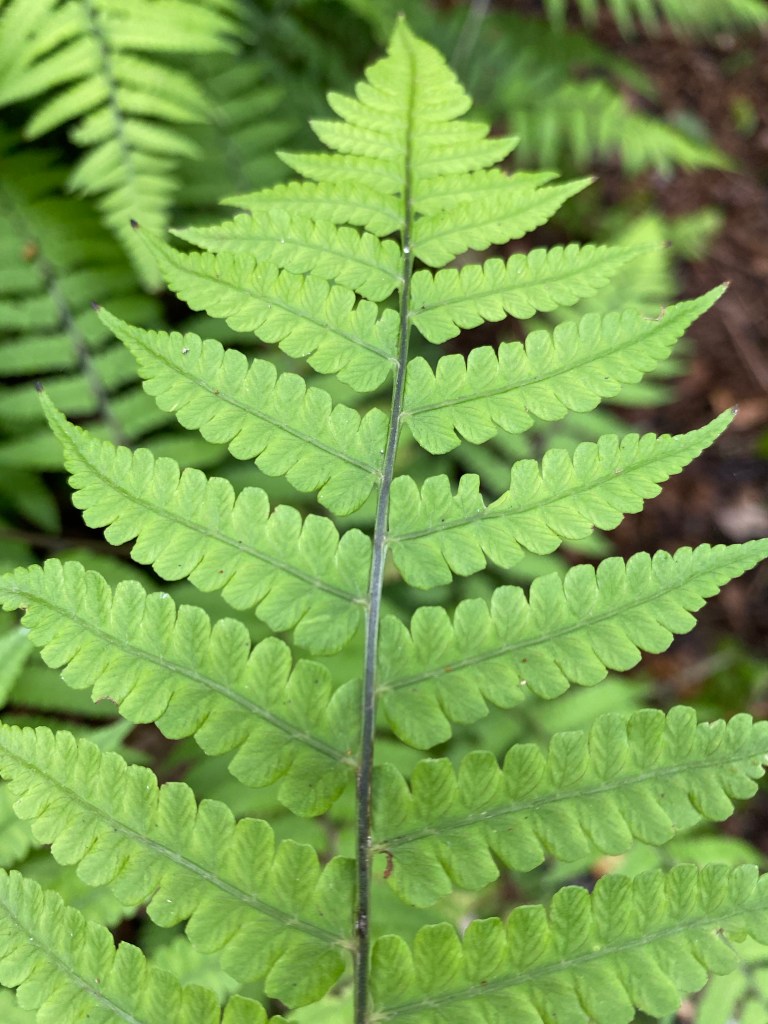
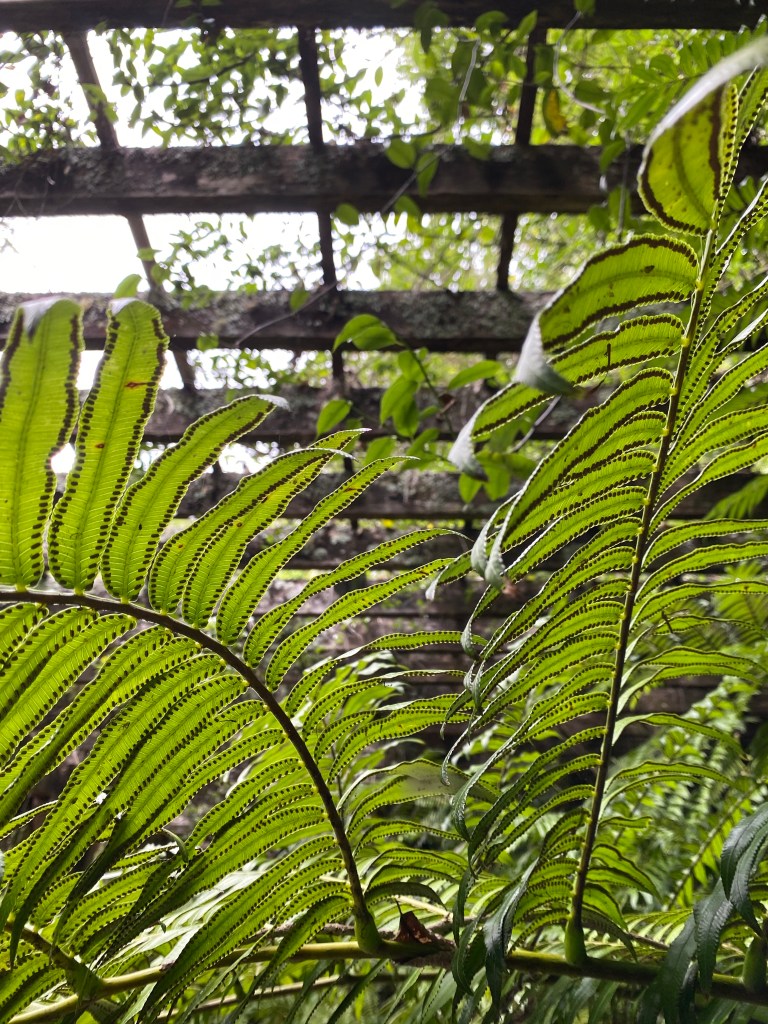
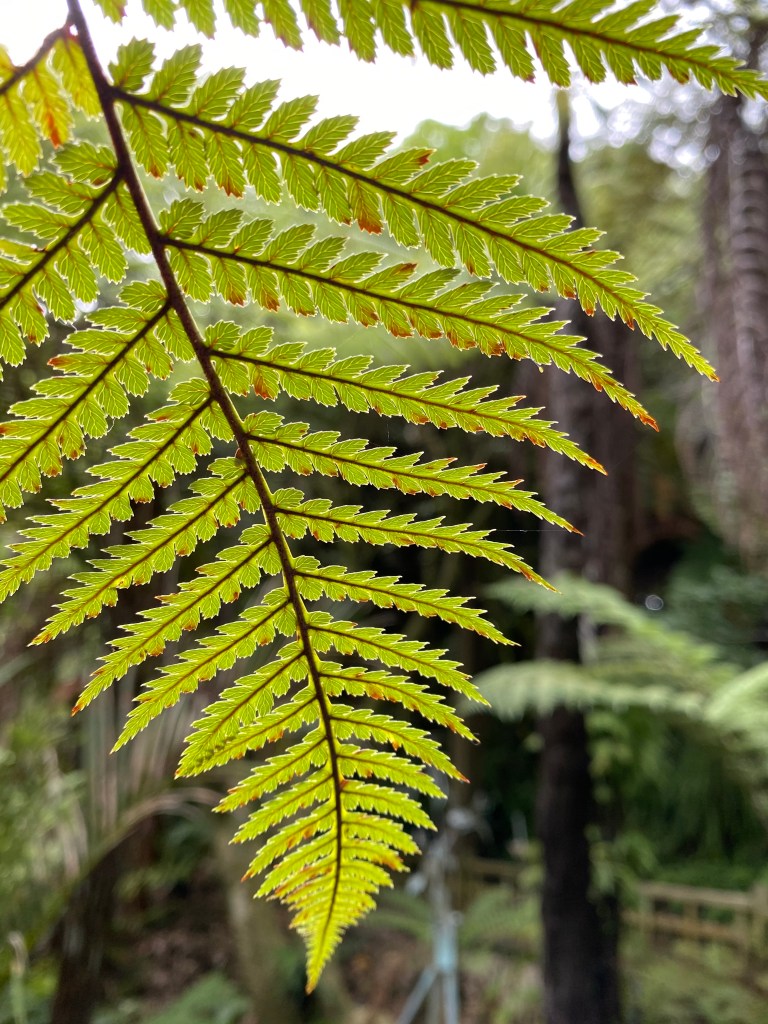
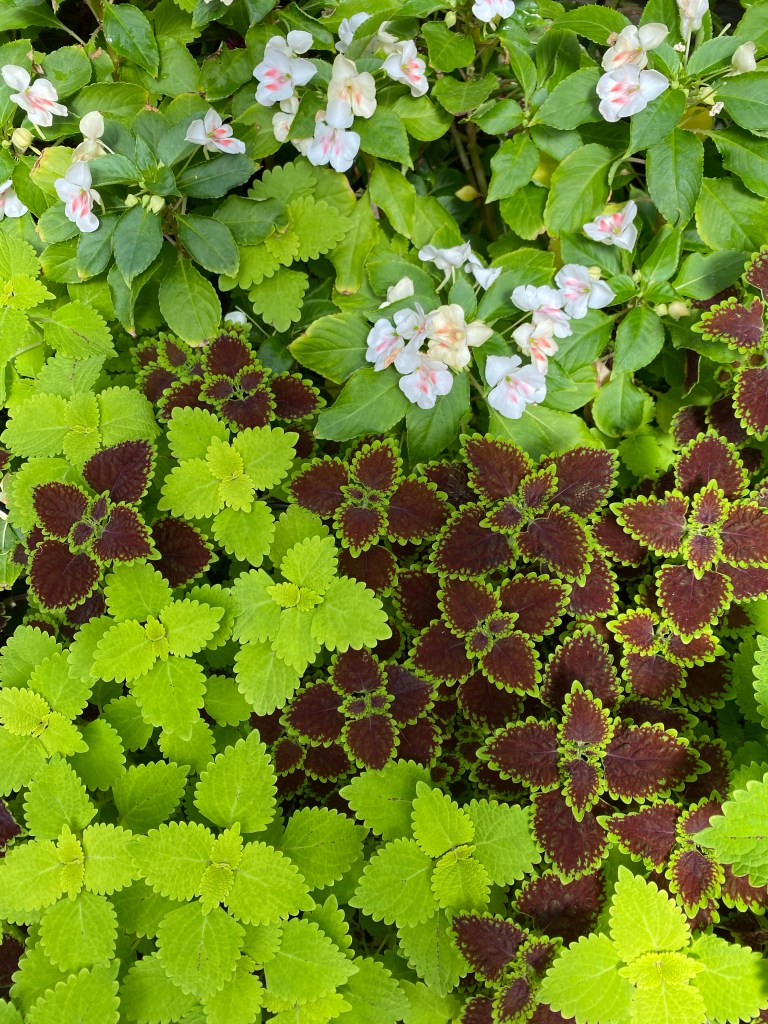


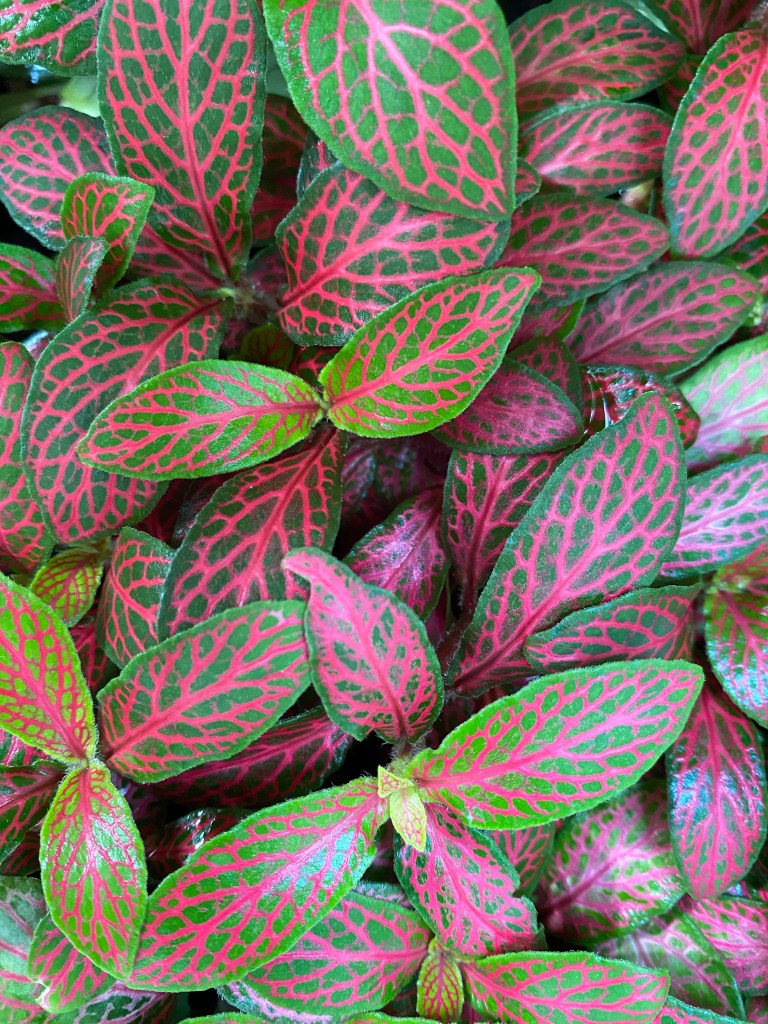
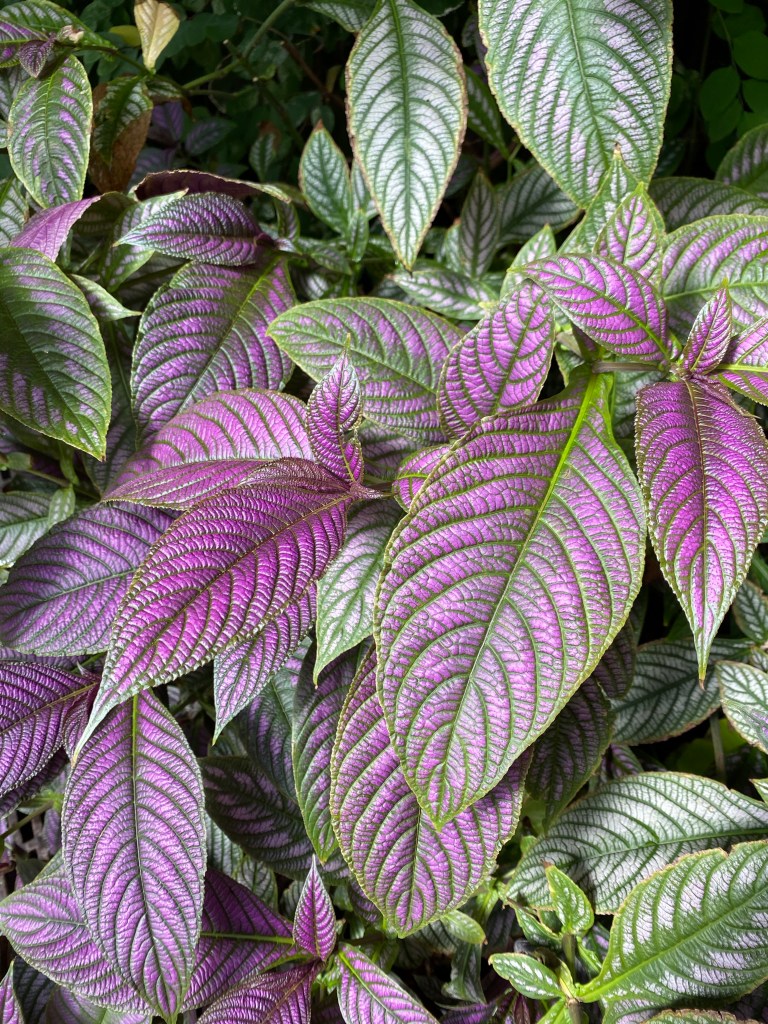
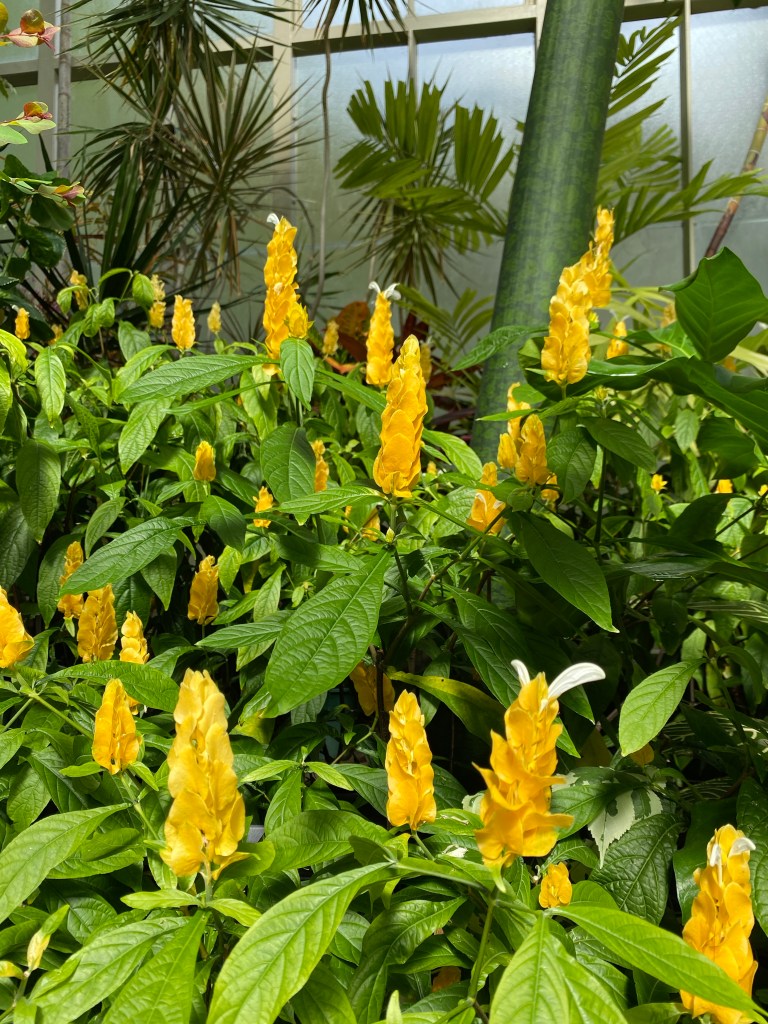
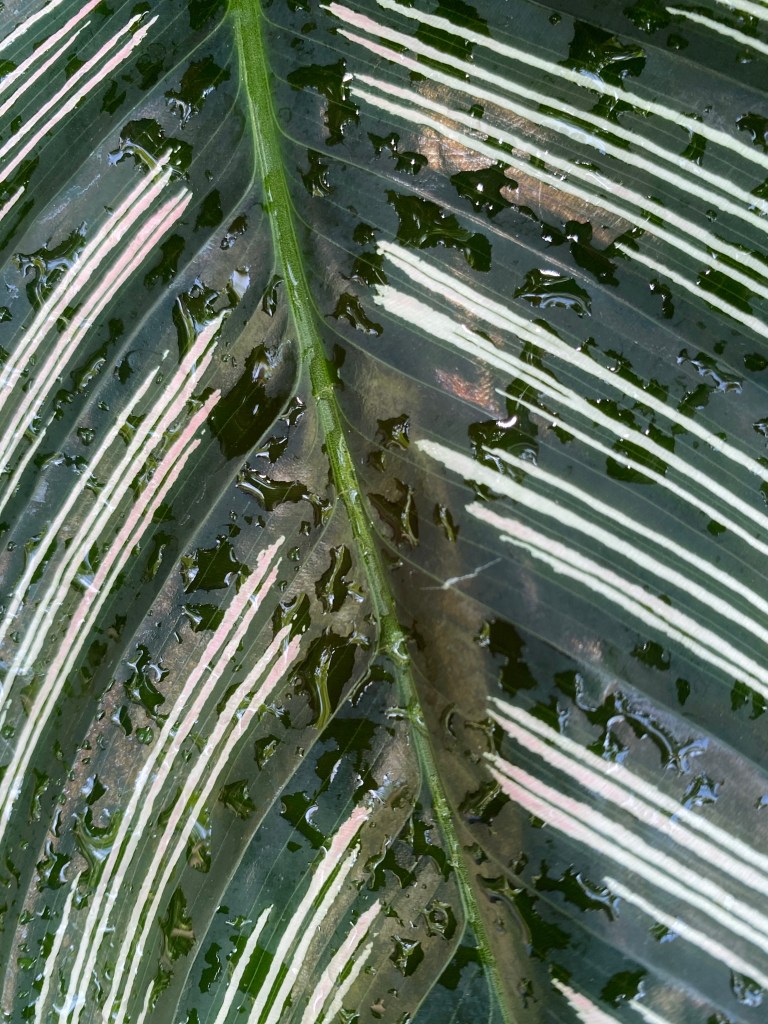

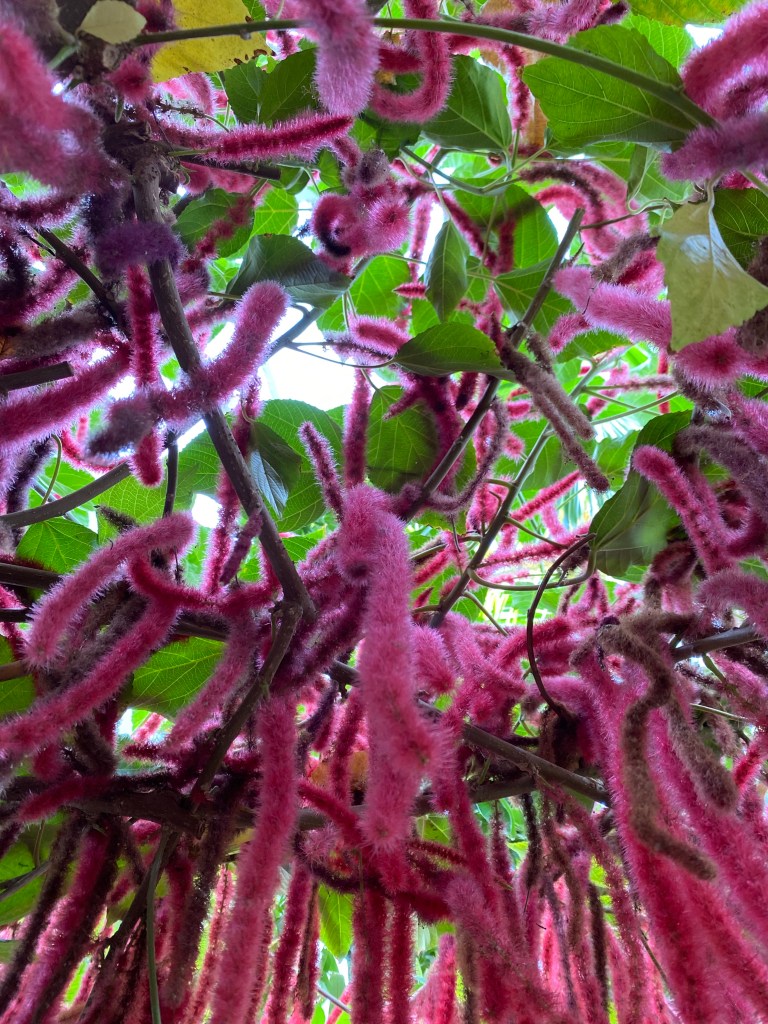
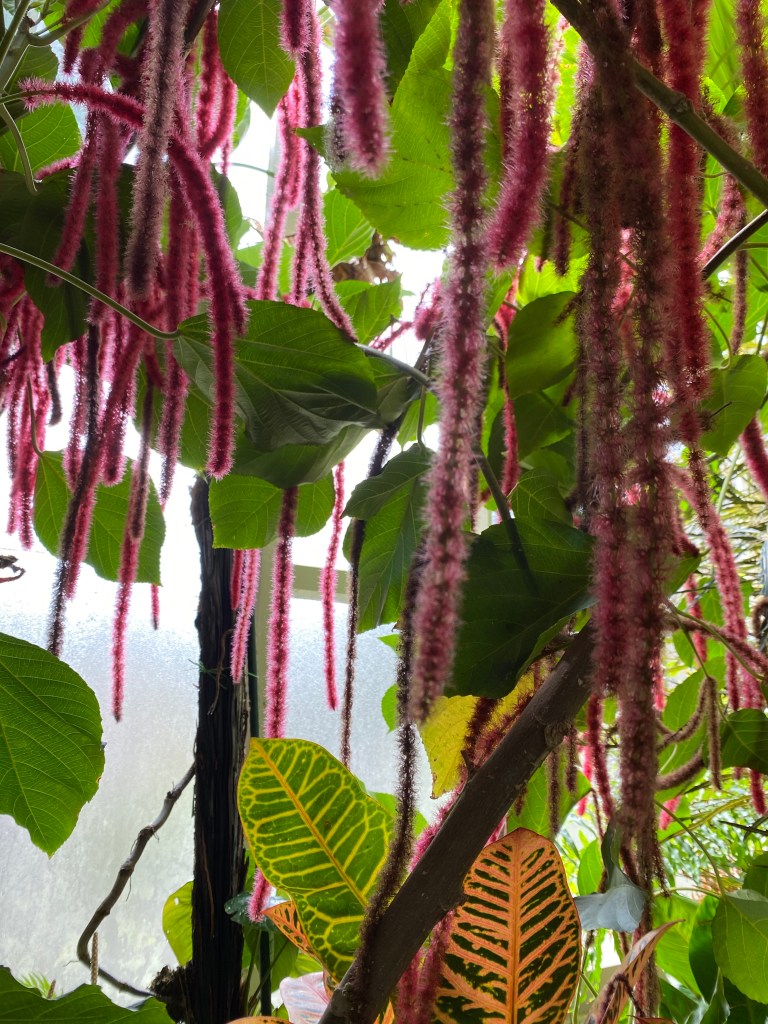
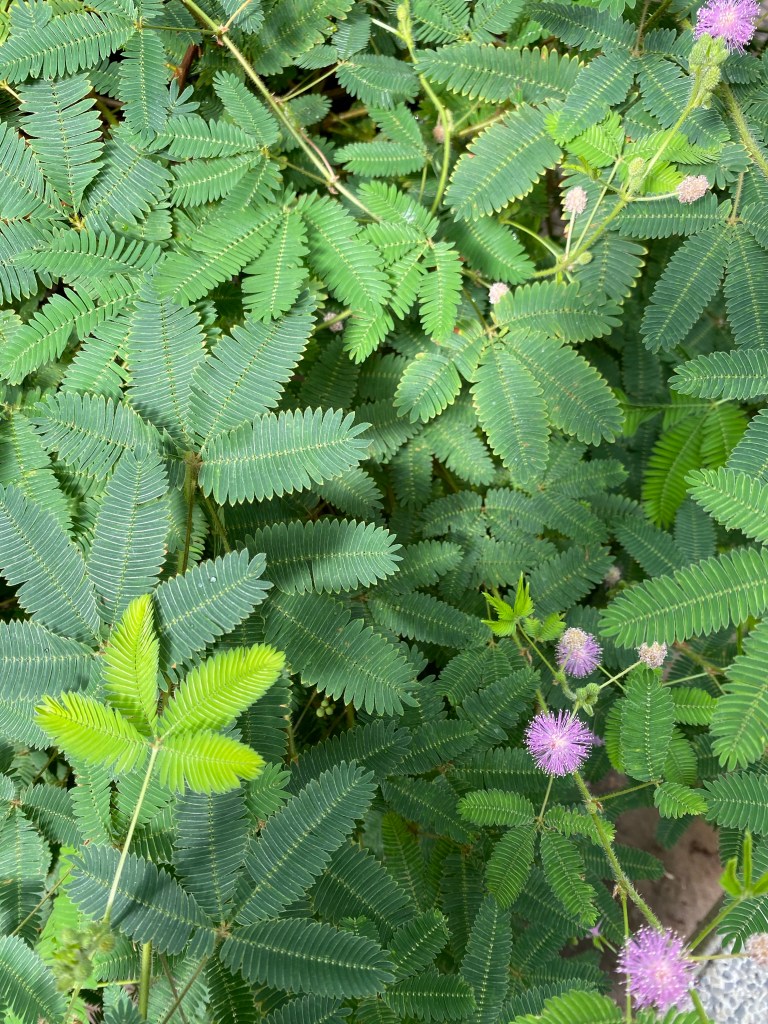

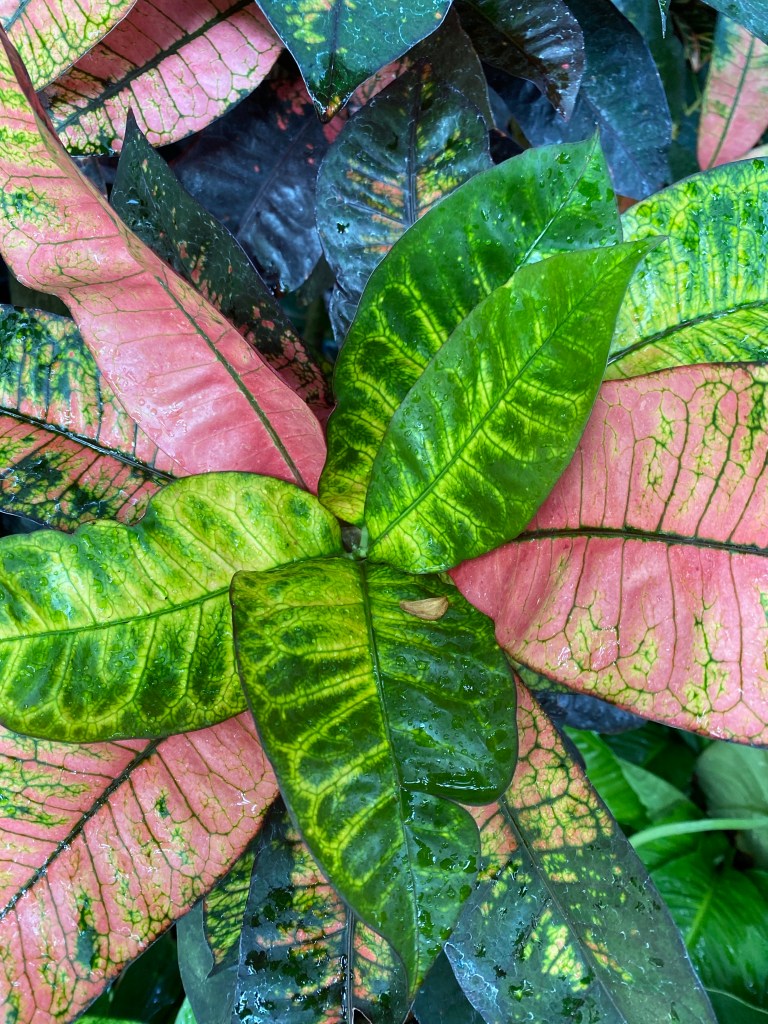

I took notice of the finer details both around the exterior and interior of the gardens and photographed my favourite patterns. Exotic leaves and flowers overlap creating layers of colour and shape that drawn the eye in. Through careful planning, contrasting size and textures work together in harmony. I appreciate the way a variety of plants from such different origins can grow and thrive close together under the same conditions. How could this concept of harmony impact my design? If different plants can work together how could different cultures and styles be combined to acknowledge the significance of both diverse histories.
Creating Imagery:
After our first site visit I began creating visuals inspired by areas and features of the Wintergardens that I think I will move my designs forwards and also help me start thinking about my brief.
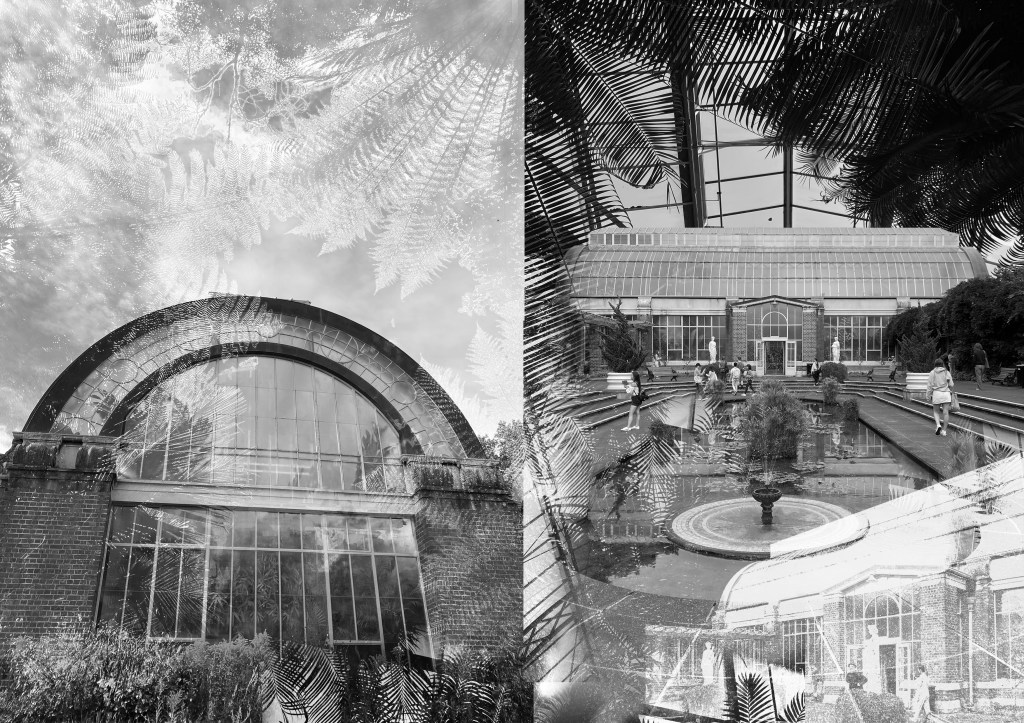
The first image I made was a collage I named ‘Uncovering’. As I mentioned above I found the way that light filtered through the foliage motivating and want to use this detail as a design influence. My original filtered images all show leaves with the sky behind but I think it could be interesting to somehow view the architecture of the site through the same perspective. As you move closer to the plants you begin to reveal the layout of the site. What could be exposed, displayed or unveiled as a visitor moves throughout?
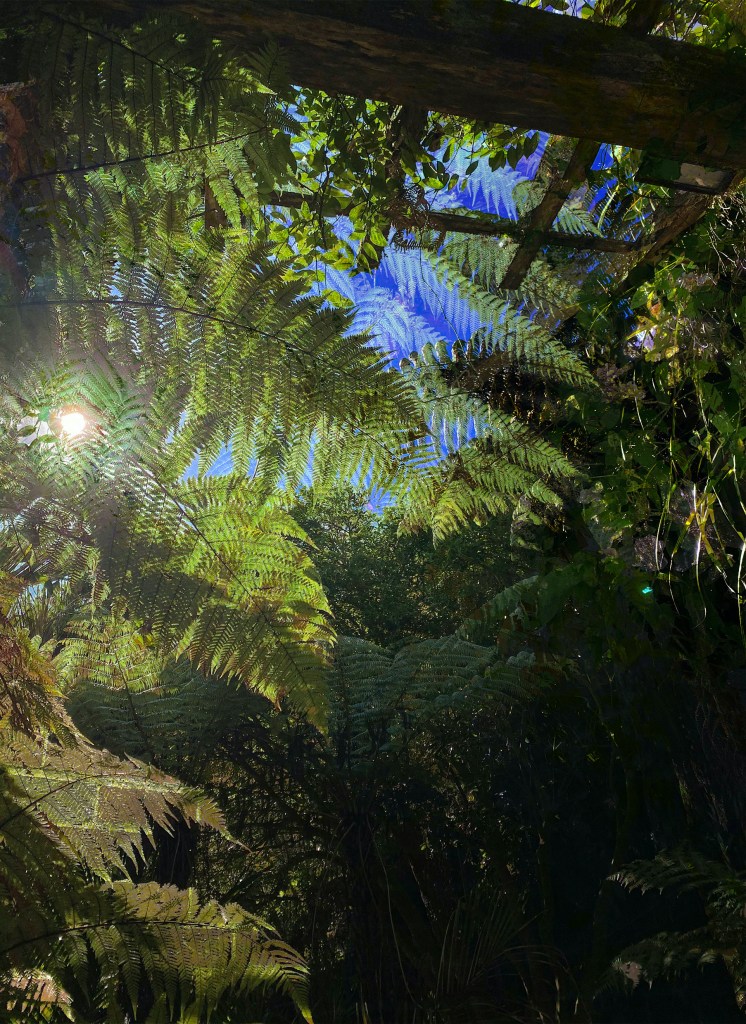
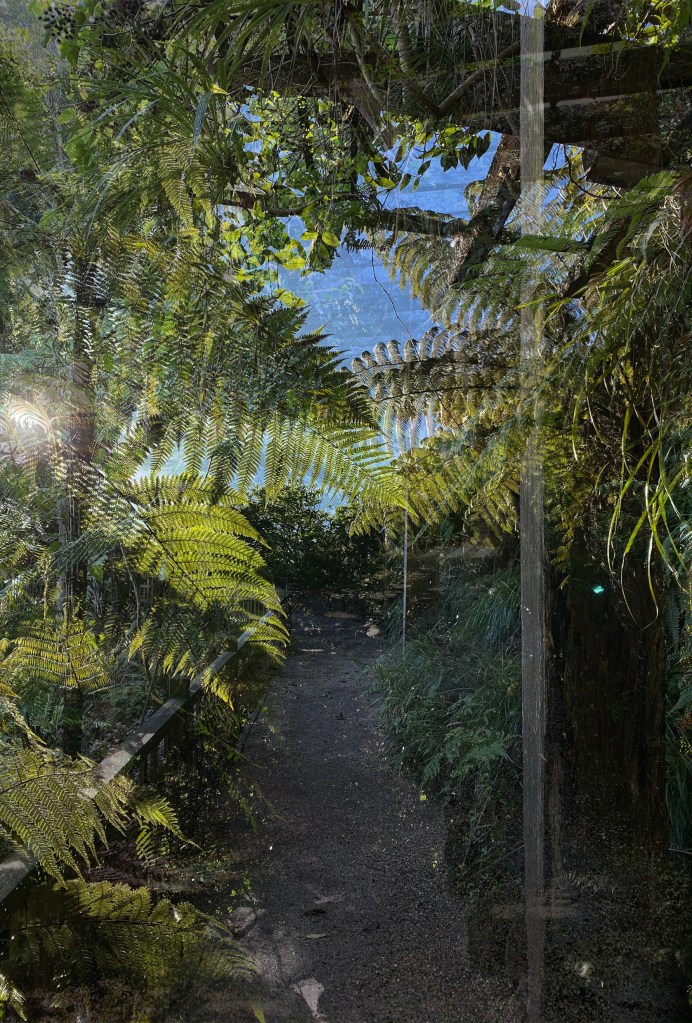
I then created a two image series named ‘Encompassed’ that communicates the wild, dense bush feeling the fernery creates. Through layering of imagery I focused on the patterned details of the plants and pergolas located within the fernery.
Week 3: Workshops
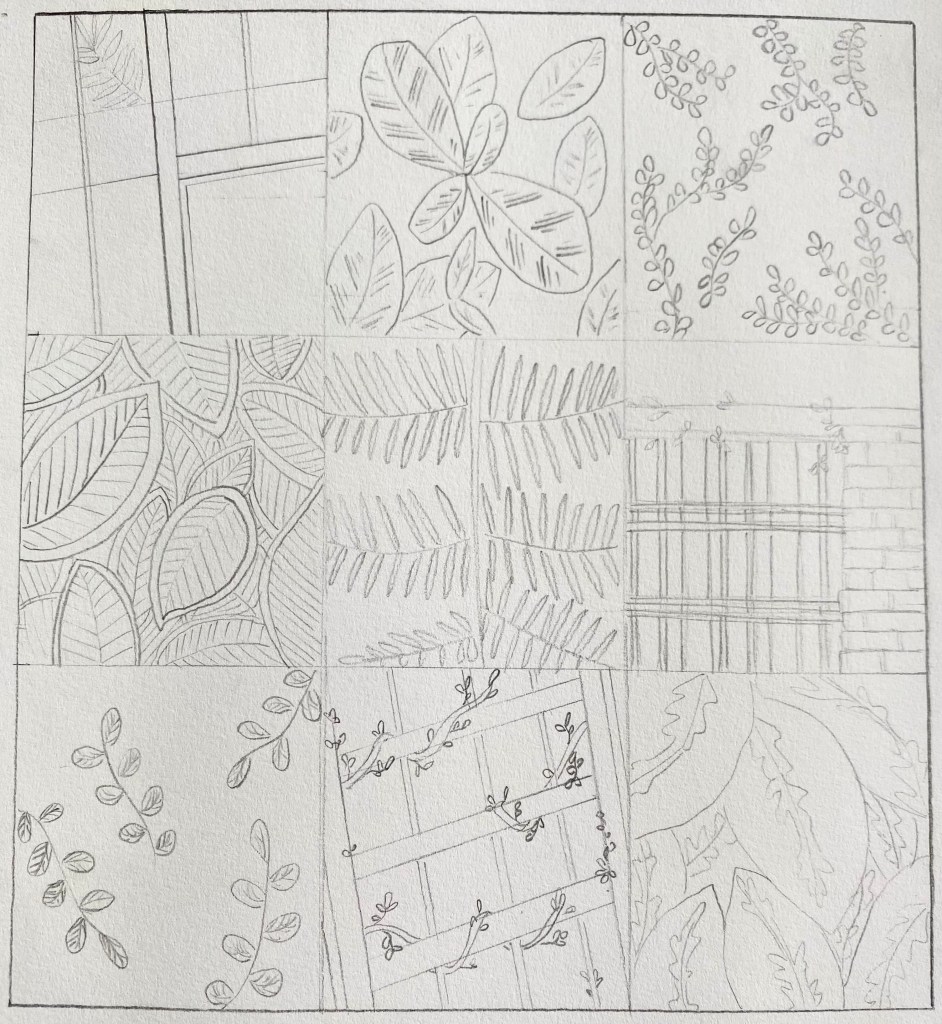
This week we focused on pattern making from elements of the site. I worked on layering my ideas, using both natural and man-made features of the site as inspiration.
Below are my initial pattern designs I created before heading into the workshops.
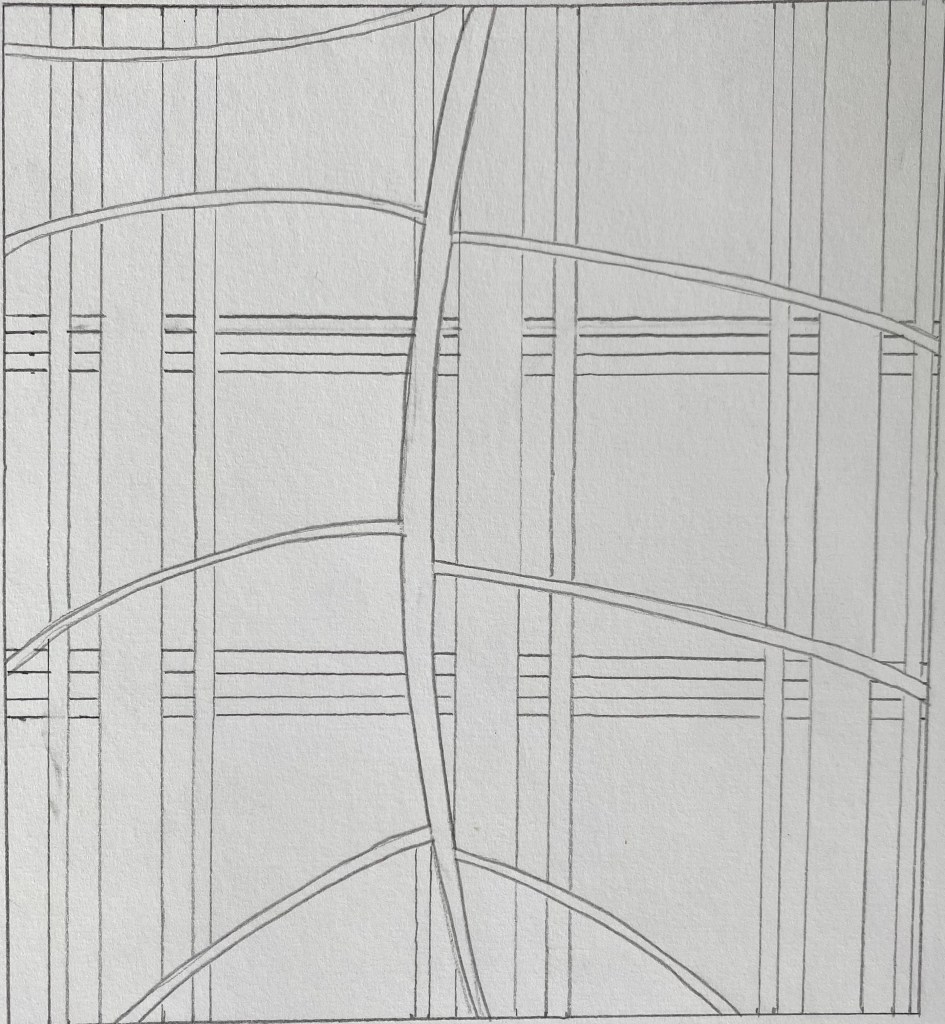
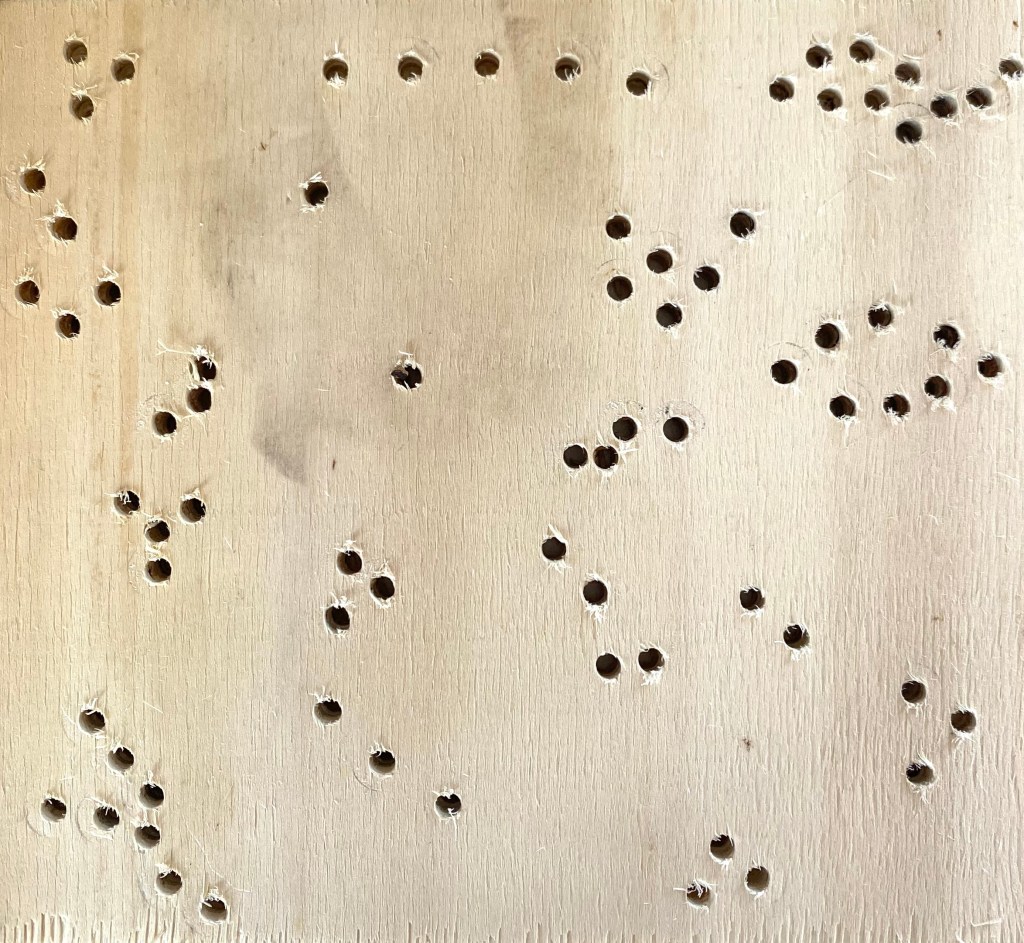
Wood and metal workshop:
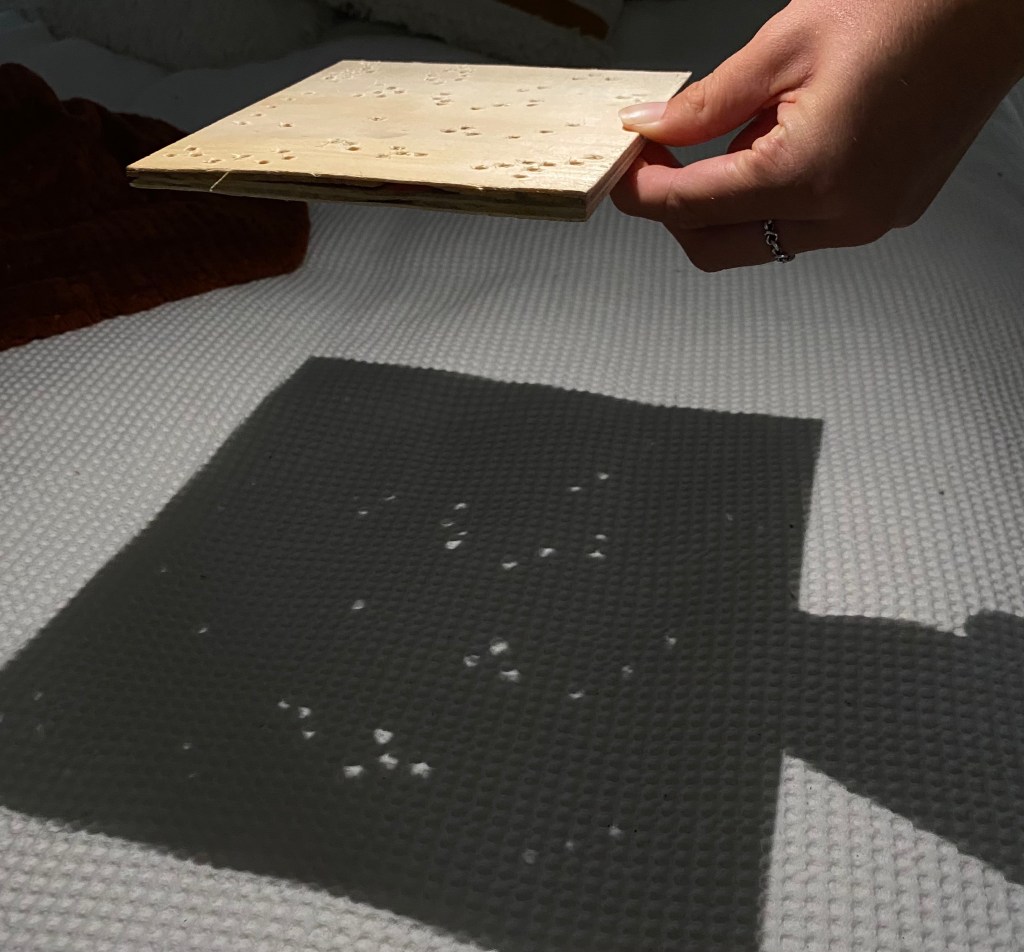
During our time in the workshop we were reintroduced to the bandsaw and drill tools. I have had previous experience with these tools and felt confident with using them to create one of my designed patterns.
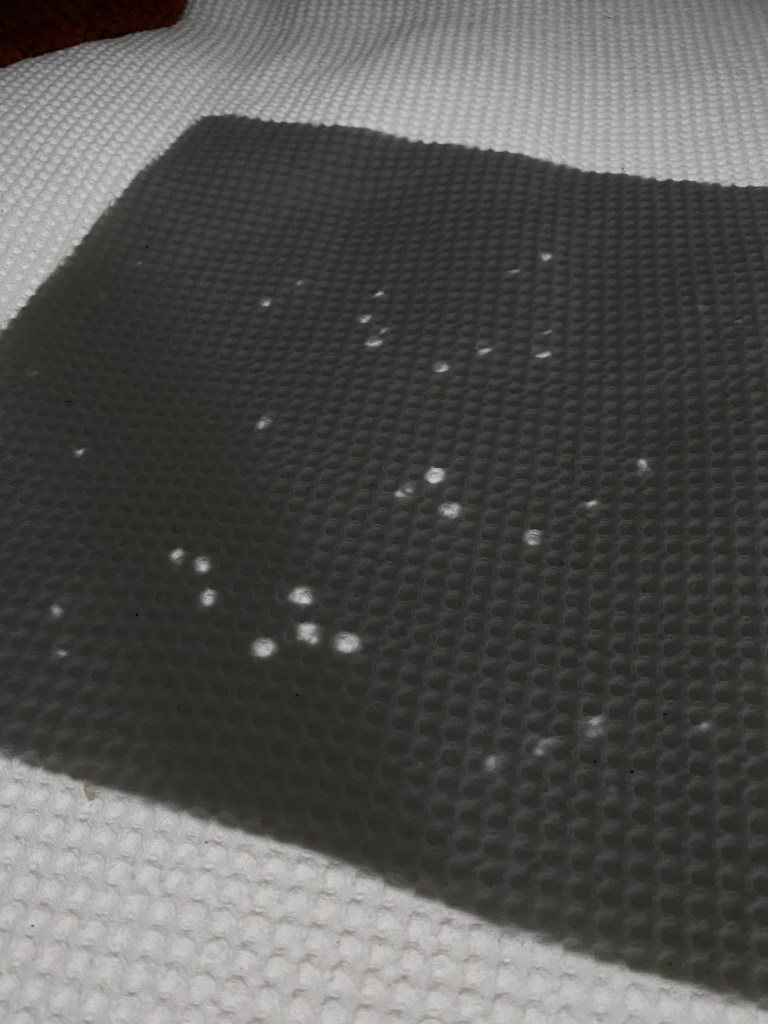
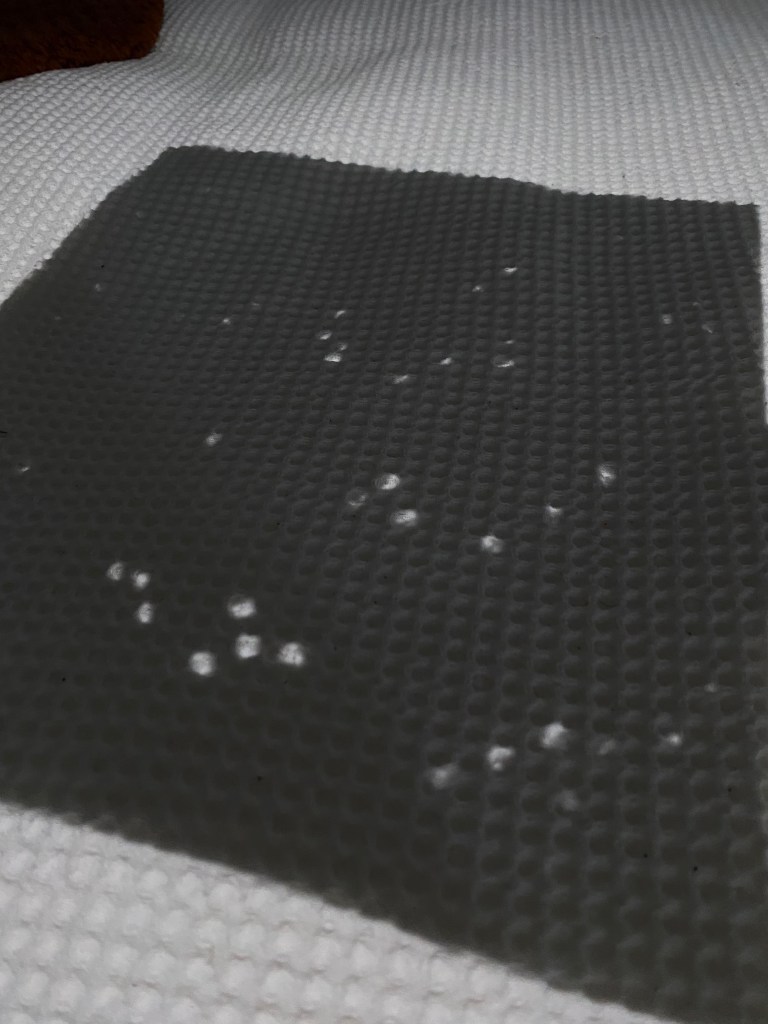
Imagery that inspired my design: Scattered Light
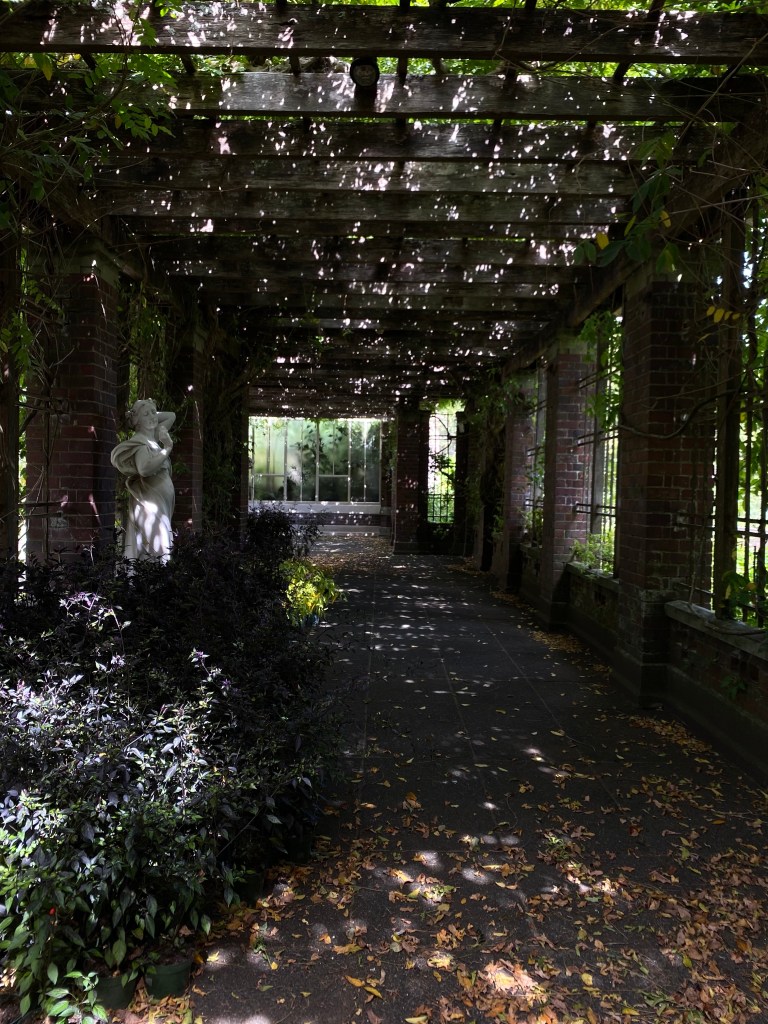
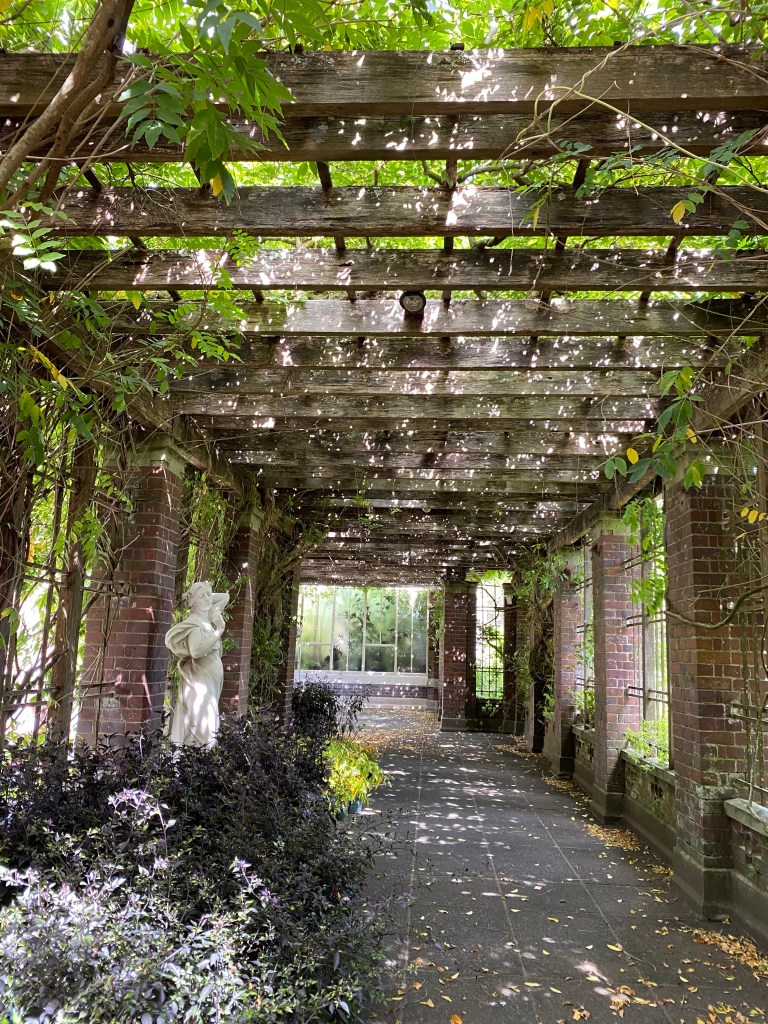
Experimental imagery, creating a scattered light effect using my grid design.
Laser Cutting Workshop:
I was excited to get into the laser cutting workshop as it was something I had always wanted to try. I came prepared with a grid design I had made using a combination of illustrator and rhino. It was cool to see the process of both laser cutting and 3D printing as well as seeing what we could possibly use the tools to make in the future.
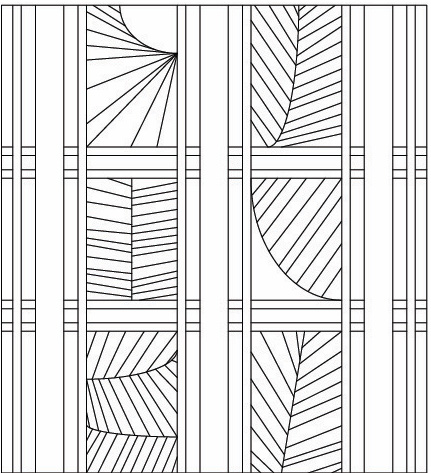
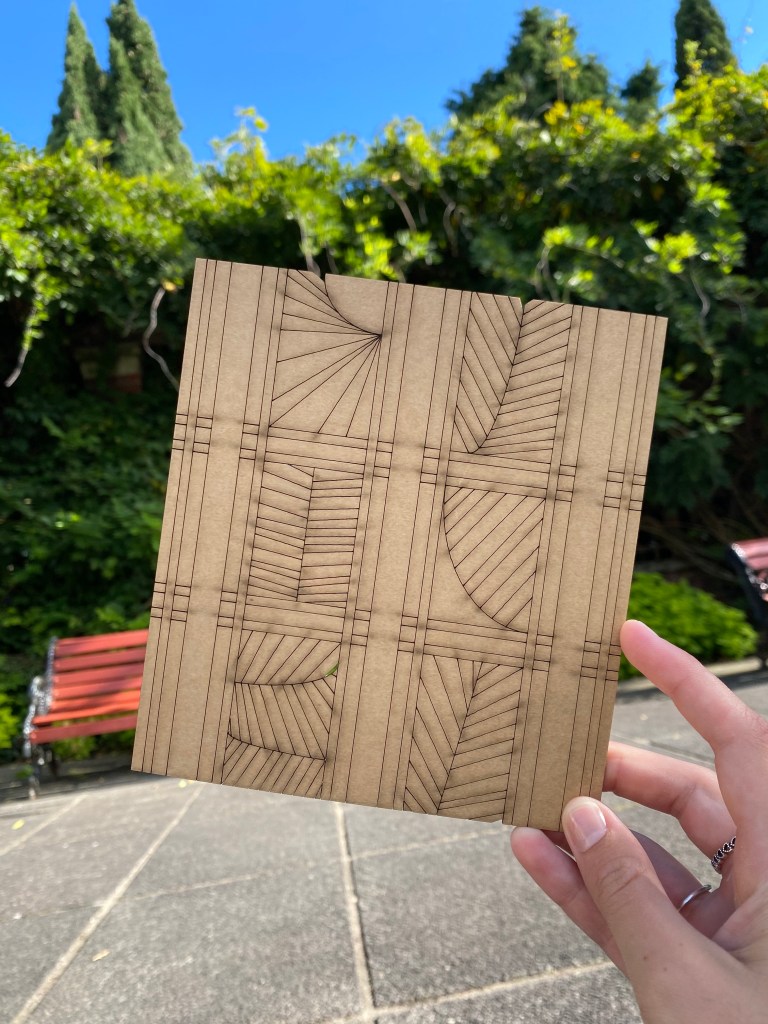
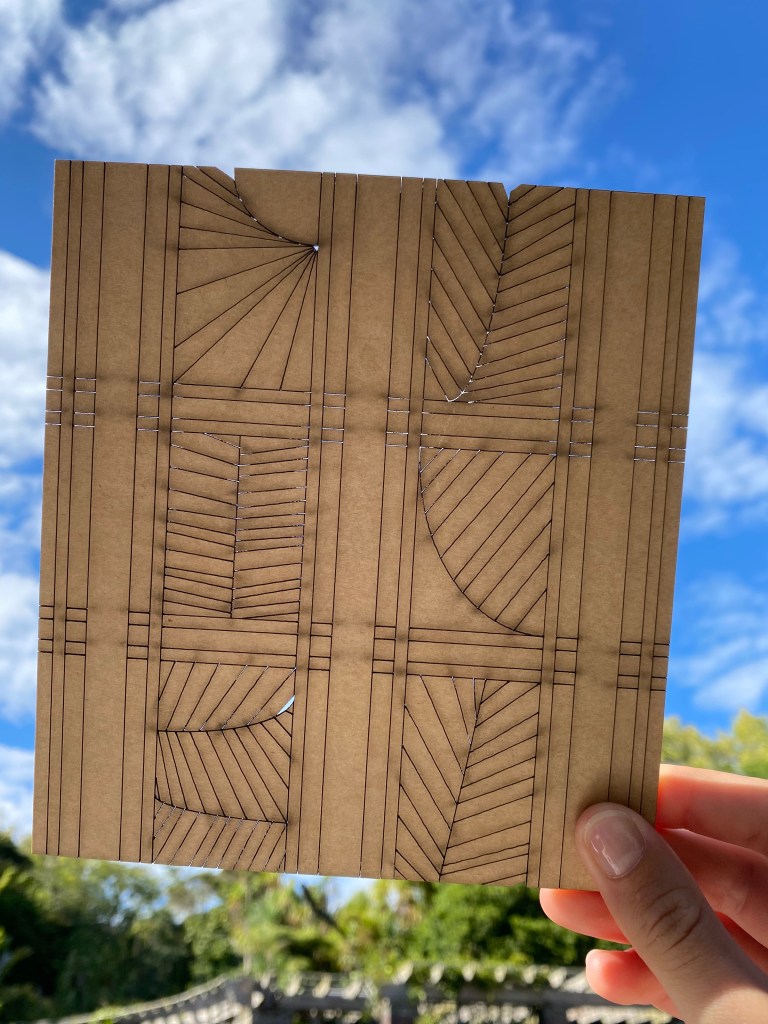
I thought the areas where light was able to filter through was successful as this relates to one of my initial interests from the site visit.
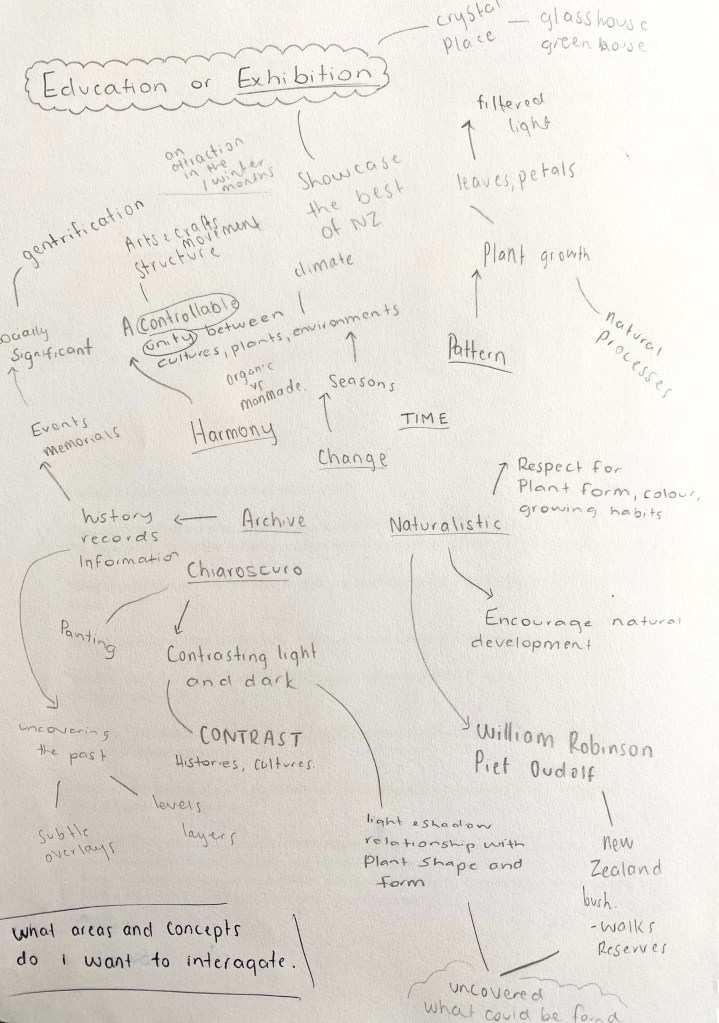
Mind Map:
Week 4: Second Site Visit
During our second site visit we worked in groups to really start to get into our designs. We walked around the gardens while explaining our ideas to our peers in order to get feedback and different opinions on our initial thoughts. I spoke to my group about the fernery and pergola areas and how I liked the feeling of dense nature. This feeling is something I would like to work with and enhance, perhaps making more of the garden feel like this. To be surrounded and a part of the garden rather than just viewing it.
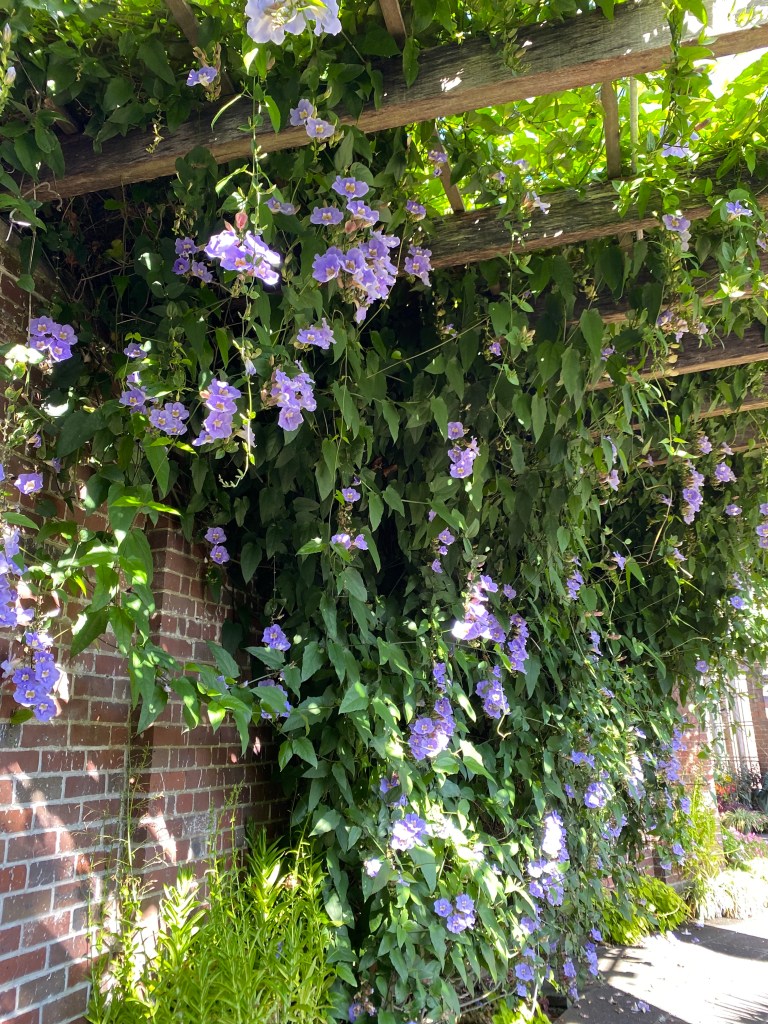
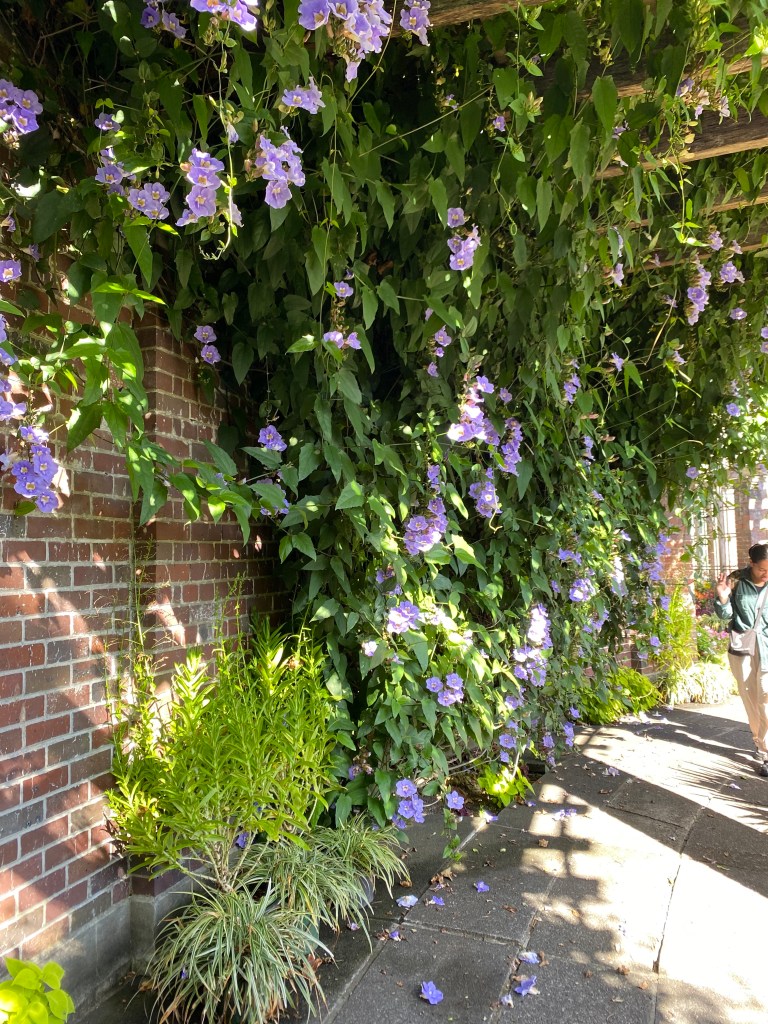
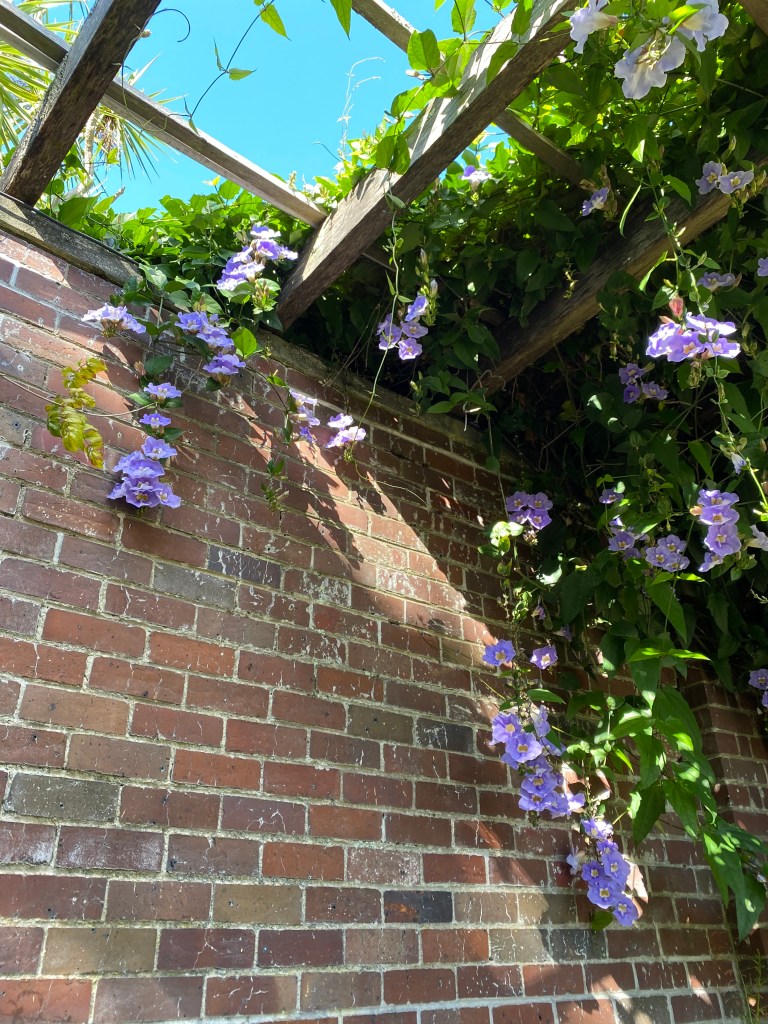
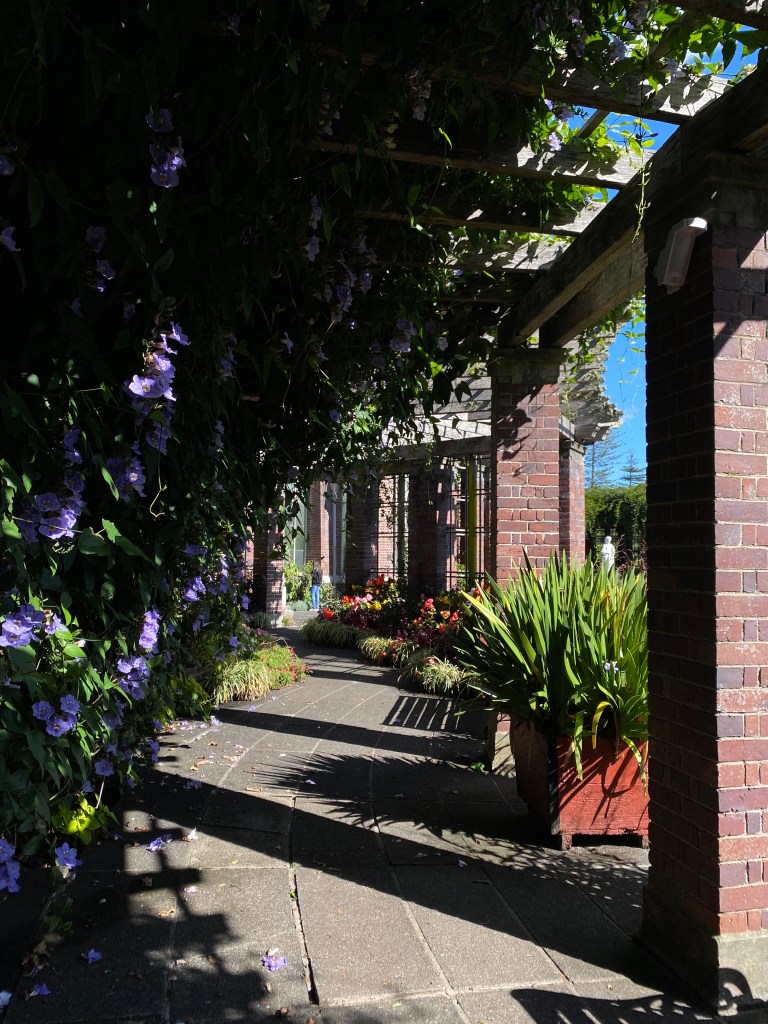
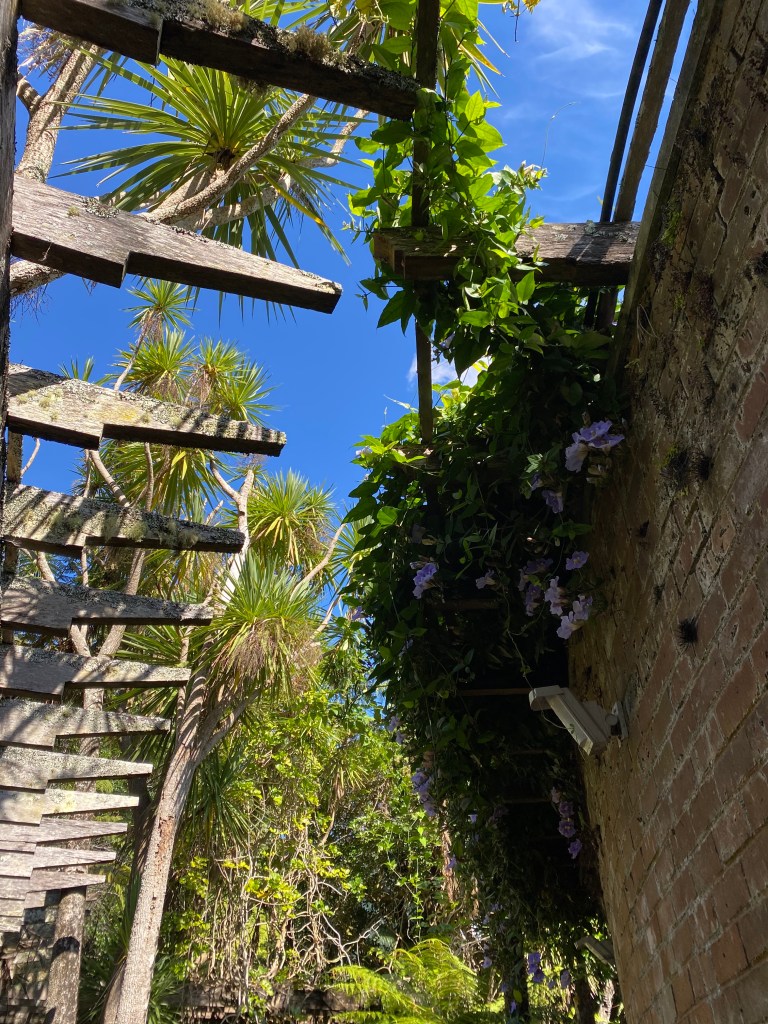
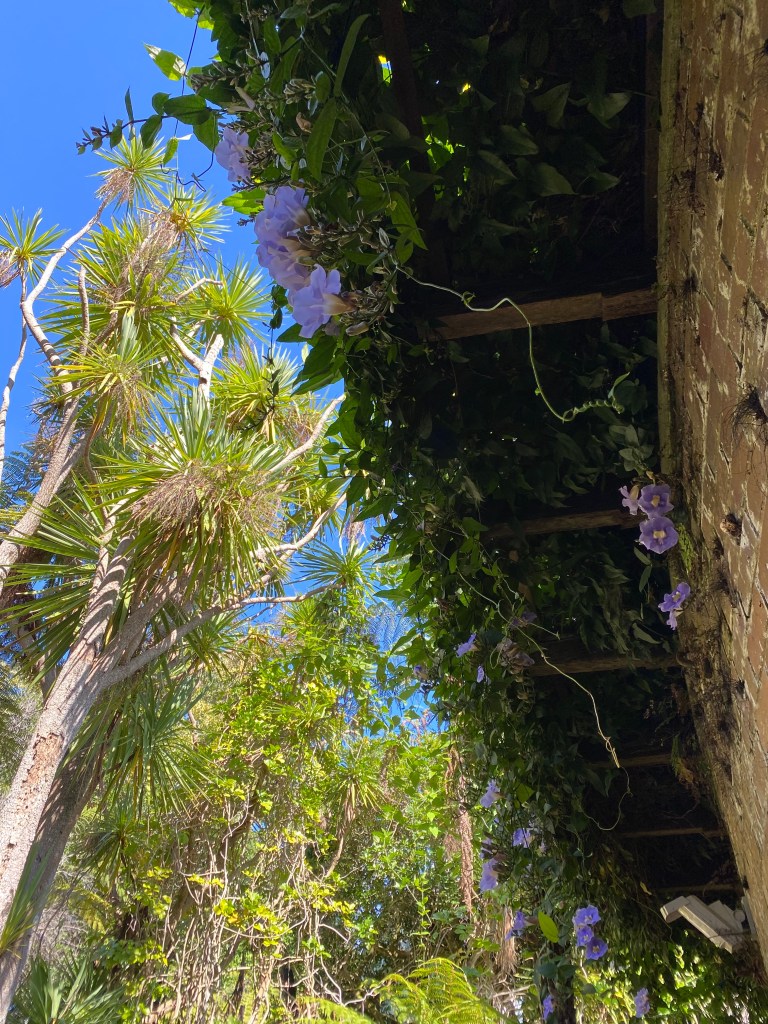
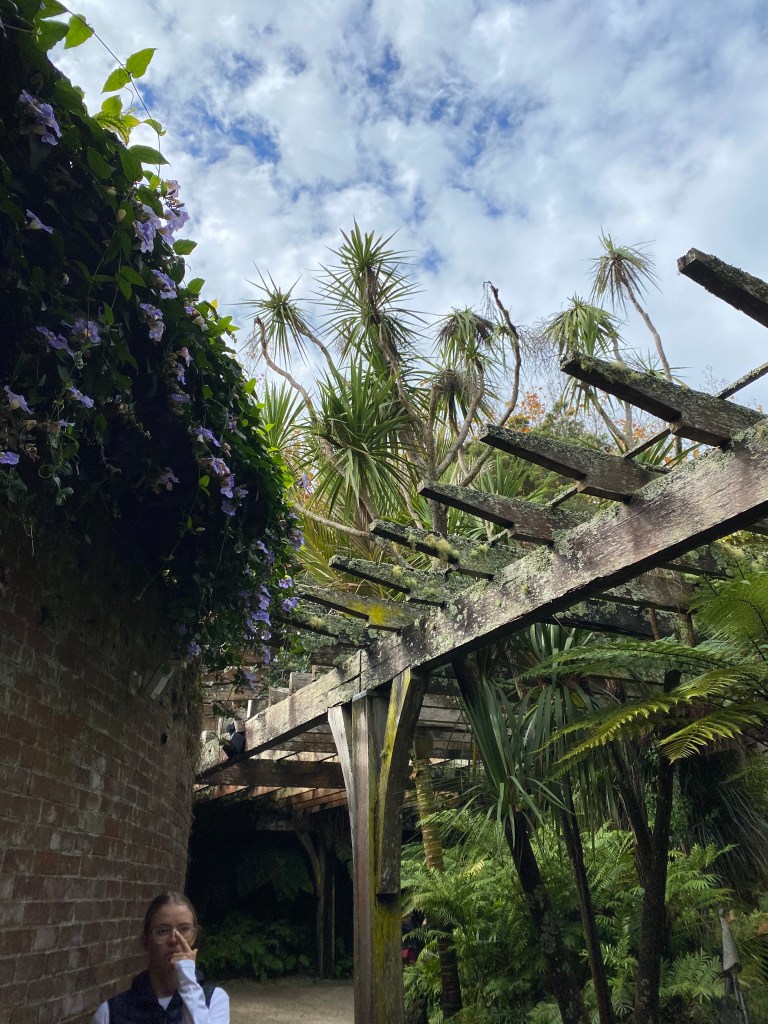
Pictured above is a section of the pergola I was drawn to. This area features a large vine like plant with purple flowers. The plant spreads itself along the pergola while also running down the brick wall. Leaves of the plant fall between the gaps of the pergola creating a moment of serenity as nature encompasses you.
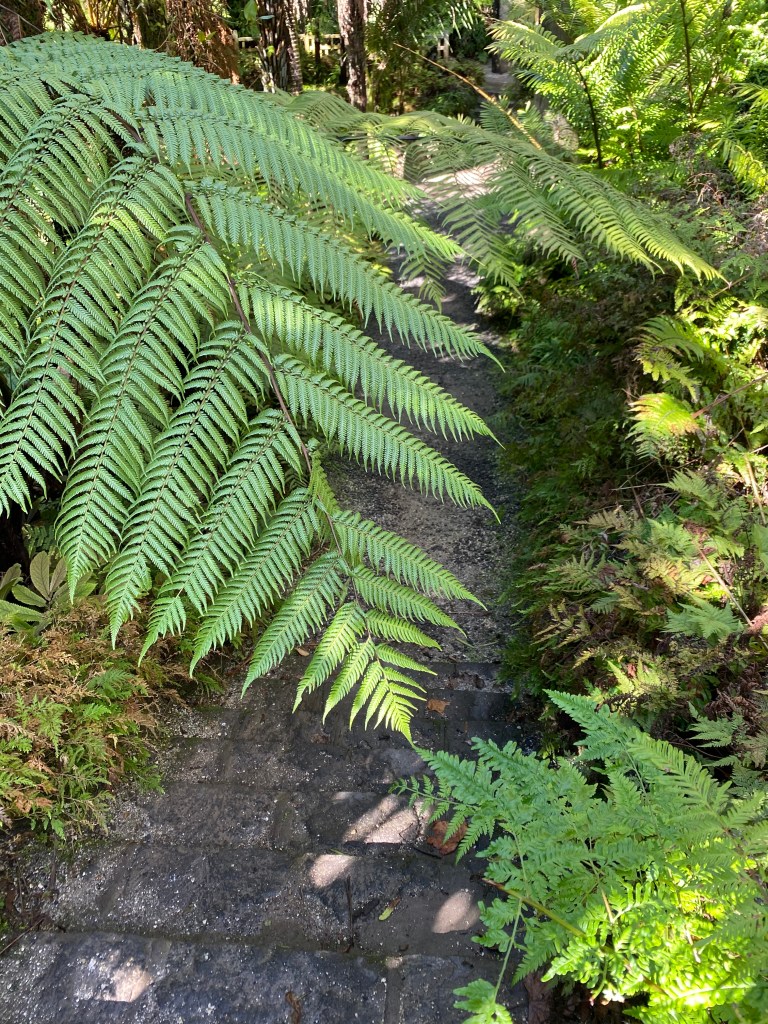
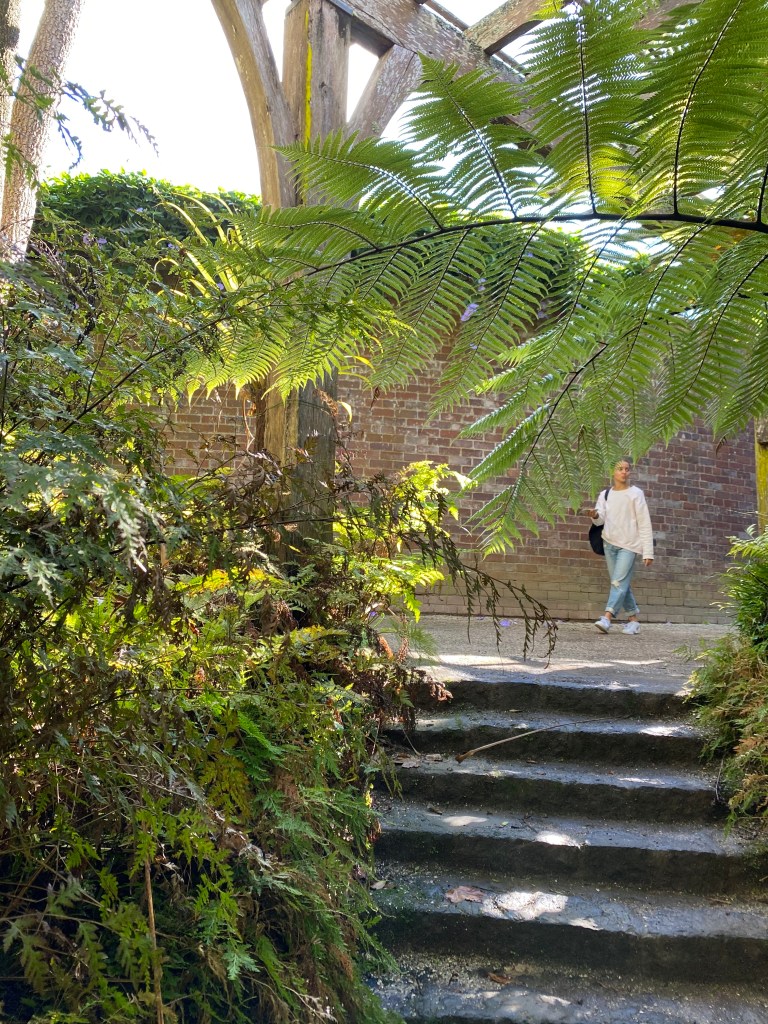
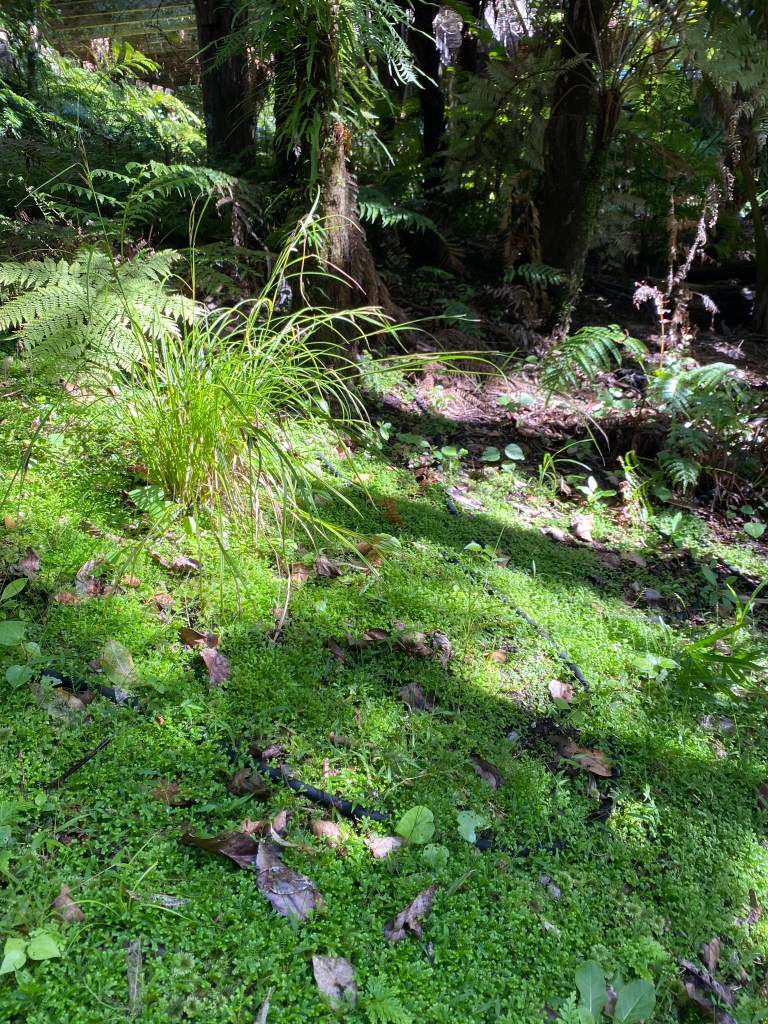
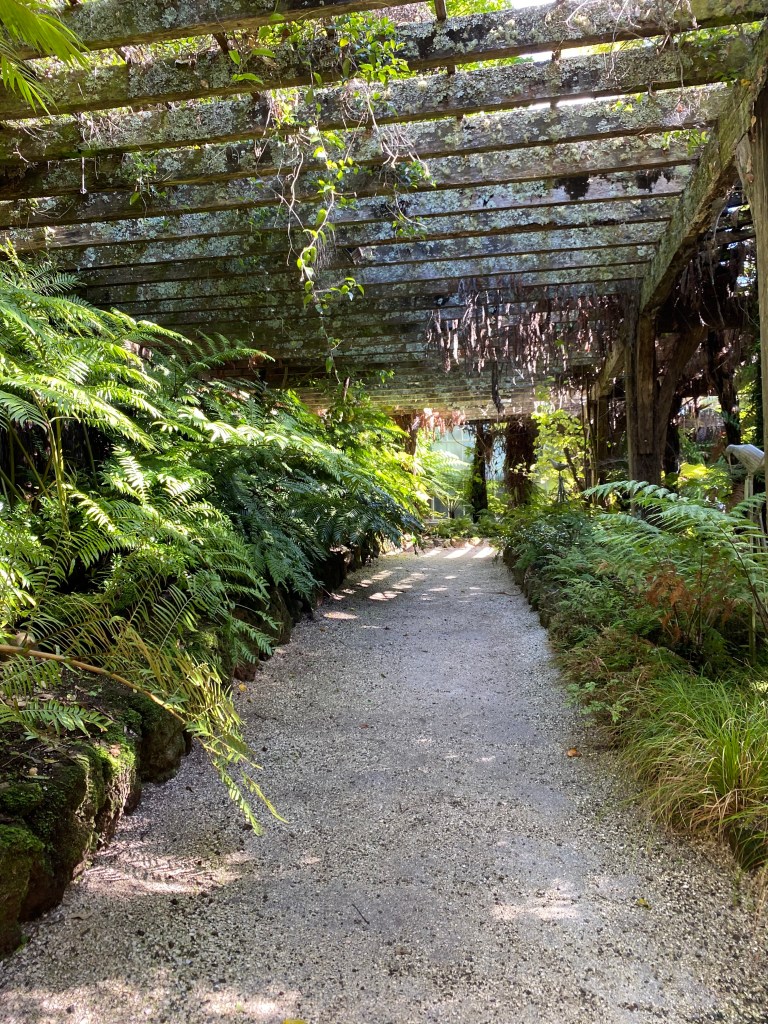
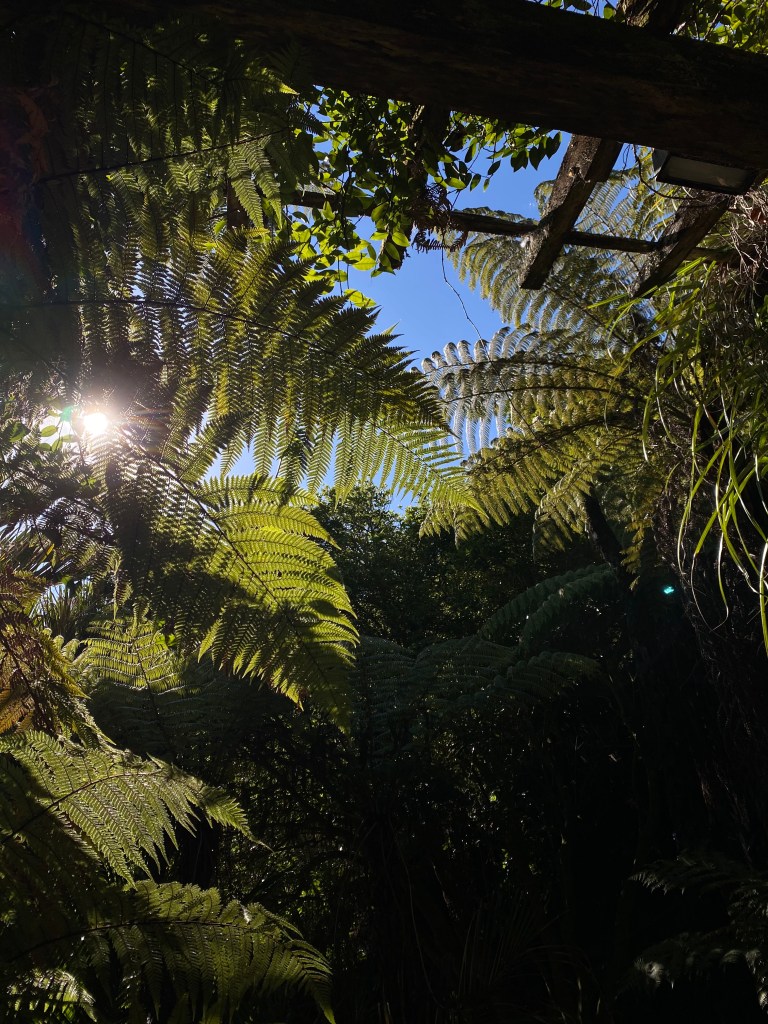
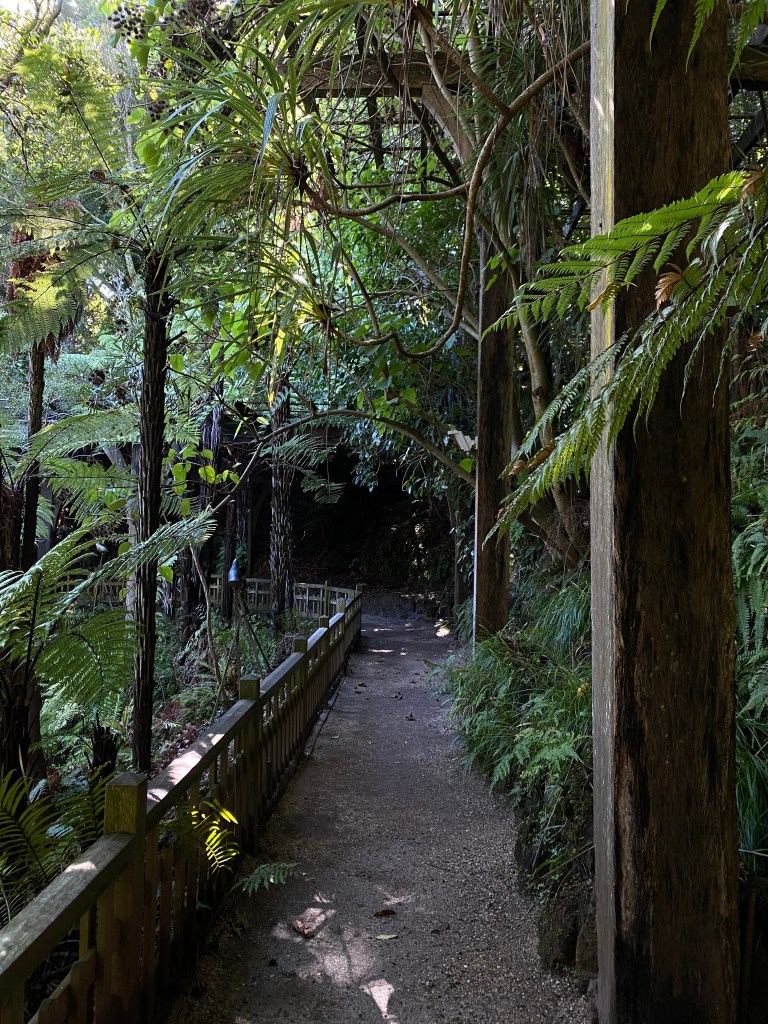
While at the gardens I started to think back to the research I carried out in the first weeks. I noticed that the areas I felt most drawn to had characteristics of the Wild Garden Movement where a naturalistic style is dominant. This has made me more certain of the direction I would like to take this project. Over the break I plan to finalise the program I would like to design and begin to think about how I can connect the site, it’s history and my own interpretation of the space together to produce a creative and effective design.
Research:
ARM Architecture
ARM Architecture work around Australia and are known for their creativity. They aim to enrich their design works by incorporating aspects of each projects culture, environment, history and character as well as its purpose. This direct approach results in distinctive designs that have a sense of place. Each could exist nowhere else, and for no body else.
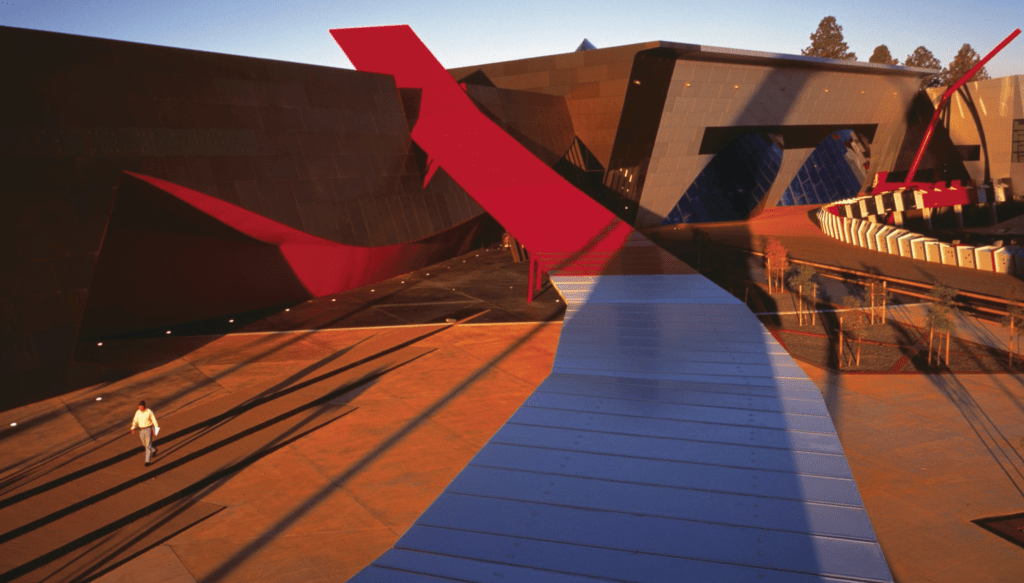
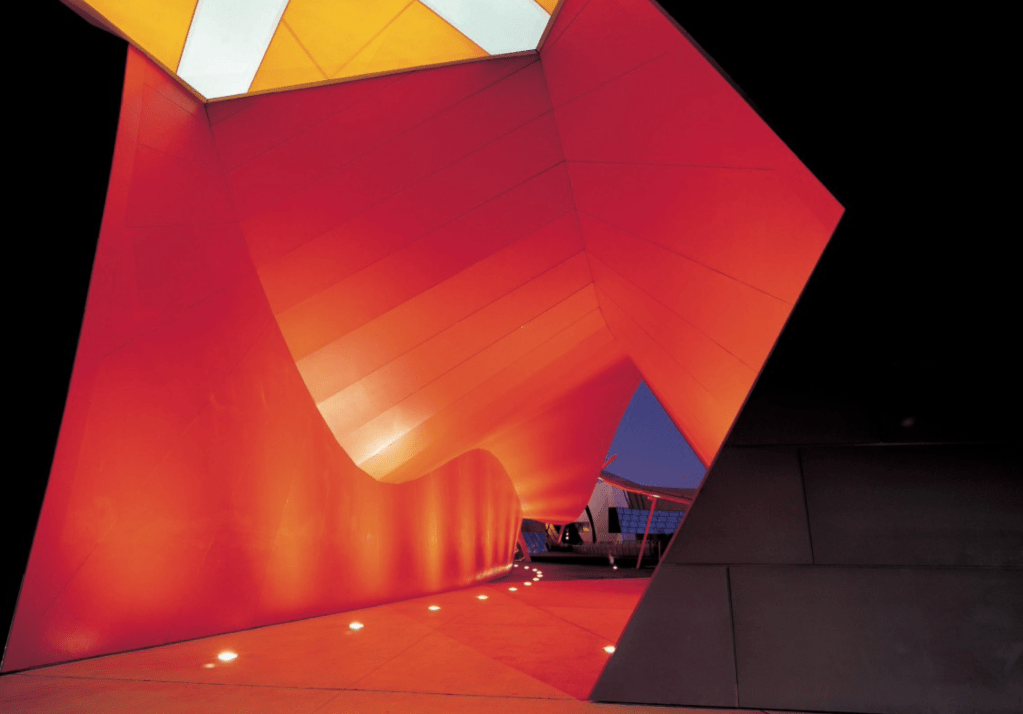
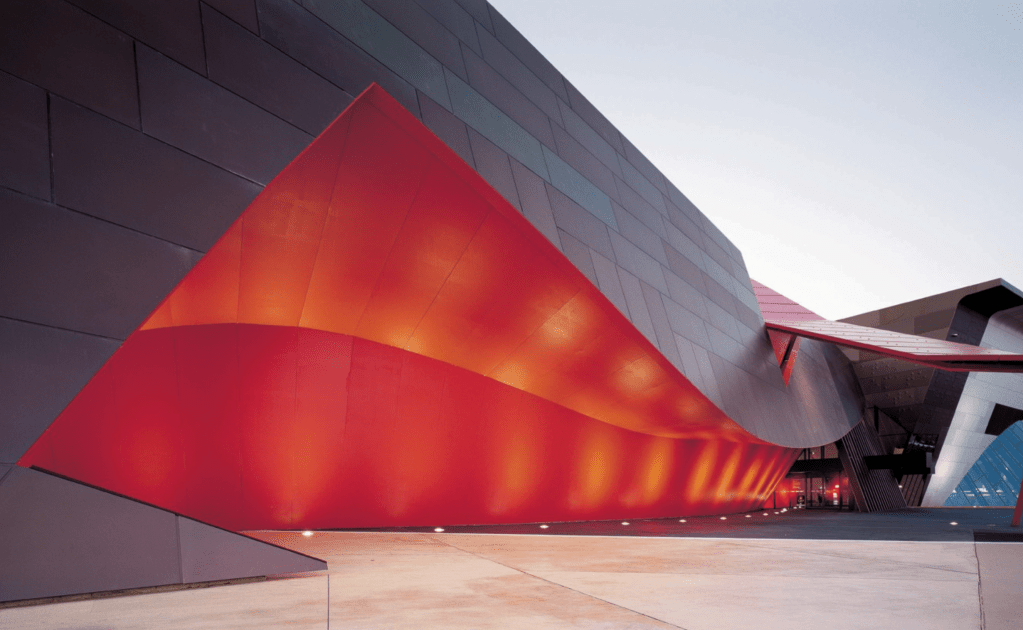
The National Museum of Australia designed by ARM Architects uses conceptual and contextual ideas around Australia’s history to inform their design decisions. The architecture is inspired by two main ideas. One being a boolean string that embodies the views on Australian history as tangled and incomplete and the other being a jigsaw puzzle that signifies the museum as being conceptually unfinished as history evolves over time. The knot design of the main hall symbolises a tangle of stories, this concept enables people to reflect on their own ideas and stories around the past.
The idea of using conceptual symbolism as design inspiration is something I would like to try and work with. What could symbolise a clash between the European and indigenous ideas of nature here in New Zealand? How could visitors be informed about the history of the site without it directly being told?
Week 5: First Design Ideas
Positioning Statement – First Iteration
I admire nature’s ability to grow and change over time creating a contrast of texture, colour and form. Working with a site where plant requirements are the driving force of the design intrigues me as I begin to think about how my design could evolve and progress like nature does over time. a garden should encourage natural development and have respect for plant form, colour, growing habits and foliage rather than adhere strictly to a layout. The glasshouses seen in the Wintergardens highlight our now distorted perception of nature where we see ourselves as observers of these structured environments.
The relationship between light and shadow within the Wintergarden landscape is also very compelling. I noticed the similarities of shadow patterns formed by a variety of plants and the shapes of the architecture. The cause of this within our given site is the distinct use of glass as a material. Shadows are a guest, dependent upon the sunlight, a passing memento to become nothing at once night falls. Visitors of the wintergardens do just the same, come and go in the daylight. How can I enhance the experience for the guest? How could light and shadow tell a story about the site history?
Opening the wintergardens up to the public after hours is an area of interest. A night time exhibition would allow a light and shadow based design to thrive. What historical moments could be brought to life? Could the site return to its natural state through light over the night permitting artificial ‘plants’ to take over the space. How could light bring man made objects to life shifting the space from a structured garden to a more wild, naturalistic environment.
Research:
After writing out my first iteration of my statement I decided to undertake some research to find design inspirations that use light/shadow to create an atmosphere within a given space. I was also interested in the different techniques used by designers and how certain elements become interactive – connecting the space and its guests.
Rain Room
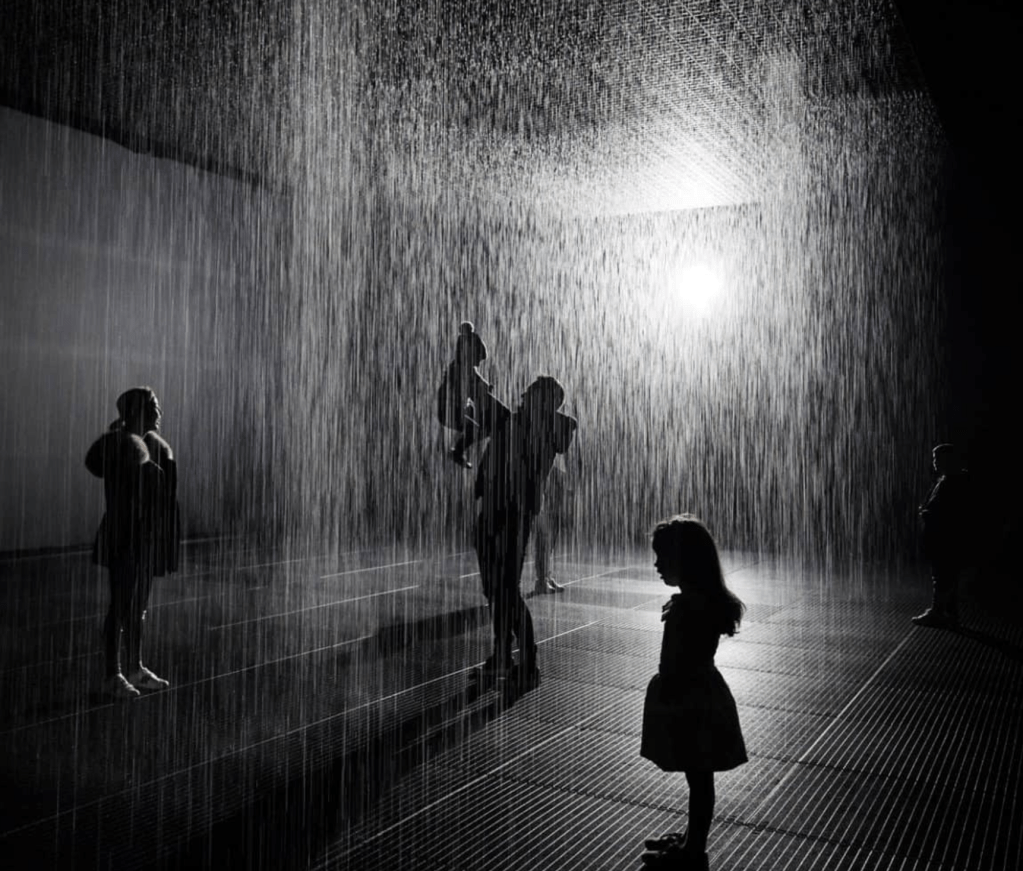
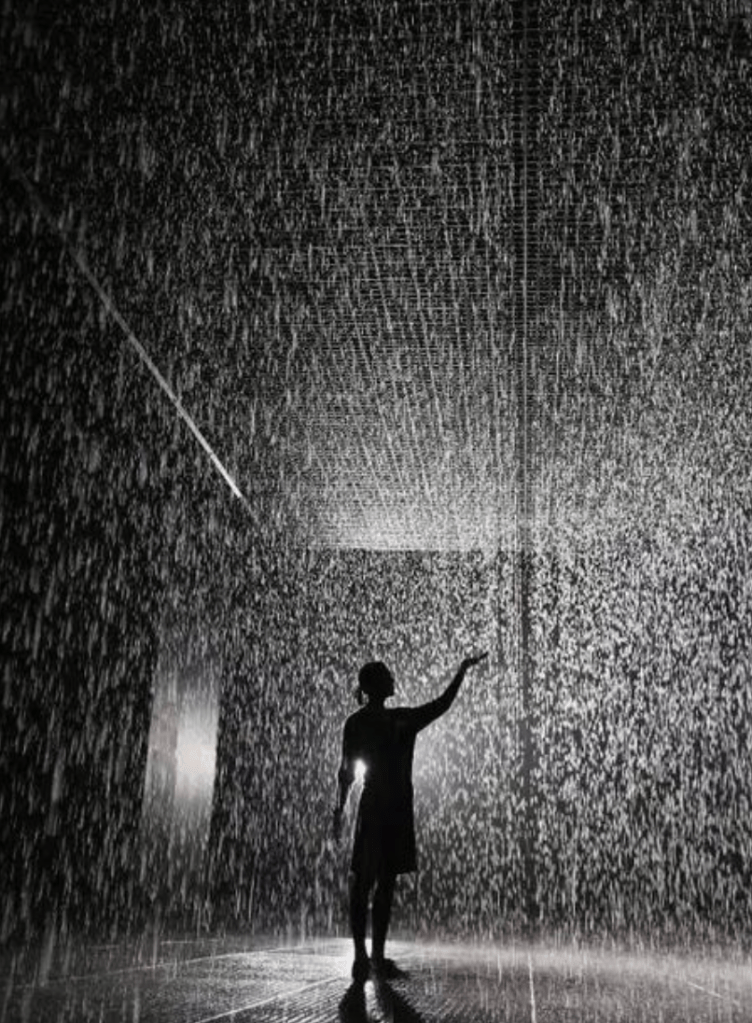
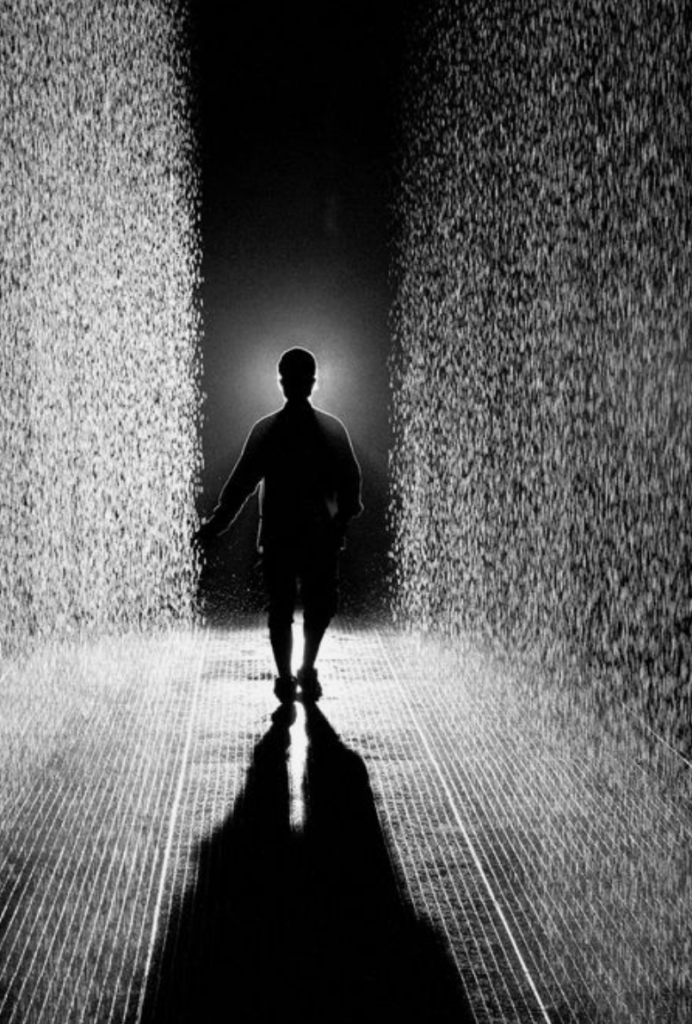
Random Internationals Rain Room is a interactive work that merges art, technology and nature. A visceral and emotive experience, Rain Room creates a theatrical space that invites each patron to respond to and question their relationship with the installation, and on a deeper level, their relationship with nature and the environment. Rain Room is a 100 square metre expanse of torrential rainfall that responds to your presence and movement; protecting you from the rain as you navigate the space.
This installation allows visitors to feel in control of the environment as they move throughout the space. This creates a different power dynamic between man and nature as we wouldn’t usually have such dominance over the elements.
Impermanent Sculptures
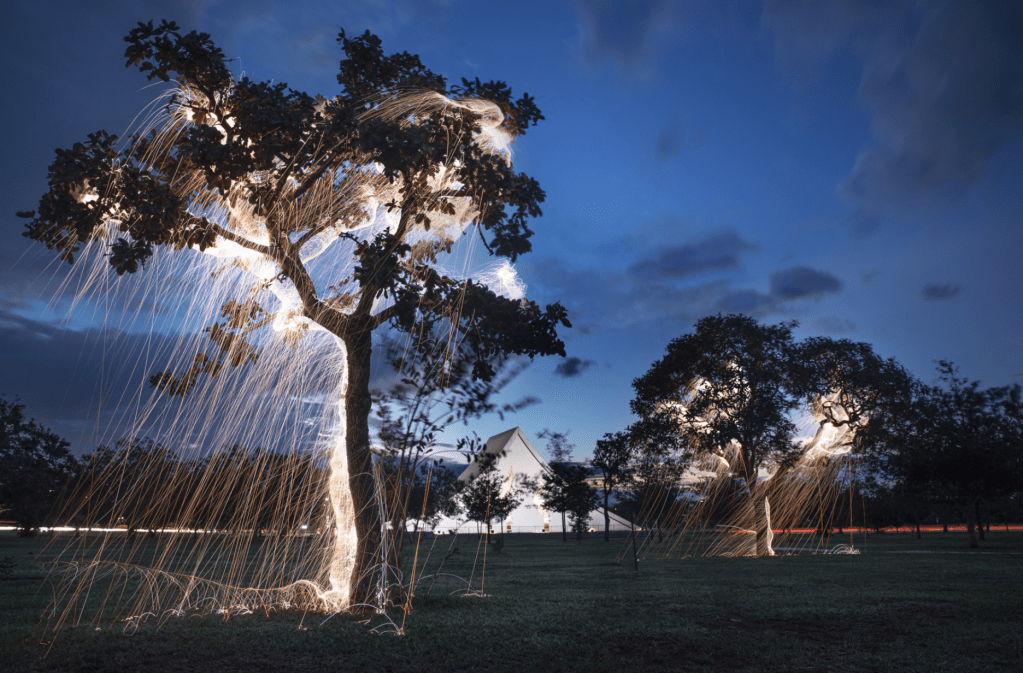
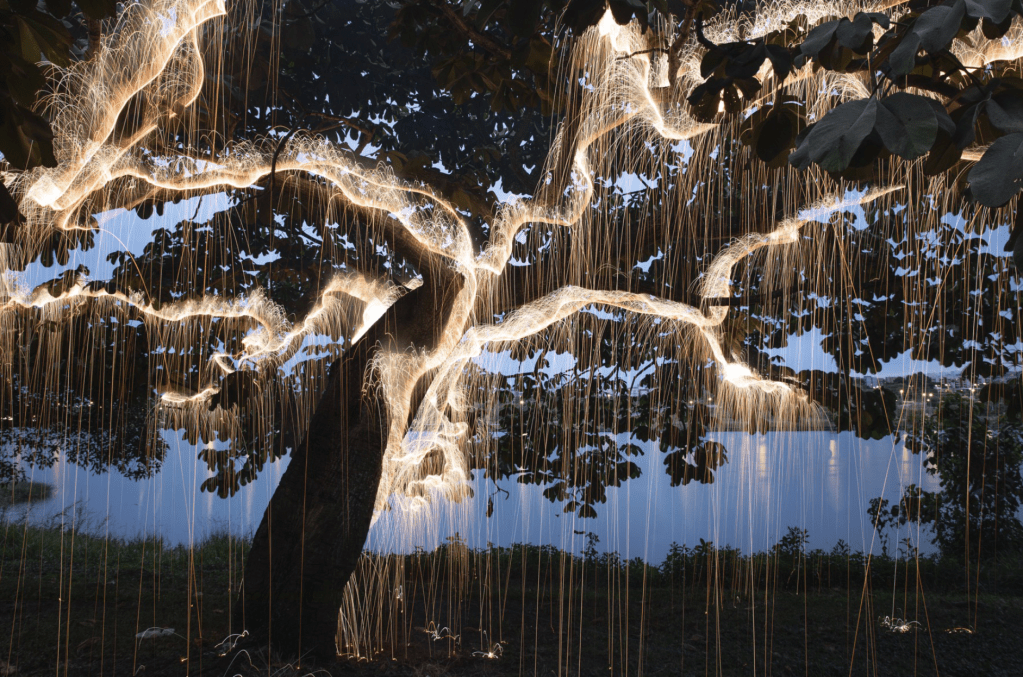
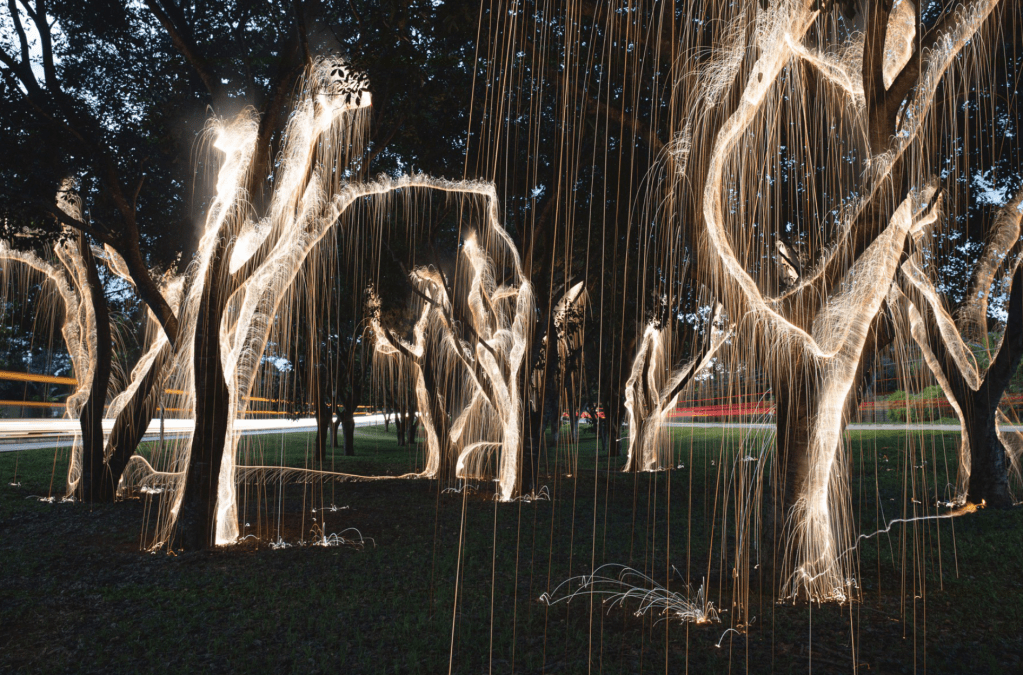
In Vitor Schietti’s Impermanent Sculptures, thick treetops and branches are swollen with light that appears to drip down in incandescent rays. Each photograph frames the nighttime scenes in a dreamy, energetic manner as the glowing beams both outline and obscure the existing landscapes.
I was drawn to the way the photographs give the trees a sense of life. The movement captures an energy that looks to pulsate from the trees themselves giving the environment a visual life that we do not see with our own eyes.
Something and Nothing
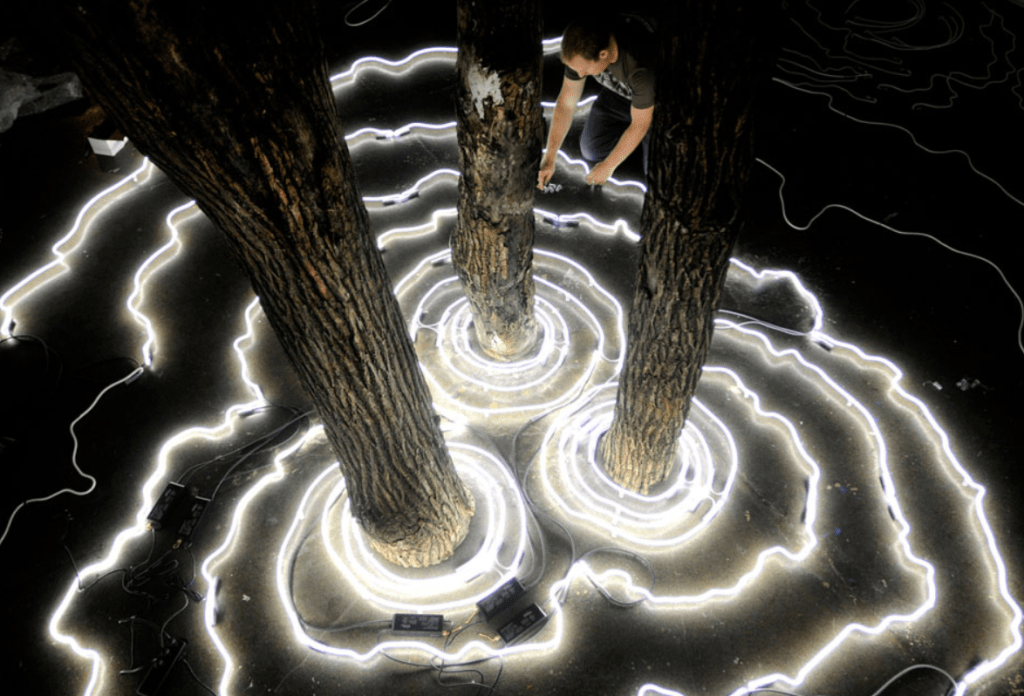
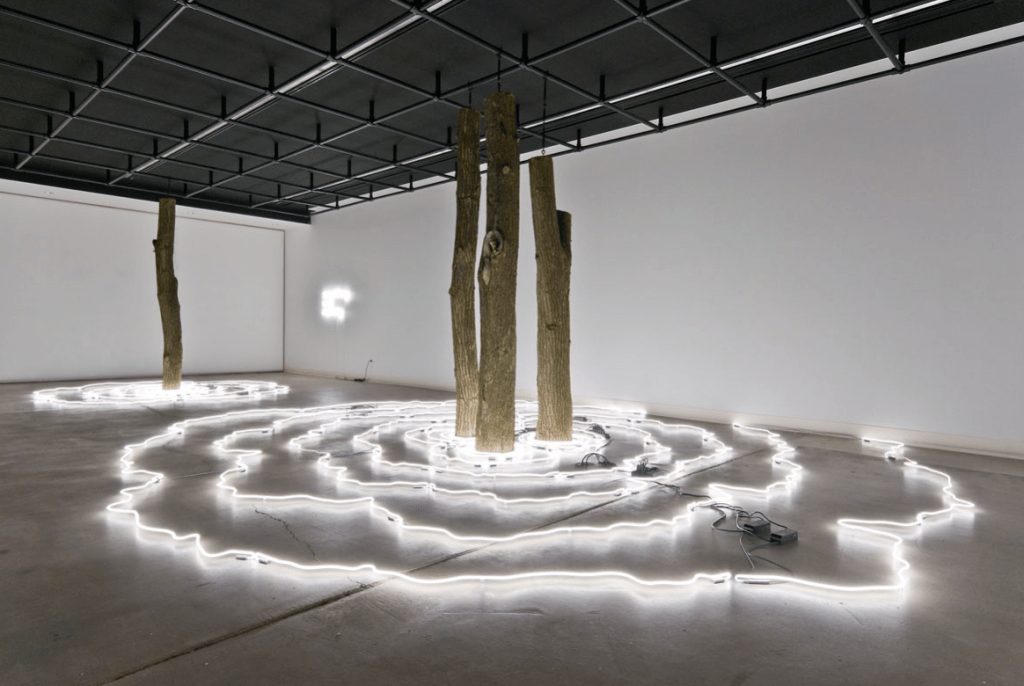
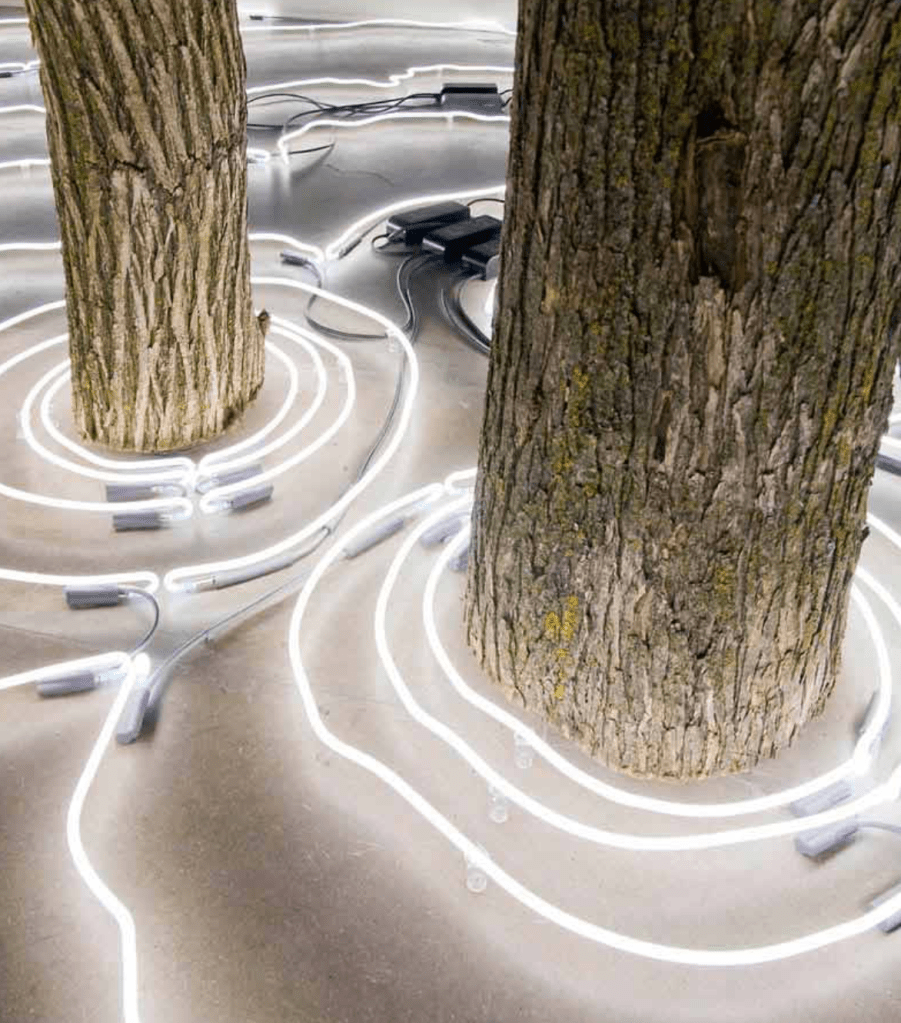
This sculptural installation by Keith Lemley consists of concentric rings of white neon tubes that mimic the natural variation found in the logs at the centre. The work creates a space for a dialogue between nature and technology by filling the gallery with artificial light that is delivered through seemingly organic forms.
When looking at this installation I think about the concept of time. The light tubes create patterns that communicate future growth. Through combining the everyday occurrence of perceiving light with an unusual delivery method ‘Something and Nothing’ calls attention to the idea of sight, perception and the experience of being a living body amongst other living organisms. The layout itself reminded me not only of the inner patterning of tree trunks but also the contour patterns of the land on which they grow.
Initial Design Ideas – Plans
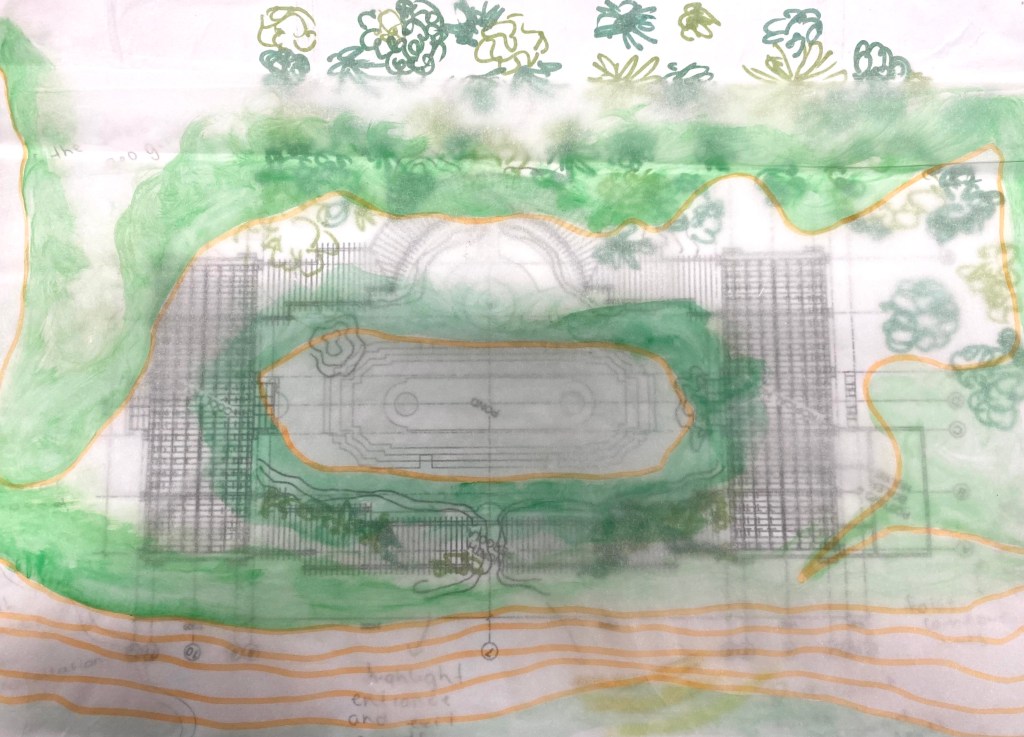
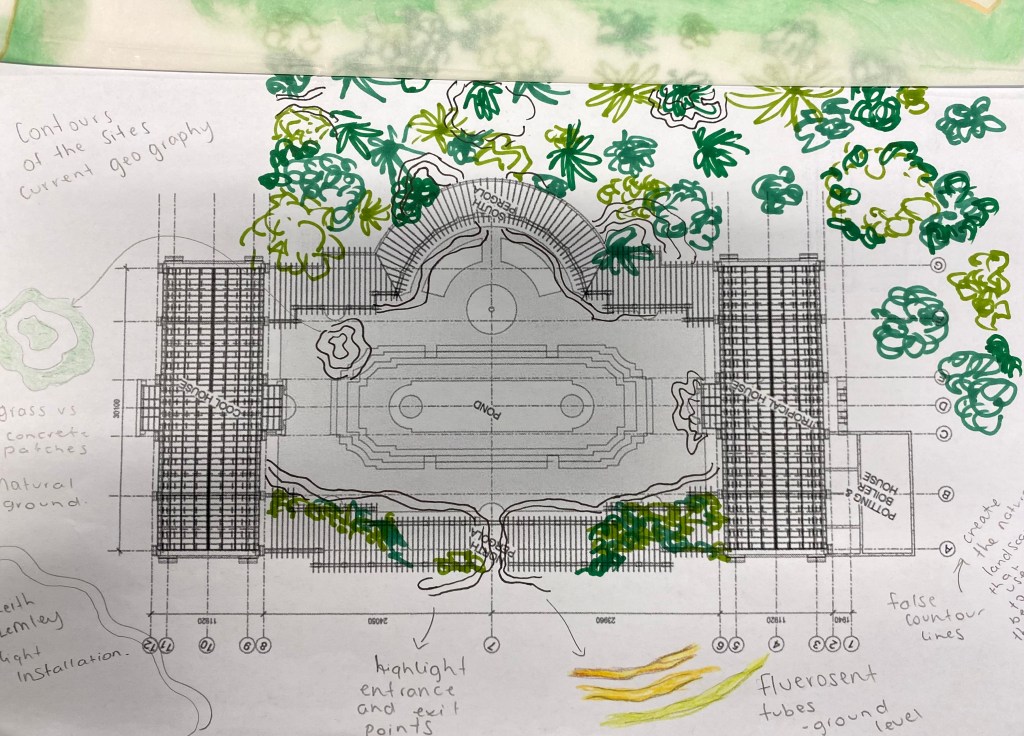
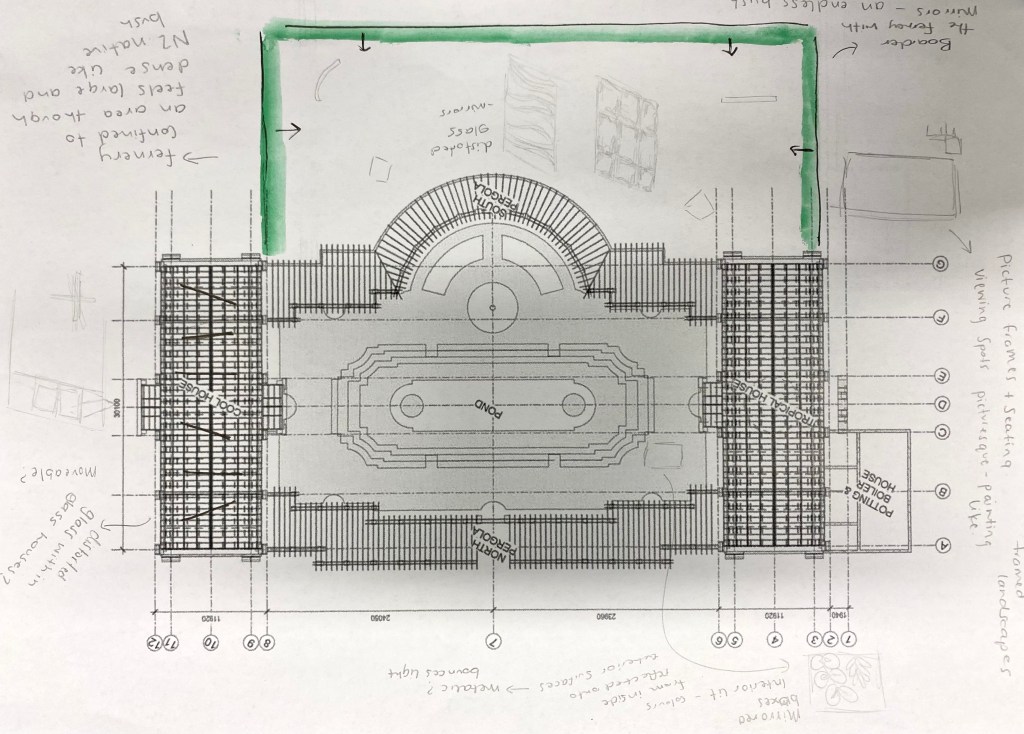
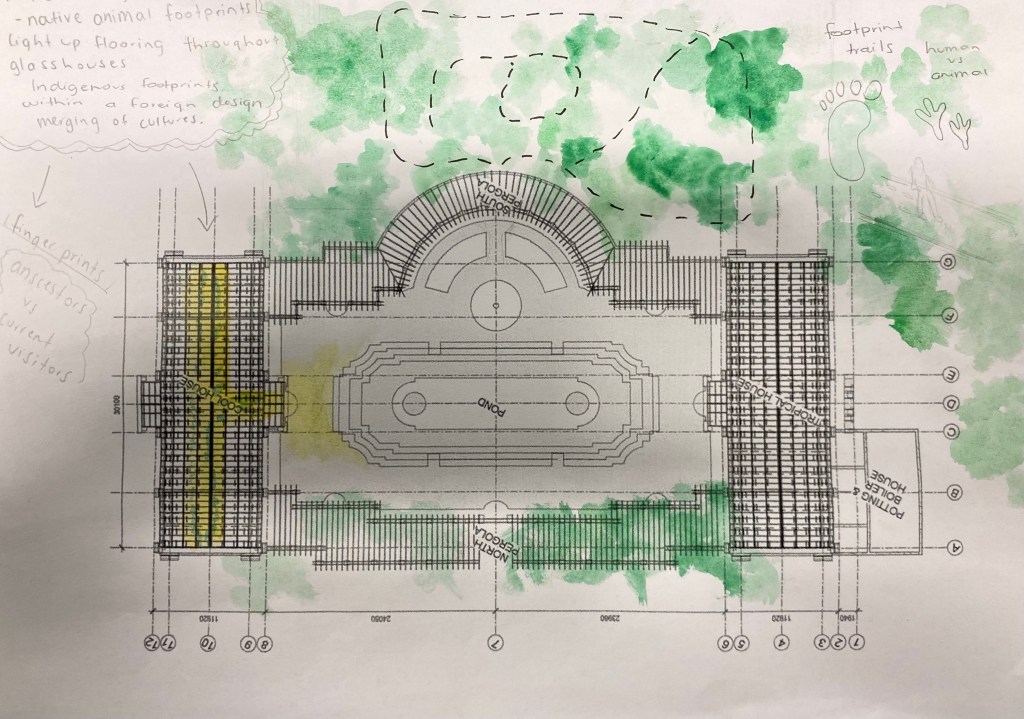
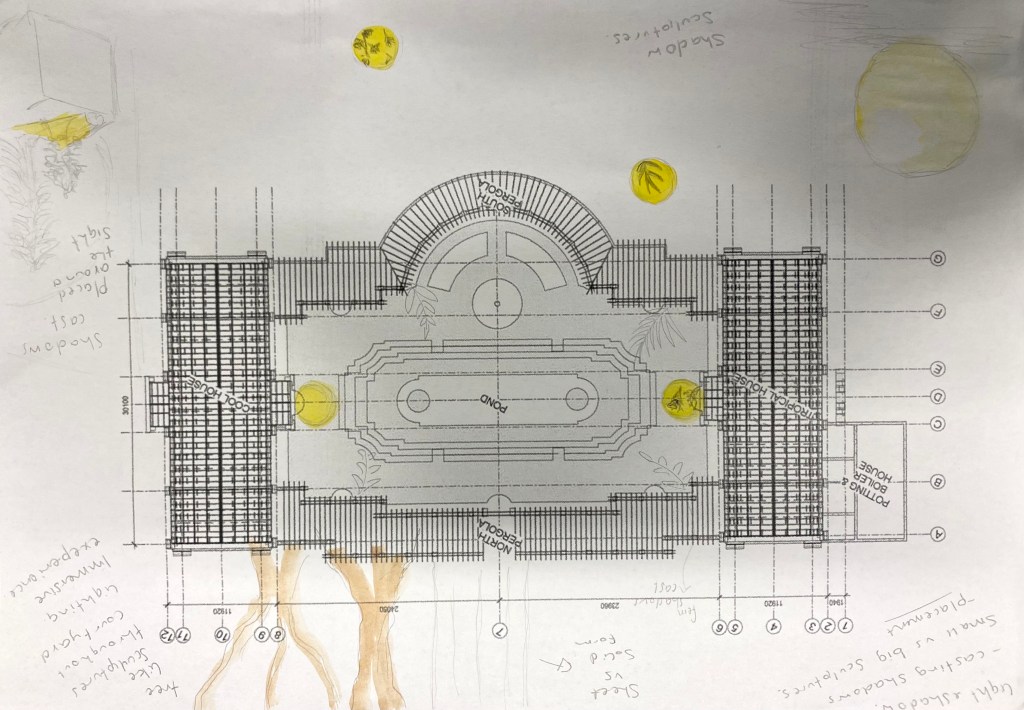
Above is a series of plan sketches I completed as a part of a study group activity. Each plans consist of sketches and annotations of a number of ideas I have had when thinking of how lighting could impact the site. I then worked through a project planning question sheet that helped ground some of my ideas and pushed me to think about how people would experience the space.
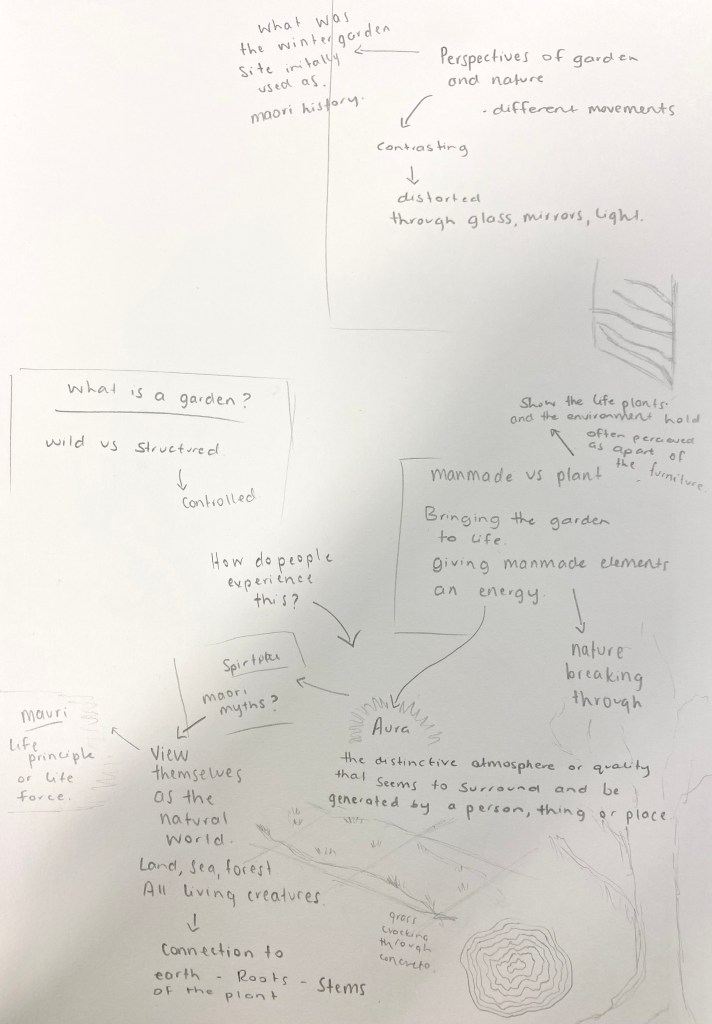
Project working title? Distorted Nature, Aura, Artificial … ?
Programme – What are you designing? I will be designing a lighting based exhibition throughout the outdoor spaces of the winter garden (courtyard, pergolas and fernery).
What do you want your design to express? Why is this relevant? What is its poetic? What is its purpose? What is its value? I would like my design to express something about the cultural history of the site (yet to choose a specific point in the sites history). I consider this relevant as much of the sites indigenous history is overpowered by European designs and views on nature. The designs poetic will be the atmosphere created through different lighting sources placed around the site. Variations of colour, brightness, shape and size will generate different feelings throughout. The purpose of the exhibition will be to both theoretically and literally shed a light on the hidden New Zealand history of the site while also celebrating the already existing beauty of the gardens themselves.
Why is your design addition important in a contemporary context? My proposed design ideas could be viewed as important in a contemporary context as it ensures the current and future generations understand the connections we have with nature. The relationships may differ between cultures though each individuals perspectives are important.
How large will your design be? My design will be small to medium size. Though small in size the lighting will have a great effect on the way the plants are viewed as shadows are cast and light bounces off of materials.
Accommodate how many people and why? I think the design would be most effective if people within the space was kept to a maximum of around 30 visitors at a time. I think the space is big enough for a number of people to spread out and feel alone within the garden. This would give time for individuals to feel immersed amongst the plants and lighting without having to move too quickly.
What materials will your design showcase? Other than a range of lighting sources I think that using reflective materials such as mirrors and metals that will bounce light around the space will add to the overall atmosphere.
What drawings do you need to present your specific design proposal? Plans and sections to communicate the placement of lighting throughout the site. Atmospheric images both hand drawn and digitally developed will be necessary to show the effect lighting will have on the atmospheric condition of the site and the experience it will create for visitors.
Week 6: Research and Development
This week I spoke with Rachel about how my design was progressing. After reading through my statement and speaking about my ideas it became clear to me that having a good understanding of how lighting works will be essential moving forwards. I was encouraged to look more deeply into other artists light installations to see how they have used light to create different atmospheres.
The use of light as a medium in the production of art has a long and varied history. Usually, in light art works, light is the main medium of expression used. These works form either a sculpture that produces light, or where a kind of disembodied sculptural presence is created through the manipulation of light, colours and shadows. These kinds of installations can be temporary or permanent and can exist in both indoor (galleries, museums) and outdoor (events, festivals) spaces. Light art can also be an interaction of light within a specific architectural space and can be tailored to interact with the architecture itself.
I decided to take a look at some contemporary light artists to see how they best use the medium such as Dan Flavin, Olafur Eliasson, James Turrell and Leo Villareal. Each of these creators use light in large quantities to generate illuminated displays. Often the sculptures and large-scale installation artworks use a number of elements as materials such as light, water and air temperature in order to shape the viewers experience. Using natural elements as a material is an interesting concept as I begin to think about how the exisiting nature of the site could be used as an element that adds to the overall design and experience.
Light Installation Research:
Light installation and design uses illumination to achieve practical or aesthetic effect. Through creative illumination impressive atmospheres and unique experiences can be created. Below I’ve collected a few designs that have inspired my thinking.
Thermally Speaking
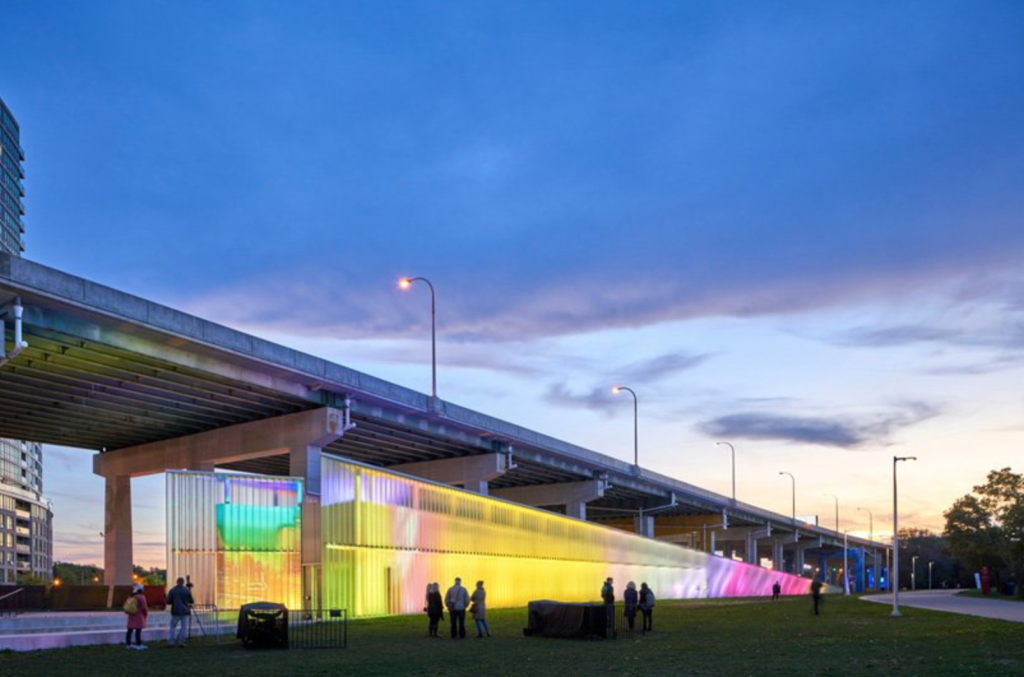
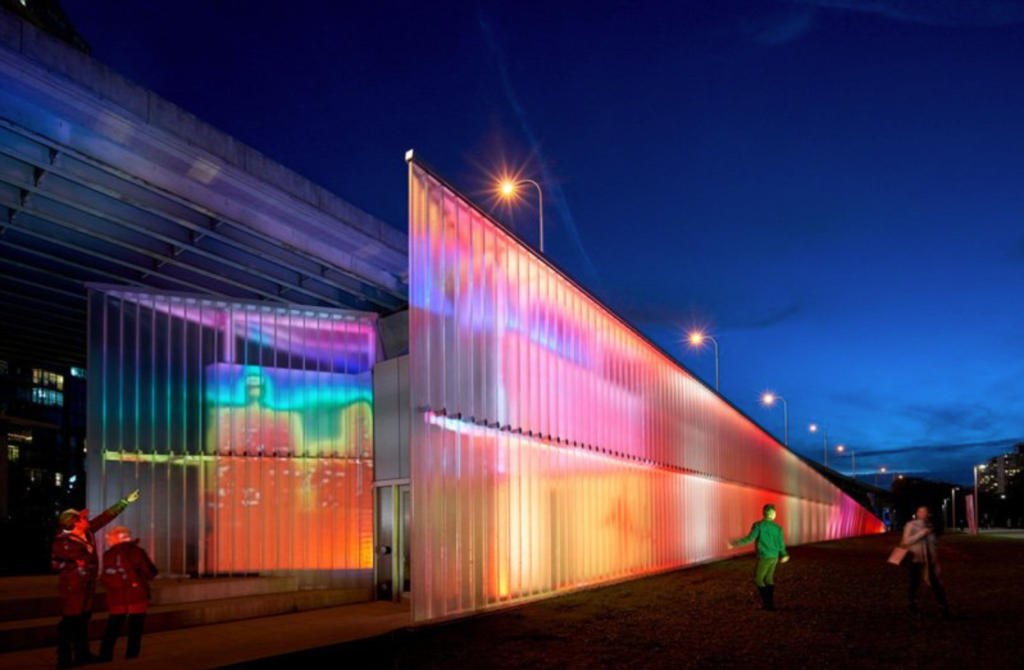
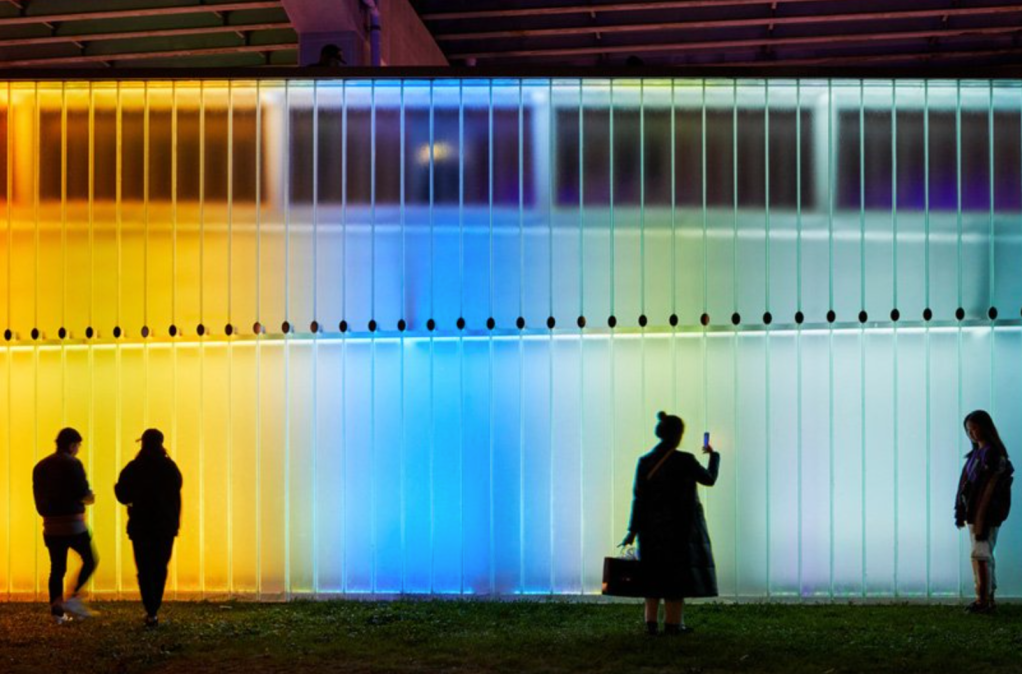
Thermally Speaking designed by Leuwebb Projects is a light installation that uses thermography and infrared measuring instruments to reveal body energy through experiential illumination. The responsive installation transformed Toronto’s York visitor centre providing a glimpse into the future of body temperature readings, creative data visualisation and surveillance fields. Thermal cameras in the area relay and translate the heat engird of visitors into a shifting curtain of light, animating the channel glass facades of the building.
I like the way people have an effect on how the installation looks and how it is ever changing. This creates an interesting display of colour for both participants and observers to enjoy.
GROW
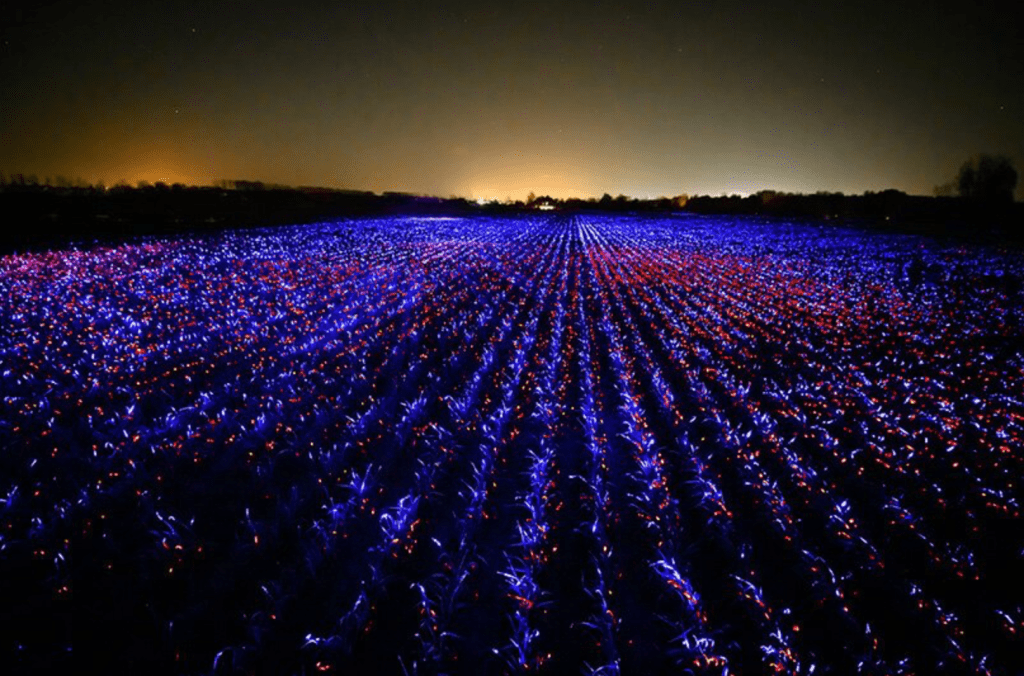
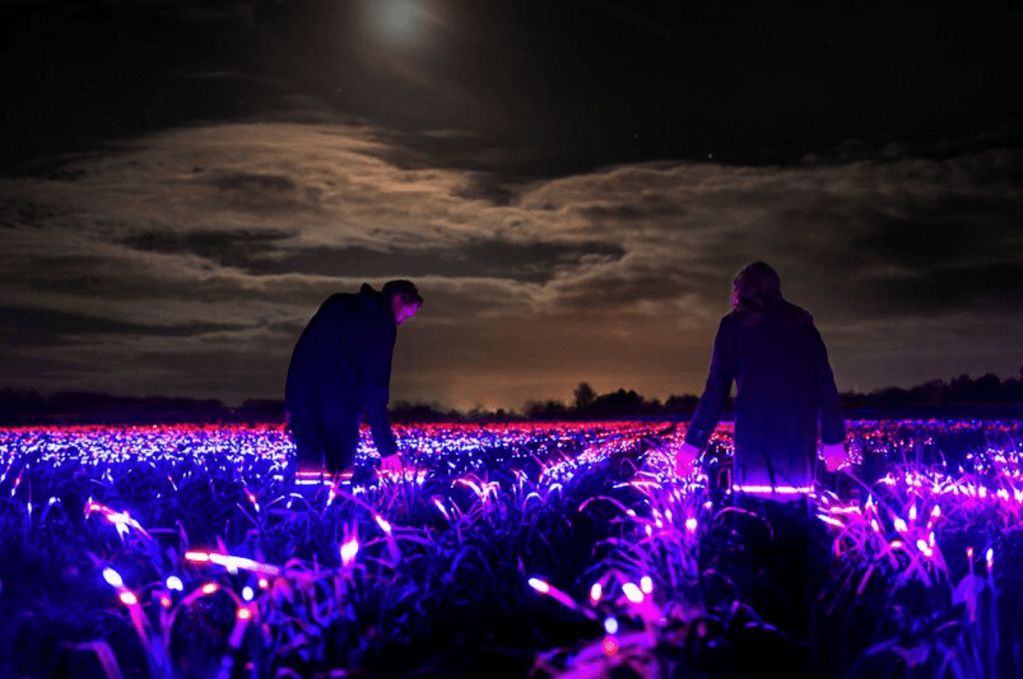
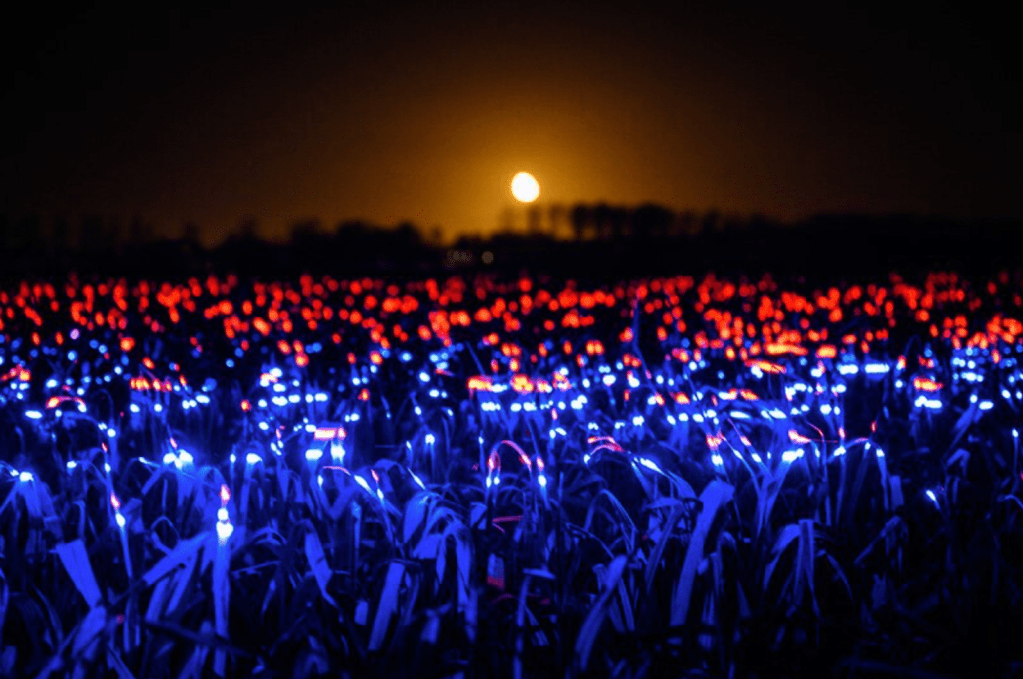
Daan Roosegaarde’s latest project GROW acknowledges the beauty and important of agriculture. The installation spreads across the 20,000m2 field as the artwork shines a light recipe across the farmland. The lighting can be enjoyed by both humans and plants as the poetic light is not only visually impressive but also enhances the plant growth while reducing the use of pesticides by 50%.
I think this design works to appreciate the importance of innovation in the agricultural system. This project not only creates a luminous dreamscape but also sends a hopeful light filled message to people. “It gives a new meaning to the work ‘agriculture’ by reframing the landscape as a living cultural artwork.
After analysing this design I have begun to think about the effects artificial lighting has on plants. This will be something I need to research. What type of plants will be affected by lighting in the Wintergardens? Like the design above how could my installation benefit the surrounding plants, celebrating their beauty.
Ecological effects of artificial light:
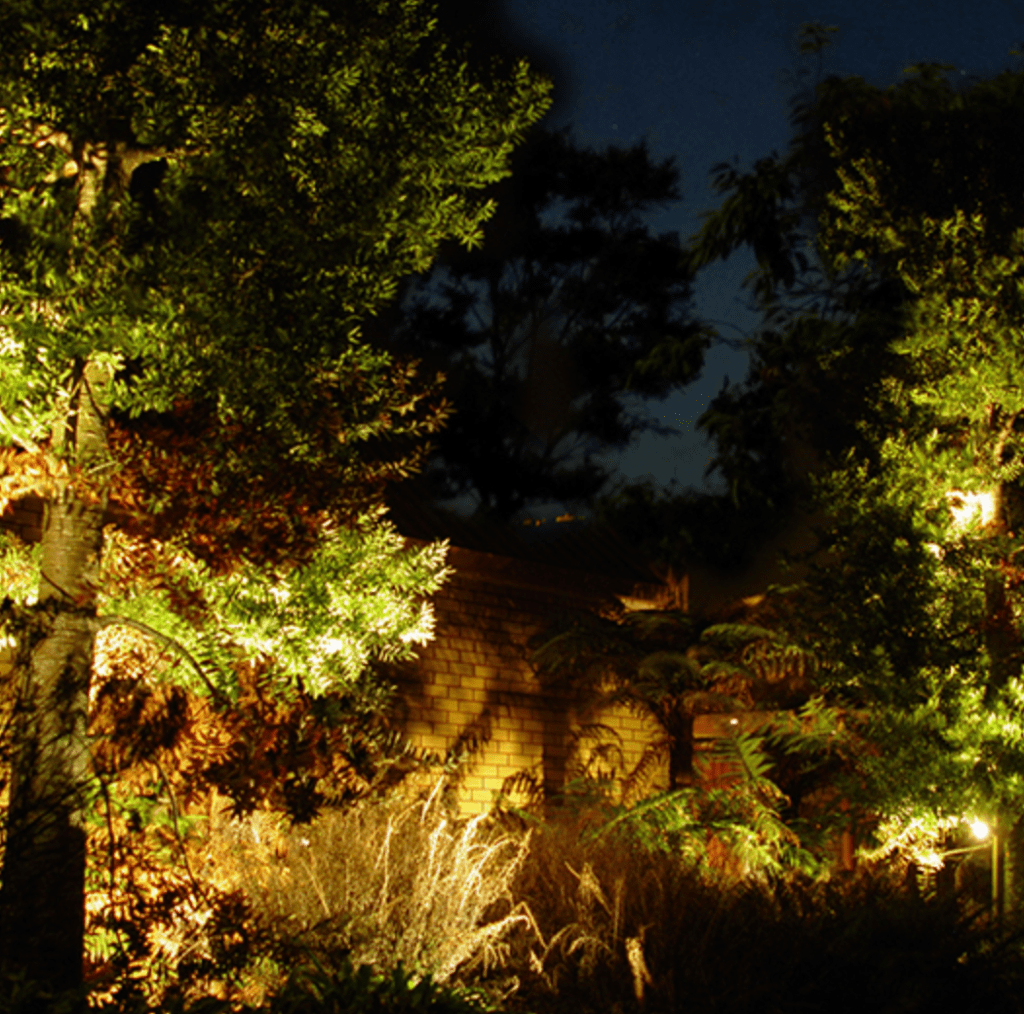
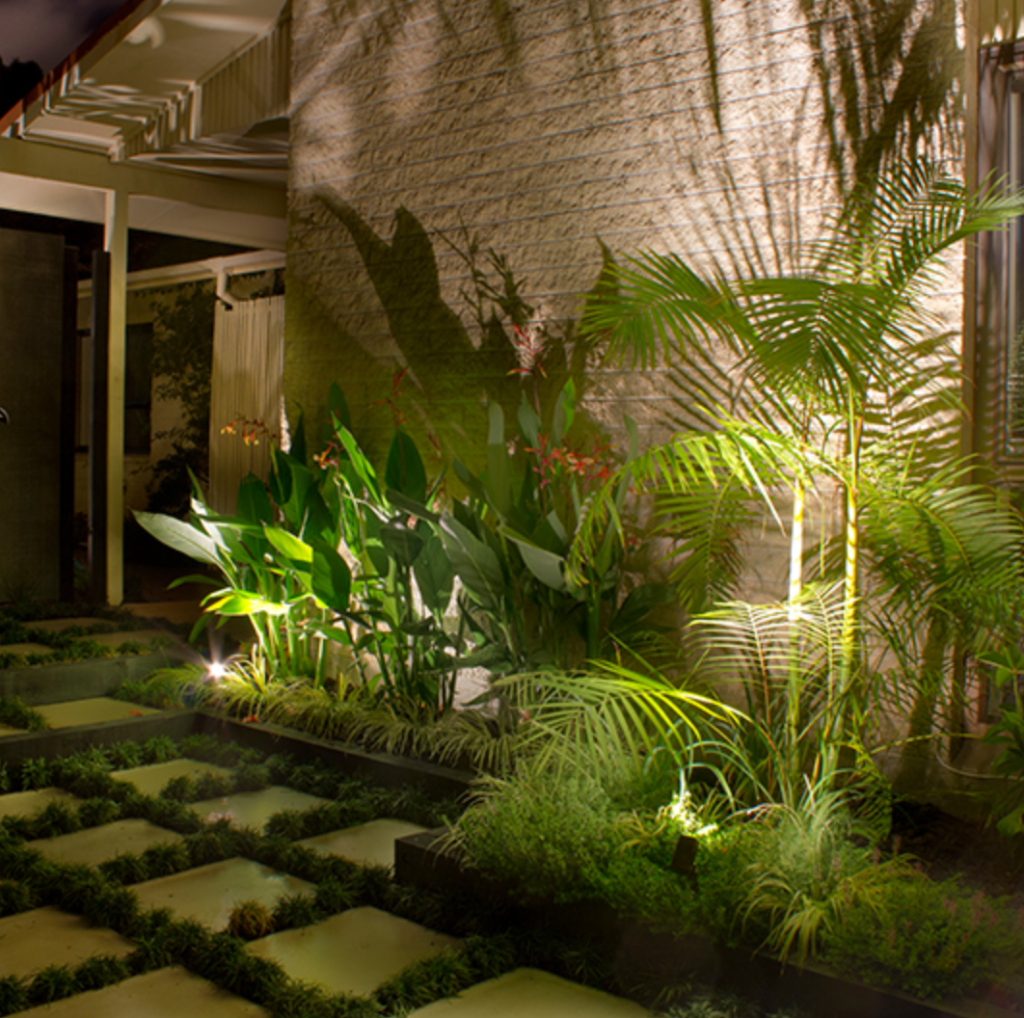
Light is a vital requirement for plants as it is necessary for photosynthesis and for their growth form. Natural light varies daily and seasonally, artificial light sources can interrupt the natural cycle. When creating a lighting design within a garden I need to be careful with the type of effects artificial light could have on the surrounding plants. Colour and temperature also play a key role in how different plants may react to new, unusual light sources. Because of this I looked into the different types of artificial light and the benefits they may or may not have a plants.
- Fluorescent lights are by far the most economical and easy choice. They come in tubes or compact bulbs and they’re cool enough to put close to plant foliage. For maximum effect, position fluorescents about a foot away from plant foliage.
- Incandescent lights give off a lot of heat and should be placed farther away from plant foliage. Incandescent bulbs give off more red wavelengths, so they can be used to supplement fluorescent light and balance out the spectrum, especially if you’re trying to encourage plants to bloom.
- LED lights are also a low heat, energy-efficient artificial light source. Because LED technology is so customisable, every bulb is different, so it’s important to make sure the bulbs chosen are producing the blue and reds necessary for plants.
- Halogen lights can also provide full-spectrum light, but like incandescents they put off a lot of heat and are less energy-efficient than fluorescents.
Plants also react differently to different colours of light. The reason for this is the colours in light have different wavelengths that vary in length providing different levels of energy. The highest energy light is at the violet end of the spectrum. Violet has short wavelengths, thus lots of energy. At the other end of the spectrum is red light which has long wavelengths and emits lower energy. Regardless of the colour of the light plants will still absorb some amount of energy from the light it is receiving. Along with different colours producing different amounts of energy they can also help plants achieve different goals. Through research and experimentation is has been proven that blue light encourages vegetive growth and when combined with red allows plants to flower. Experimenting with this colour combination within the Wintergardens could be interesting. Possibly seeing if plants could flower out of season?

Week 7: Presentation Prep
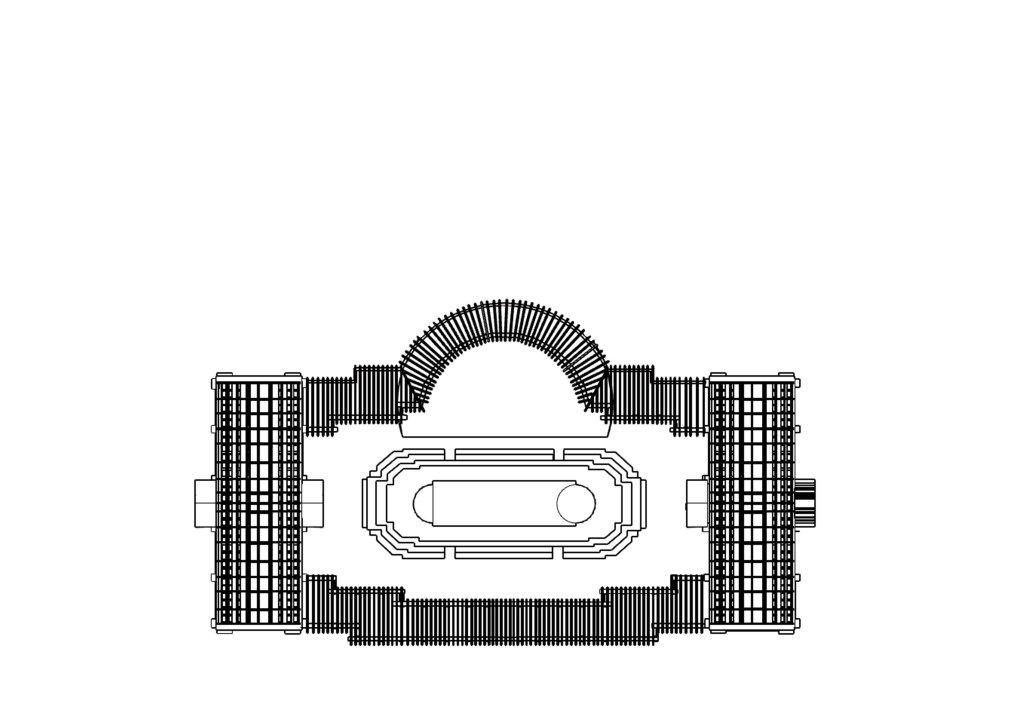
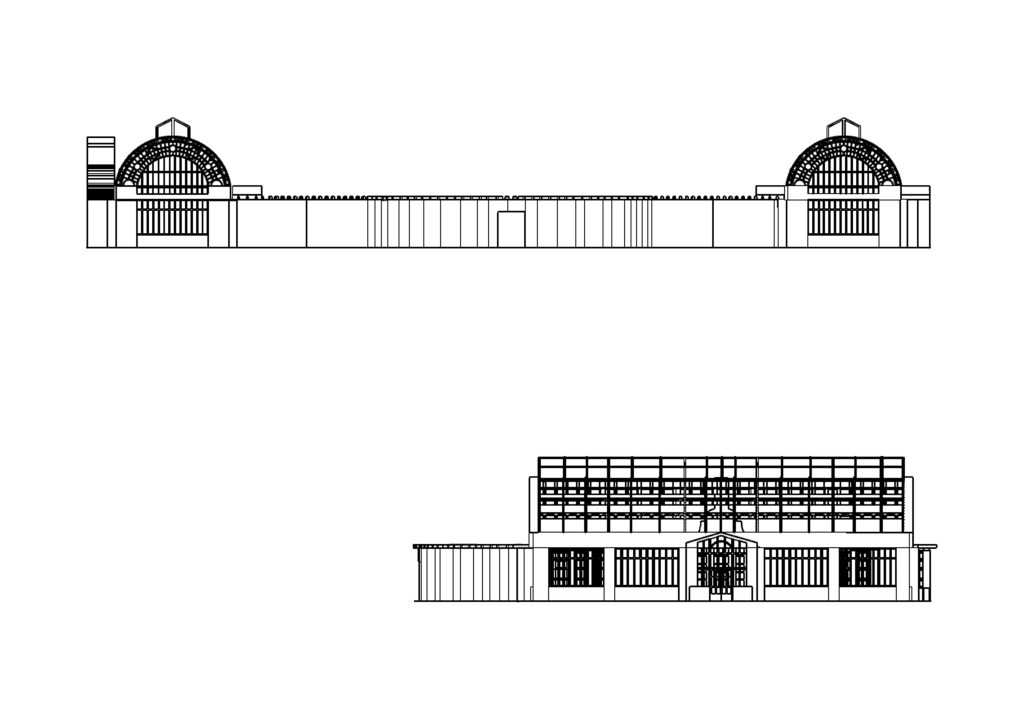
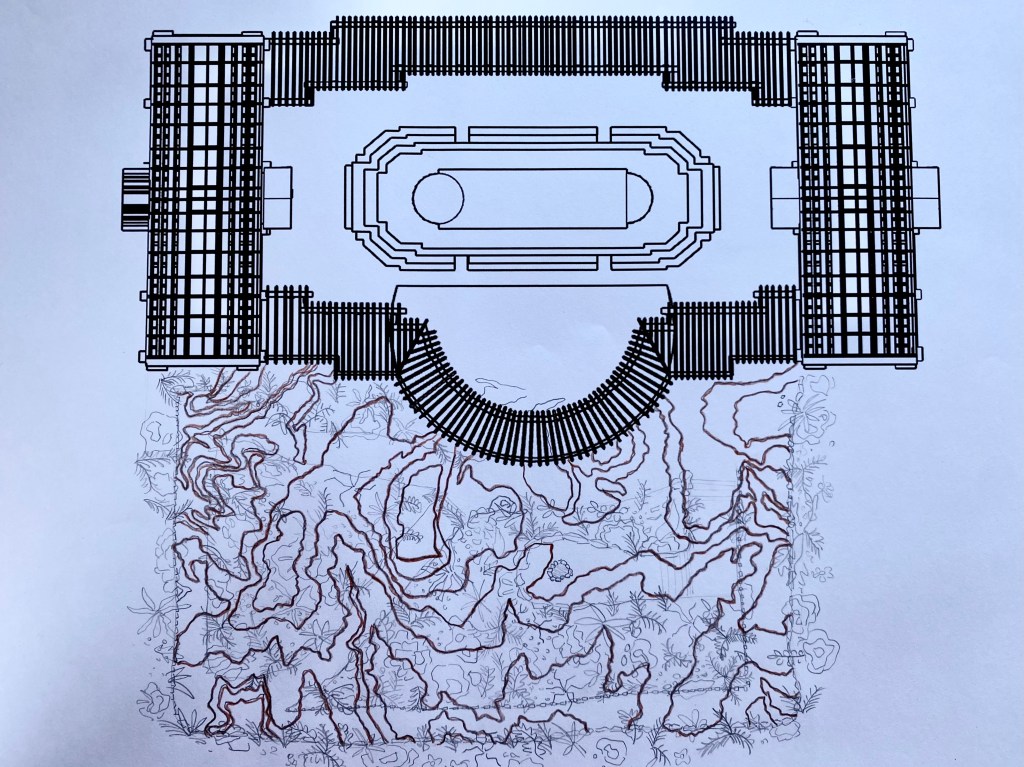
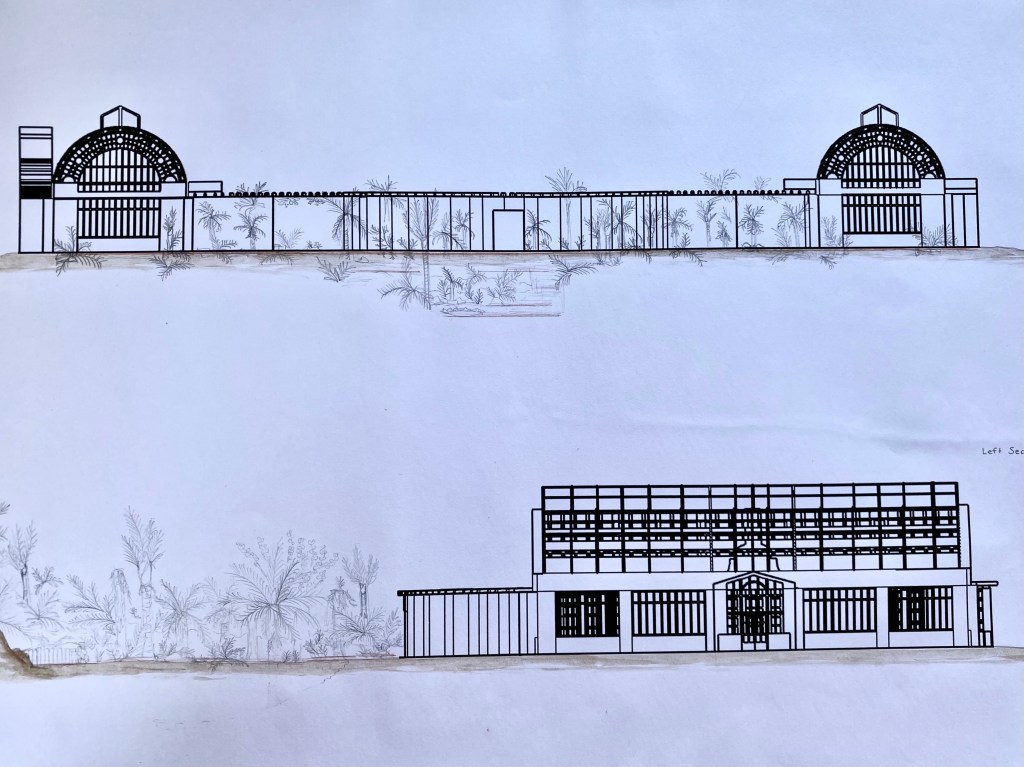
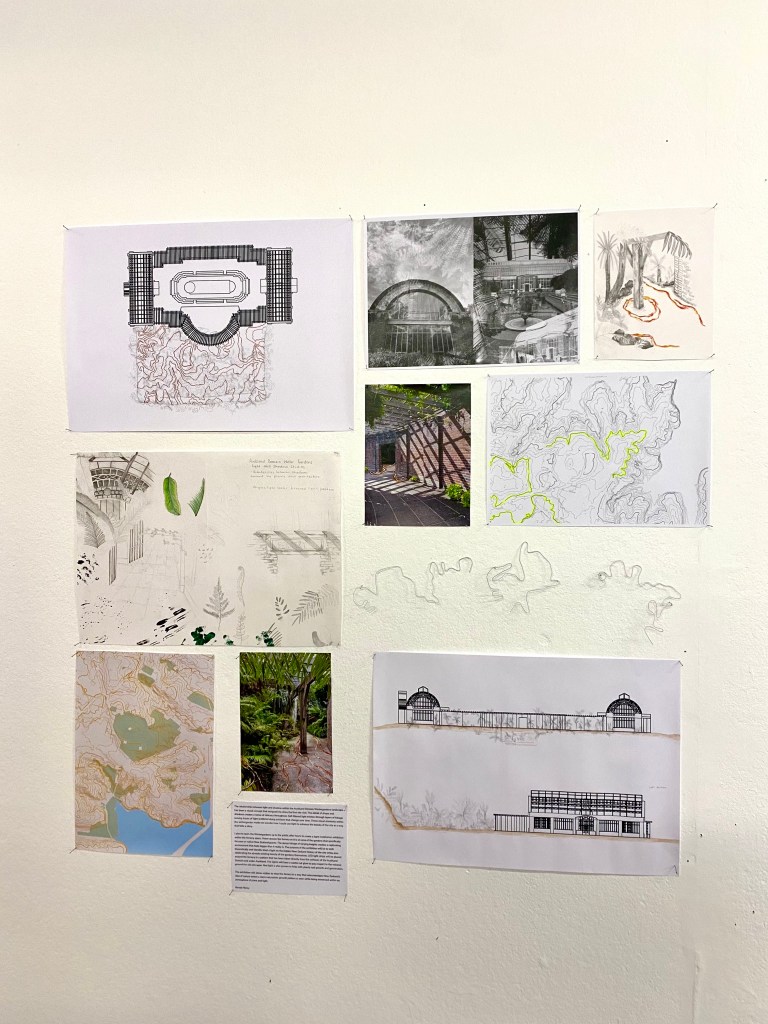
For the upcoming presentation in week 8 I chose to develop both plan and section drawings digitally that I could then sketch my design idea onto. I also created some simple perspectives of my design idea through both sketching and painting onto photographs I had taken of the site. I created some simple wire models of some of my chosen contours to give the viewers and idea of the physical look of the fluorescent tubes.
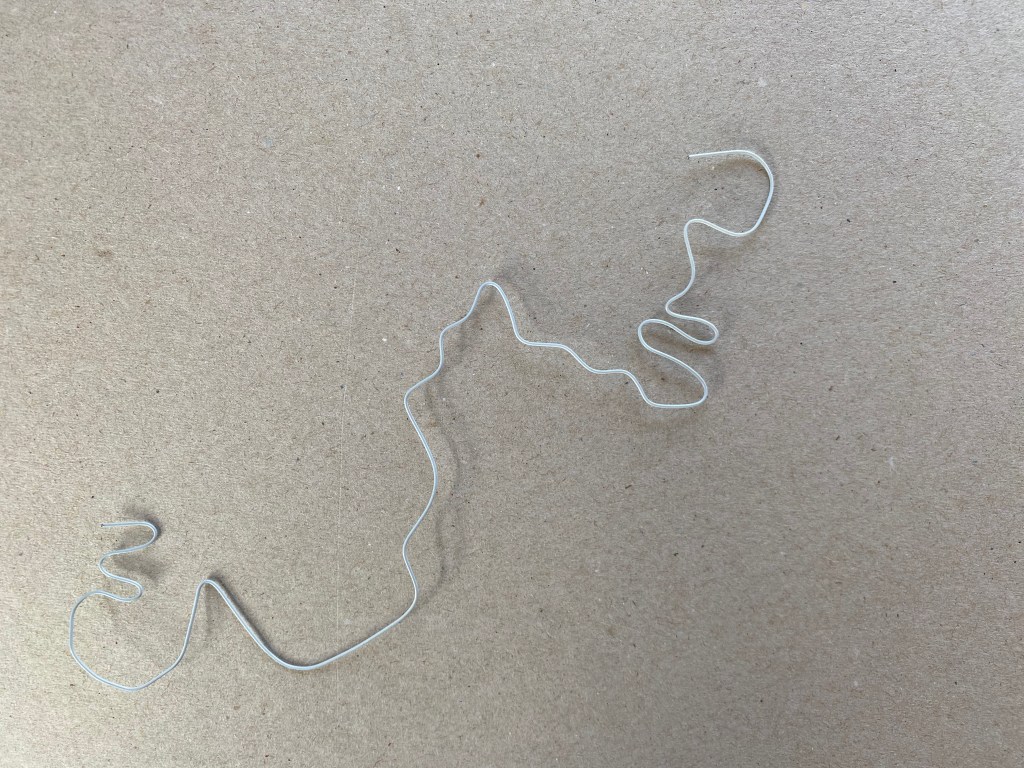
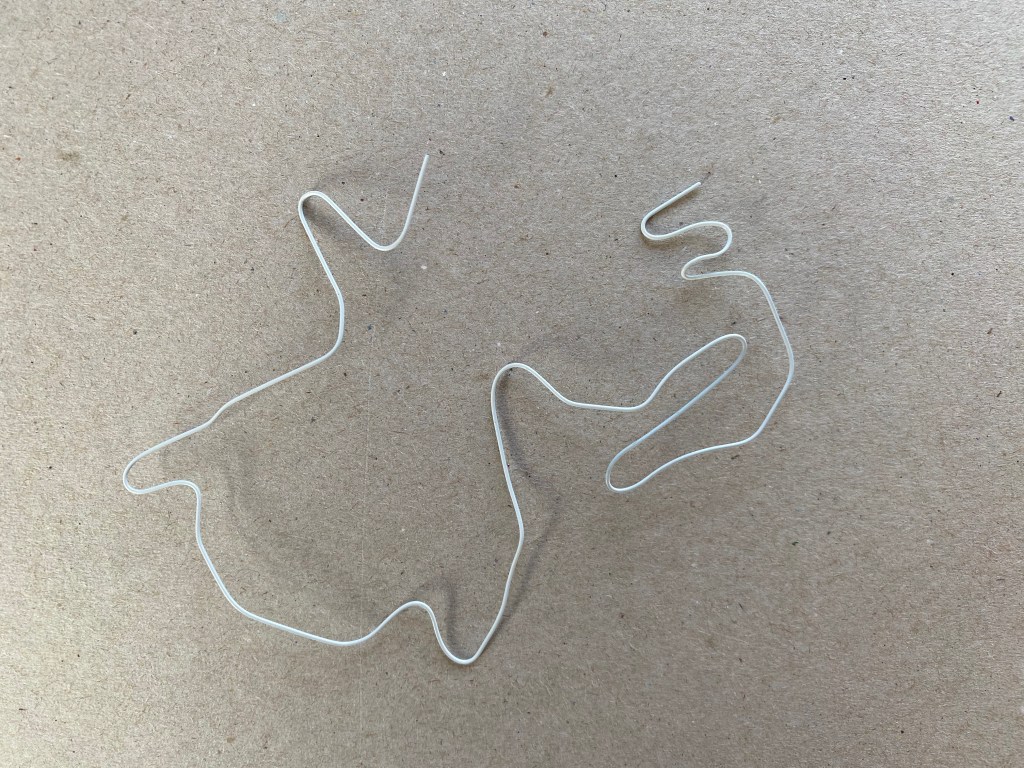
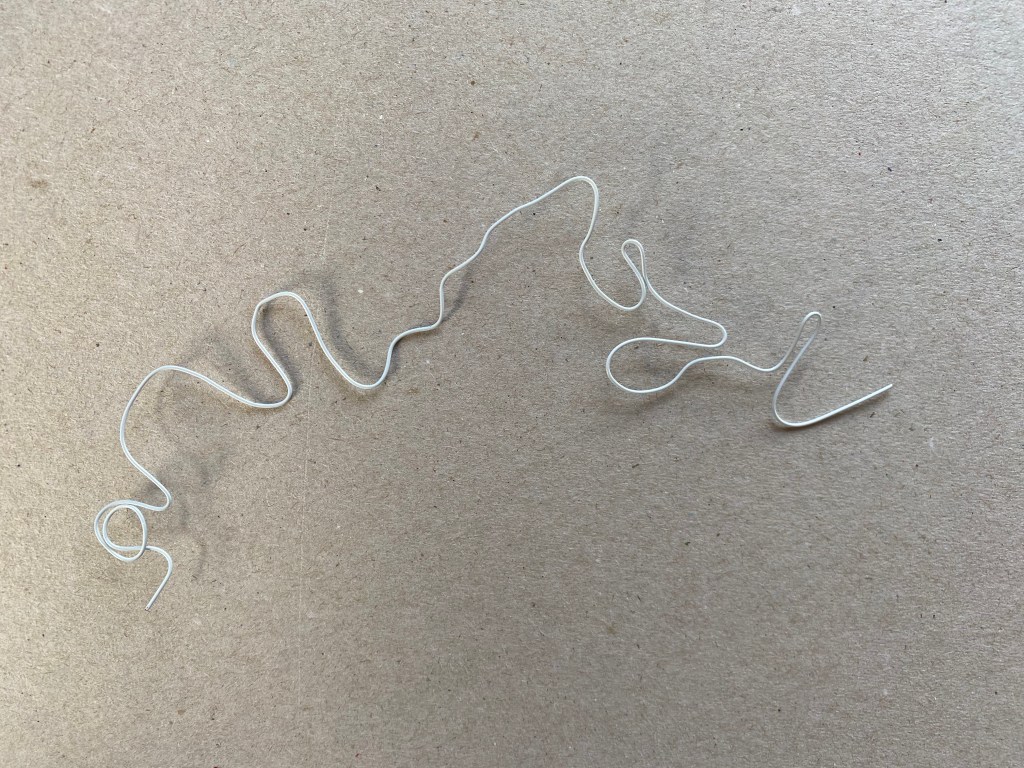
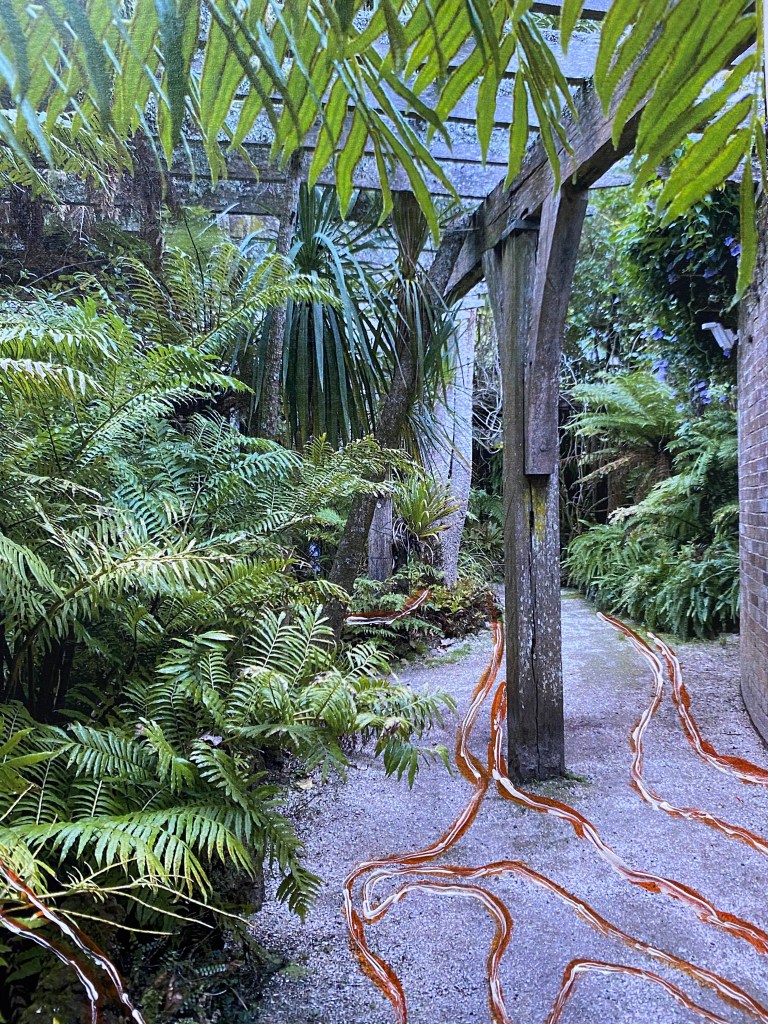
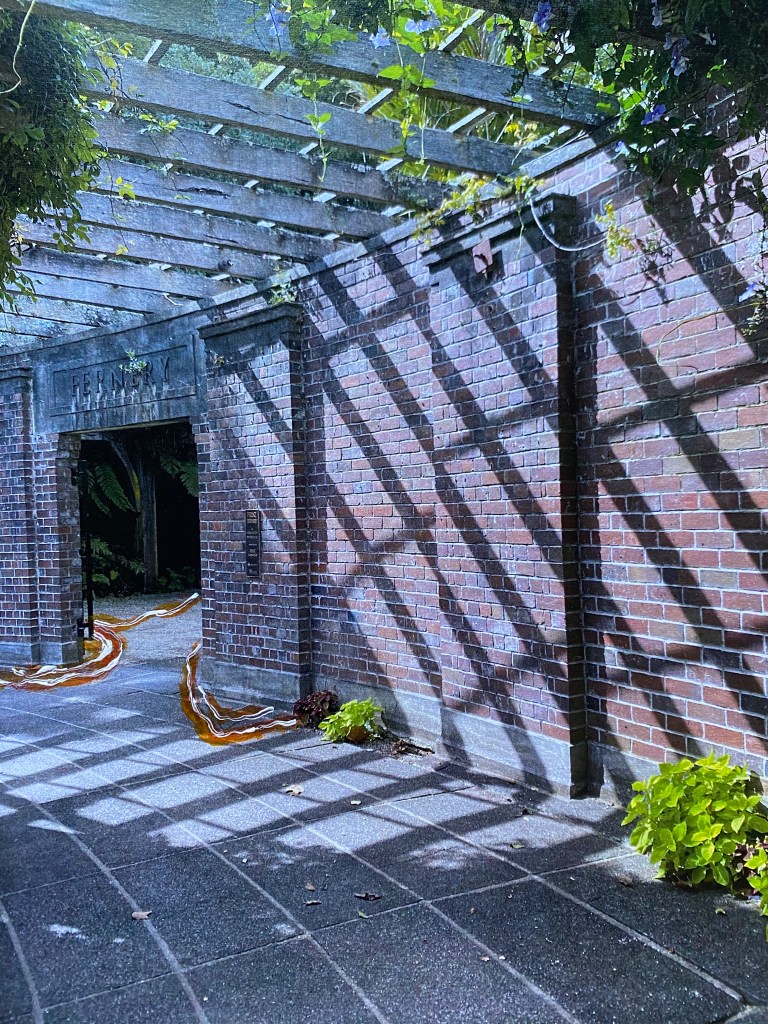
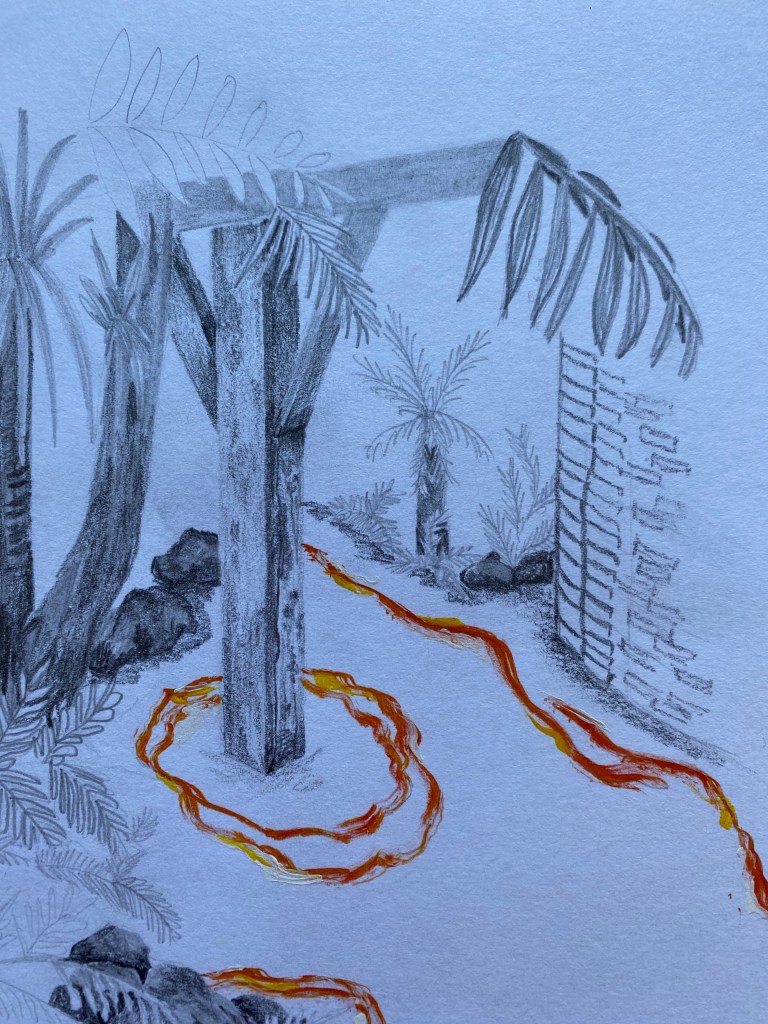
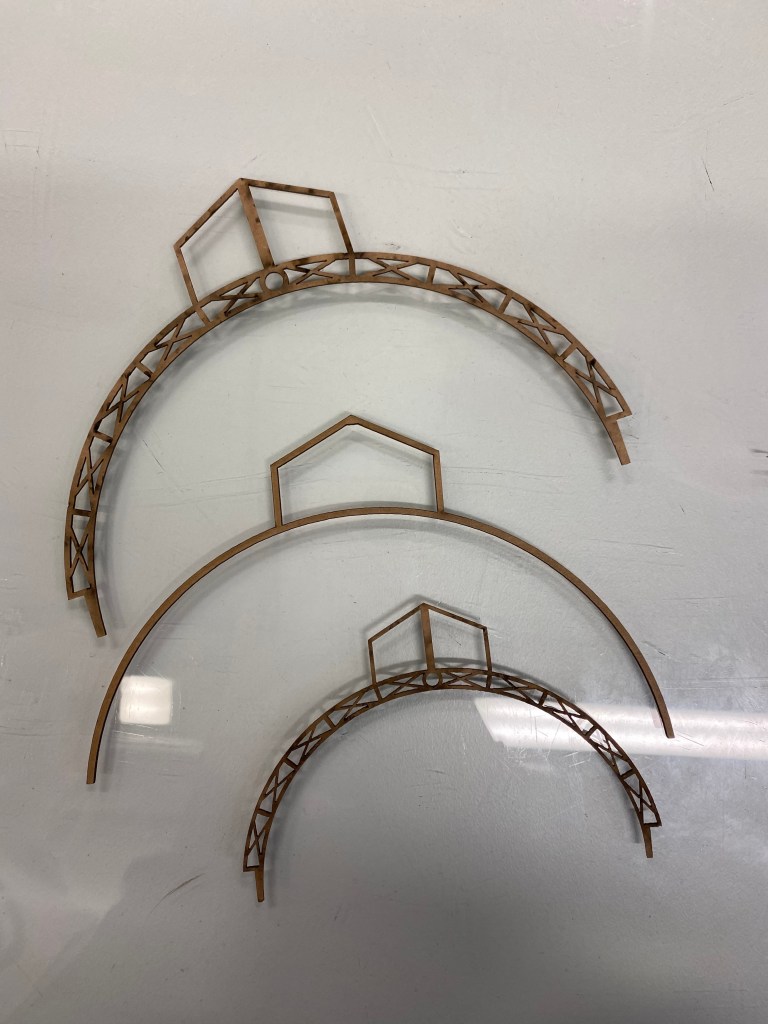
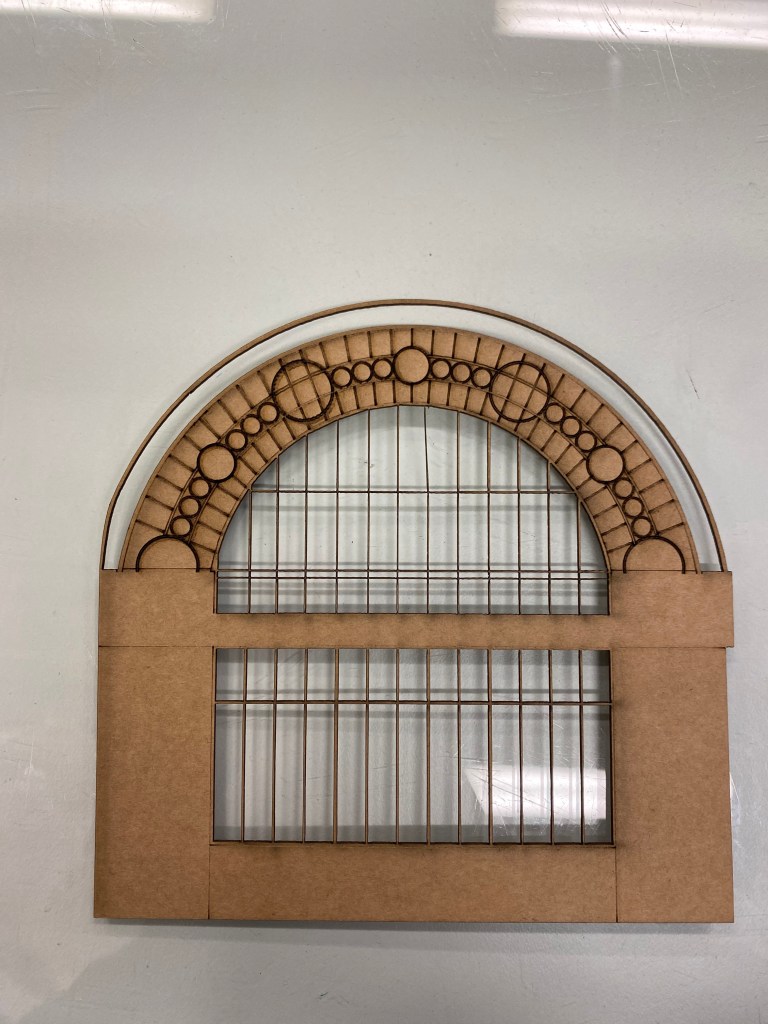
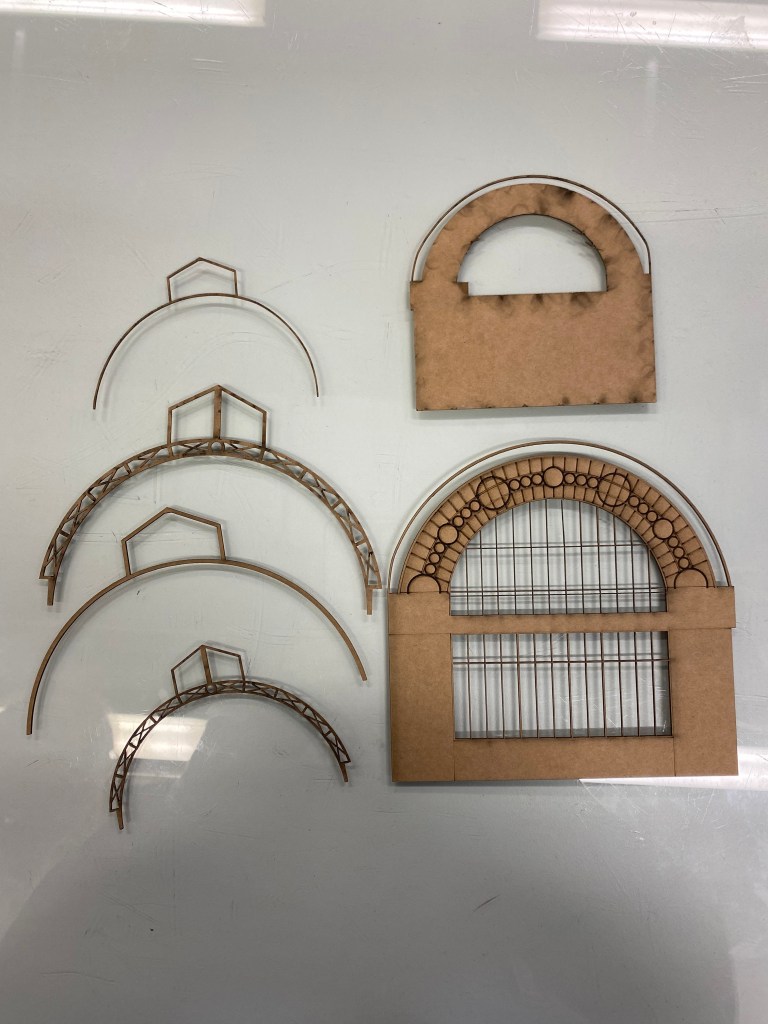
I also spent some time in the laser cutting studio with my study group to learn more about the process. We developed model cut outs for the glass house and courtyard areas.
Week 8: Presentation
Abstract for formative presentation:
The relationship between light and shadow within the Auckland Domain Wintergardens landscape has been a visual concept that intrigued me since the first site visit. The detail of shape and shadows creates a sense of delicacy throughout. Soft filtered light trickles through layers of foliage leaving traces of light scattered along surfaces that change over time. These visual elements within the wintergarden made me wonder how I could use light to enhance the beauty of the site in a way that tells a story. I plan to open the Wintergardens up to the public after hours to create a light installation exhibition within the fernery space. I have chosen the fernery as it is an area of the gardens that specifically focuses on native New Zealand plants. The dense foliage of varying heights creates a captivating environment that feels bigger than it really is. The purpose of the exhibition will be to both theoretically and literally shed a light on the hidden New Zealand history of the site while also celebrating the already existing beauty of the gardens themselves. Fluorescent light strips will be placed around the fernery in a pattern that has been taken directly from the contours of the Auckland Domain and wider Auckland. This design celebrates the significance of the land the site sits upon as its one of the oldest parks found in Auckland. The lights will have a subtle red glow to pay respect to the volcanic ground the site has been built upon. Red light is also proven to help with plants root growth and germination. The exhibition will allow visitors to view the fernery in a way that acknowledges New Zealand’s idea of nature where a more naturalistic growth pattern is seen while being immersed within an atmosphere of plant and light that recognises the significance of the indigenous history of the site.
Points from feedback: Although there were some interesting lines that I had chosen from the contour plan I was told that there is not a clear connection to how they relate to the Winter Gardens. Moving forwards I need to continue my design development to create more iterative designs that speak to my concept. I also need consider how the lighting is fixed and placed throughout the fernery. Further questions I need to ask are what does it mean to light up a space? And what effect may this have on the plants themselves.
Week 9: Modelling
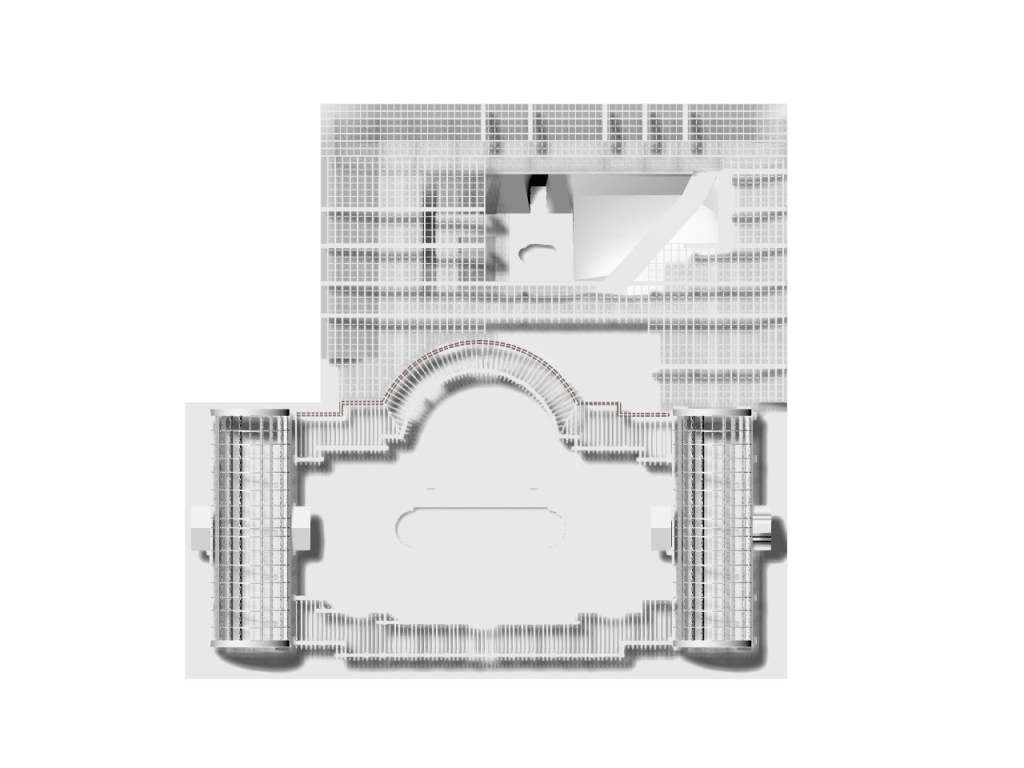
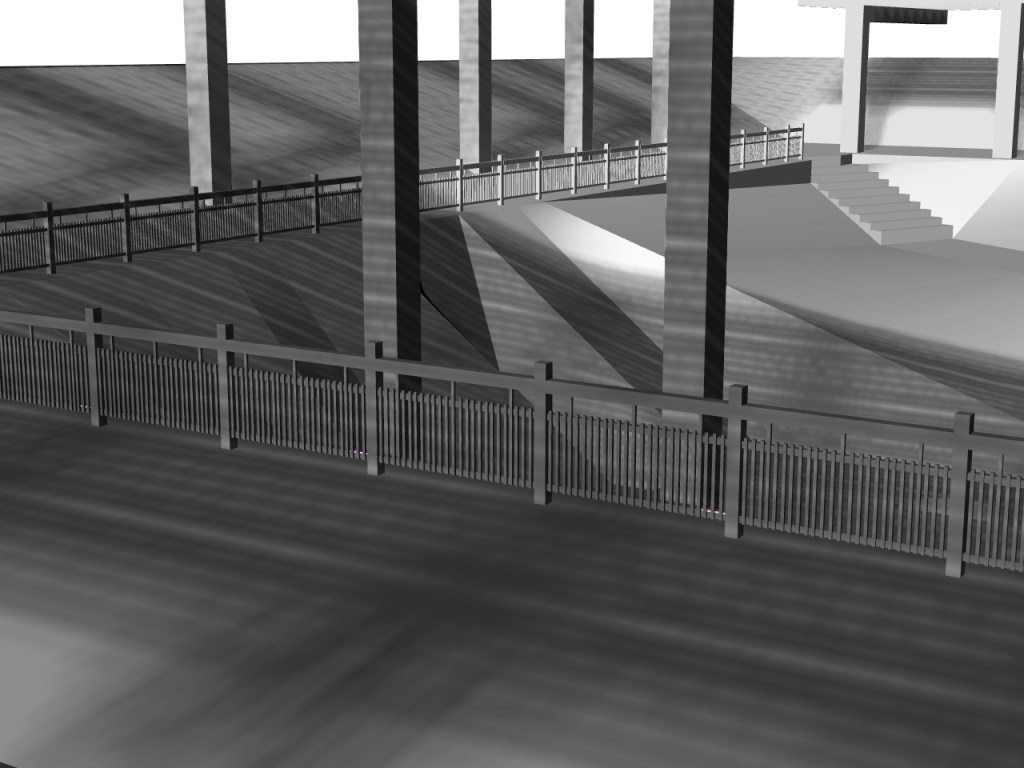
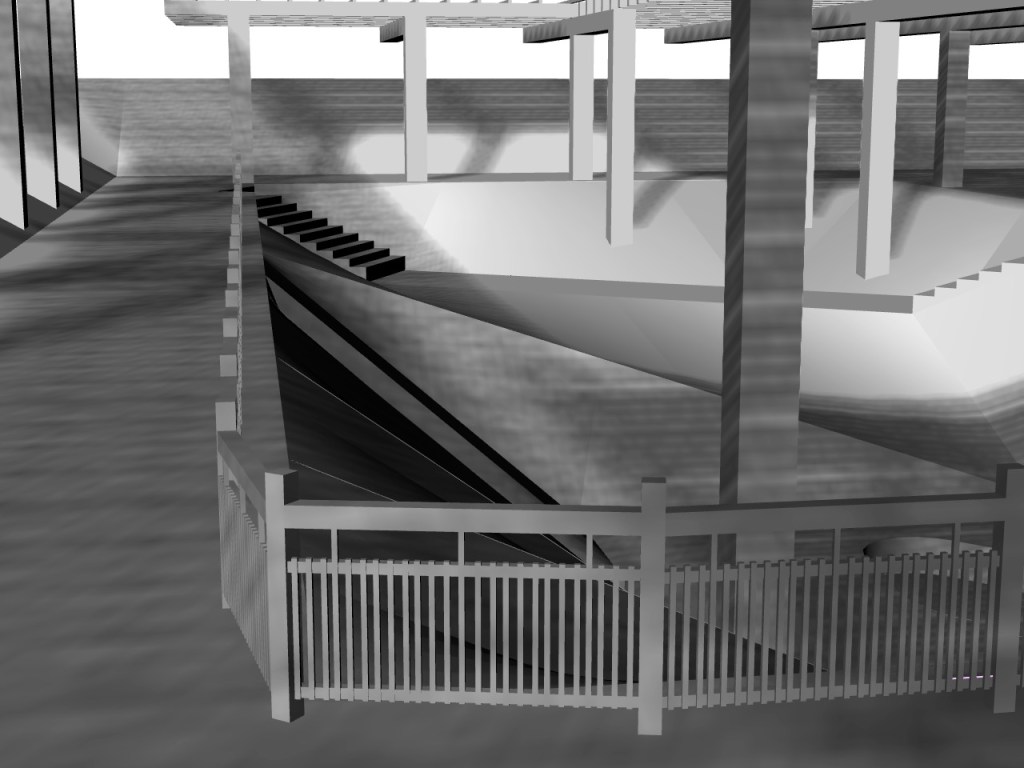
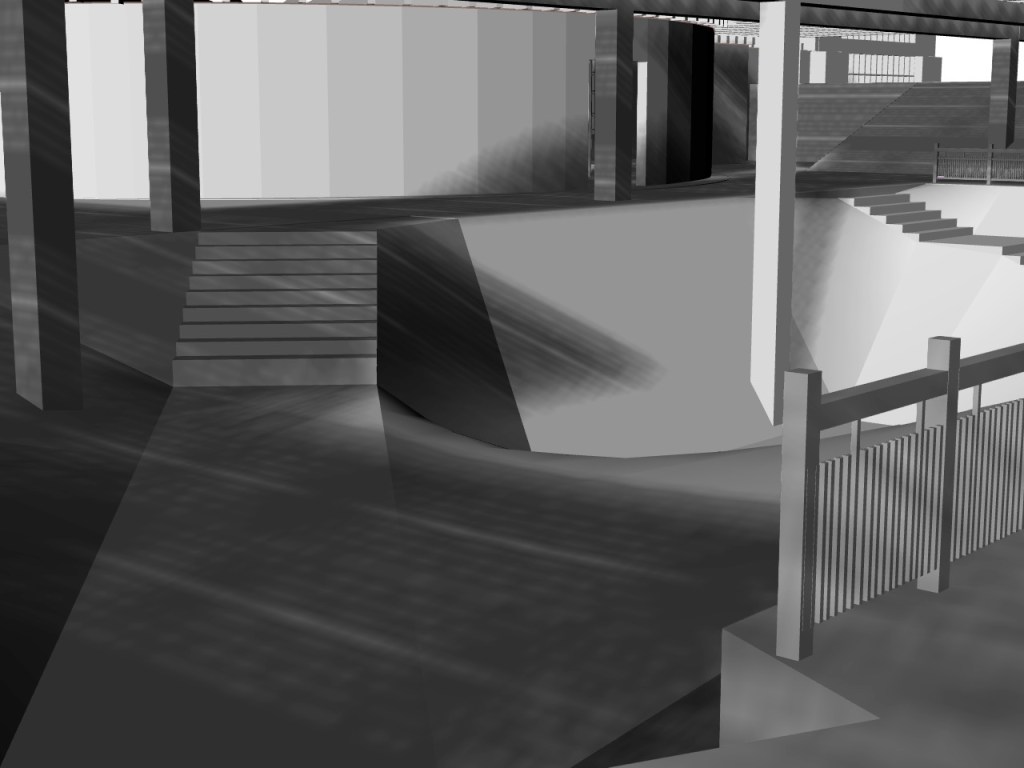
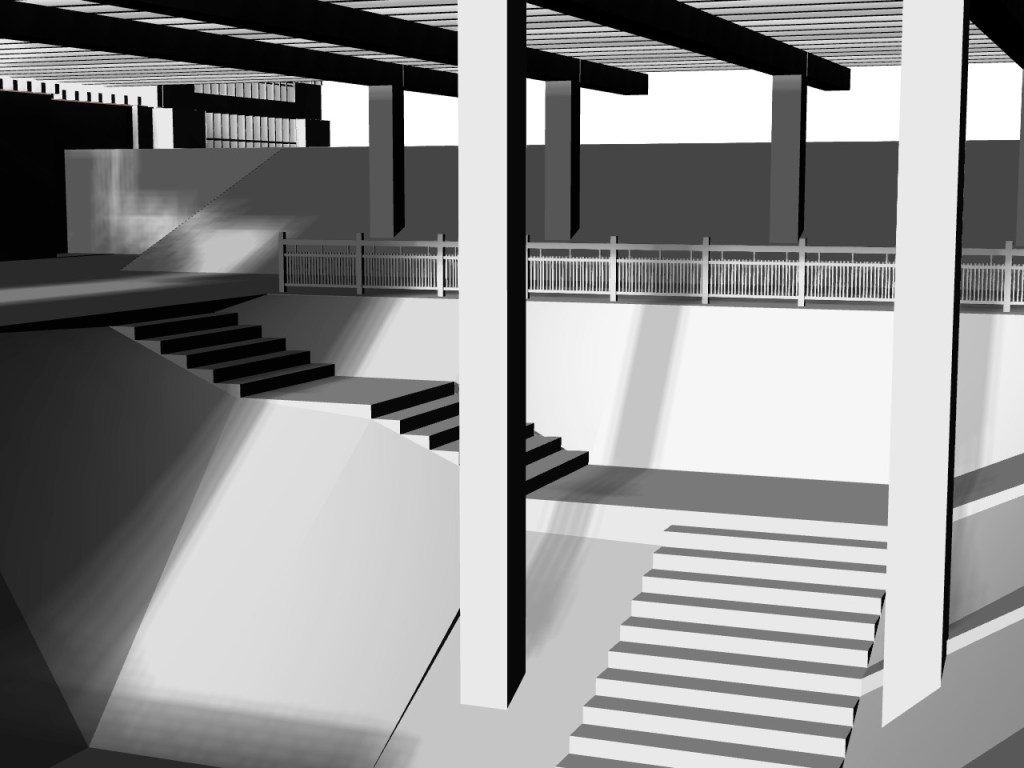
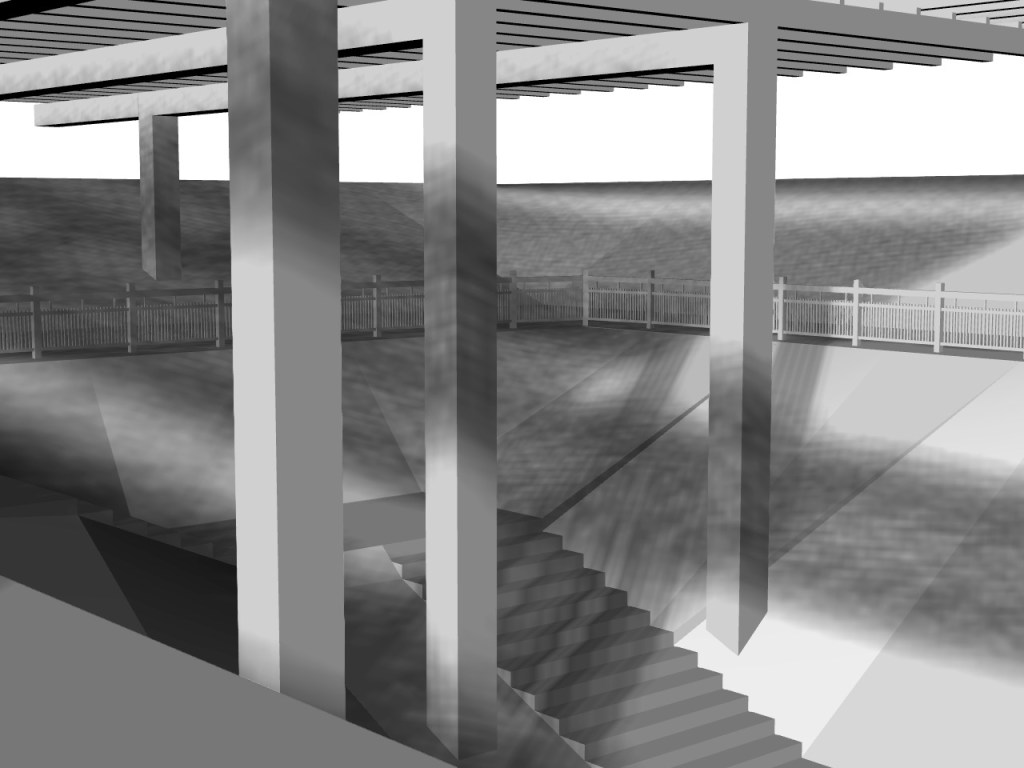
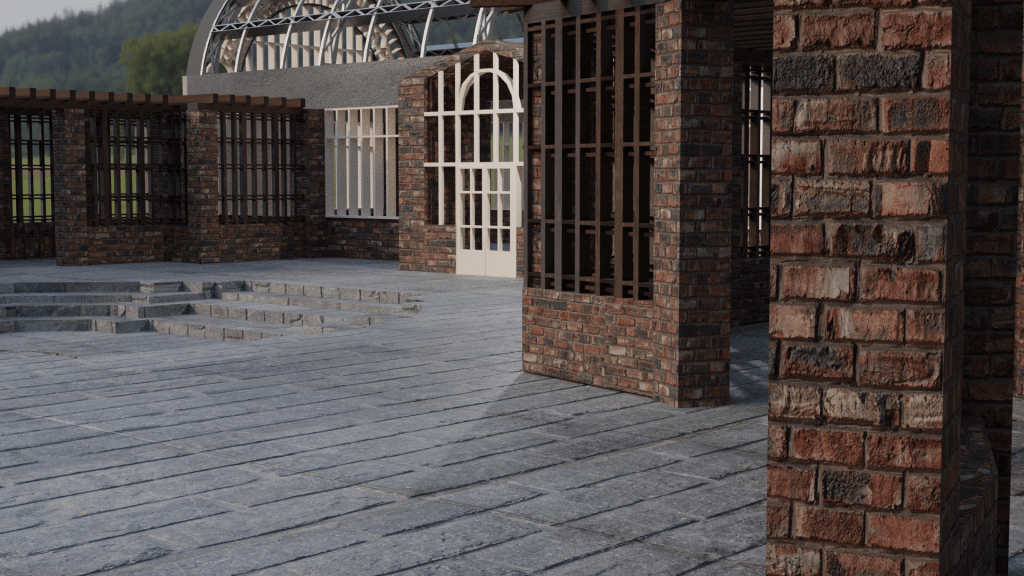
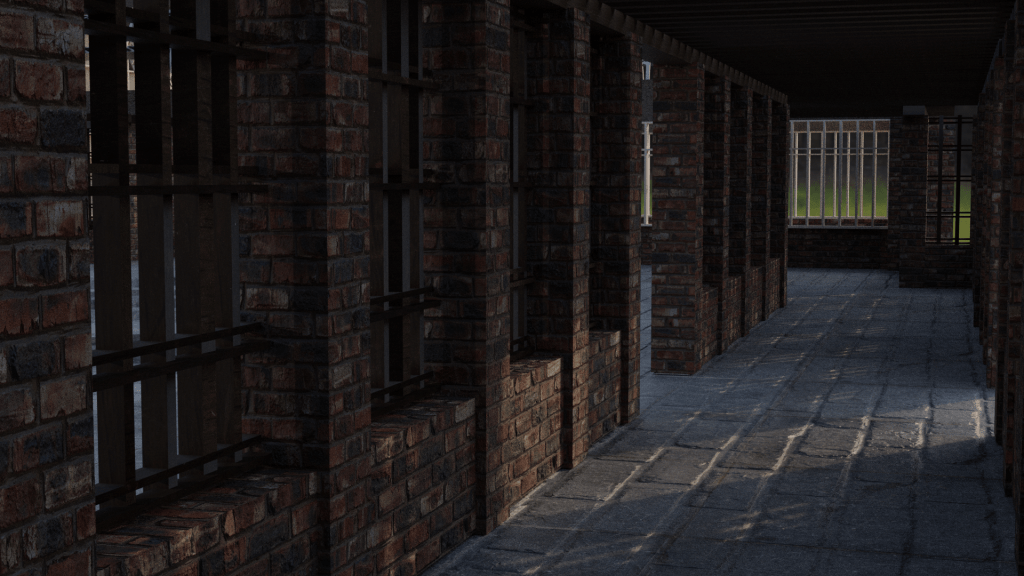
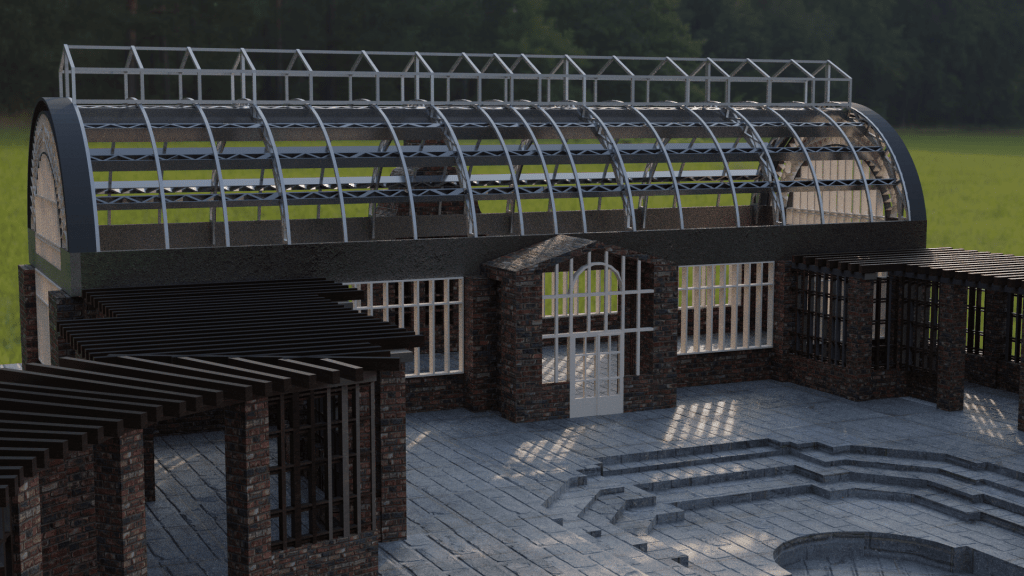
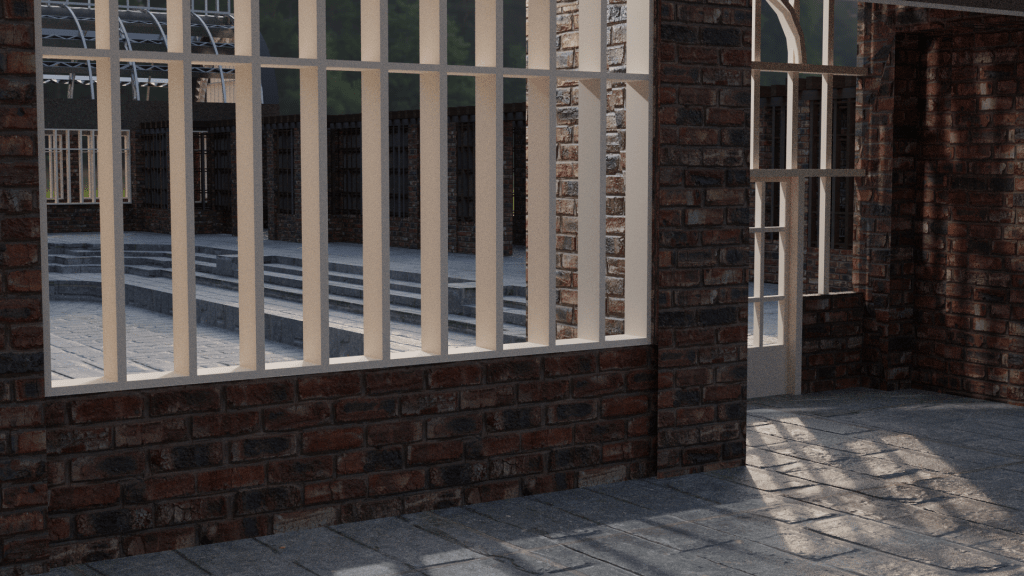
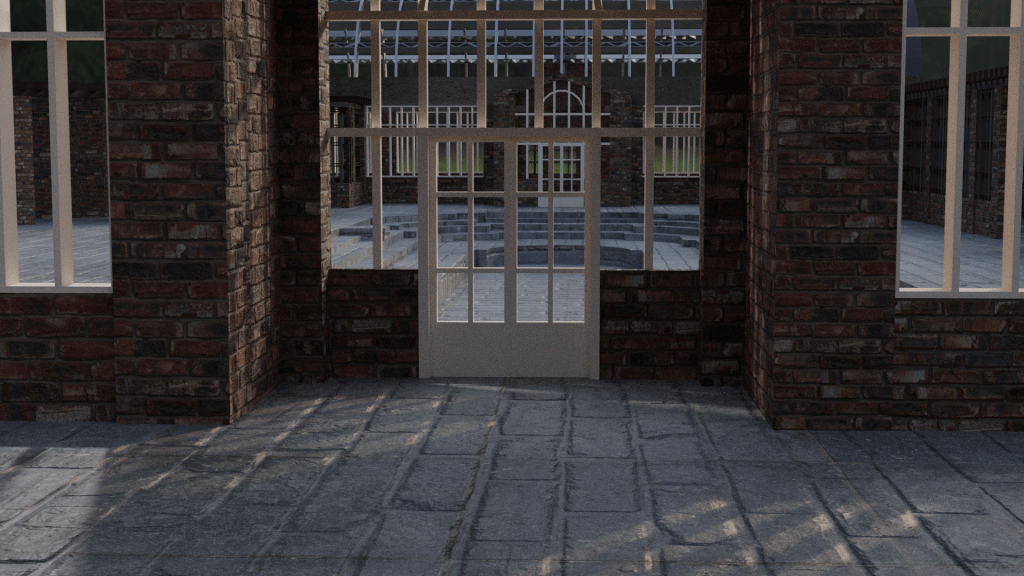
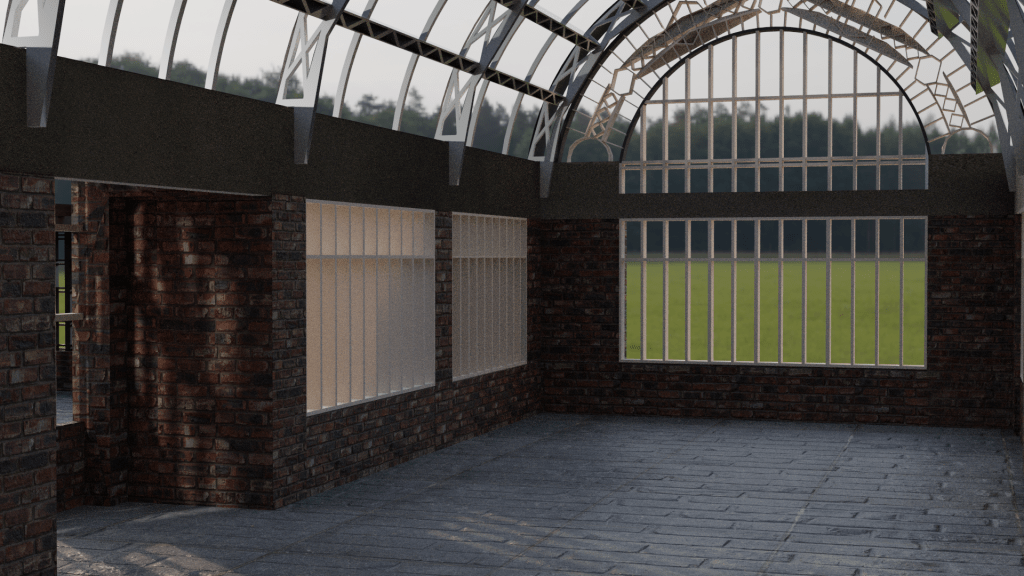
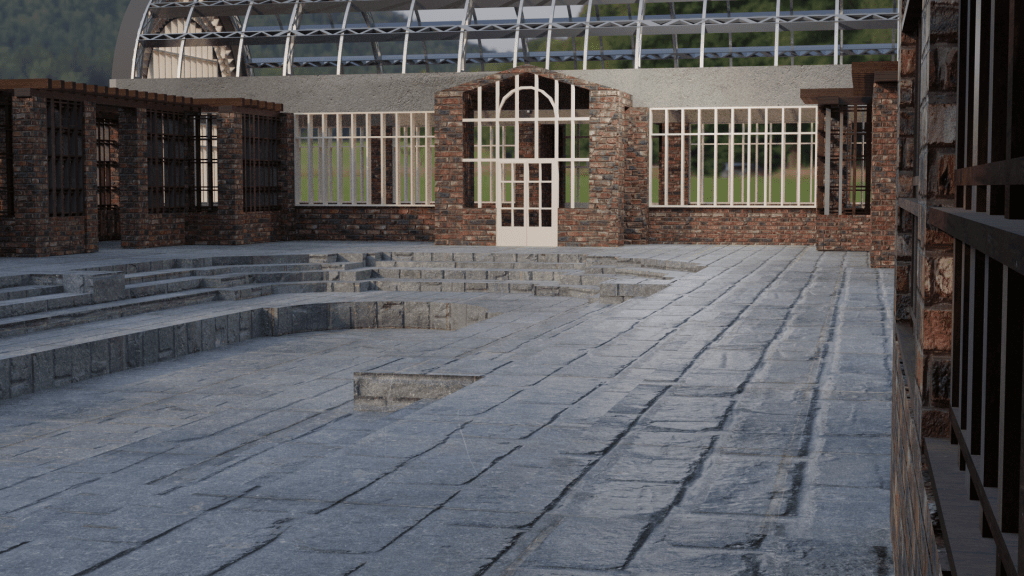
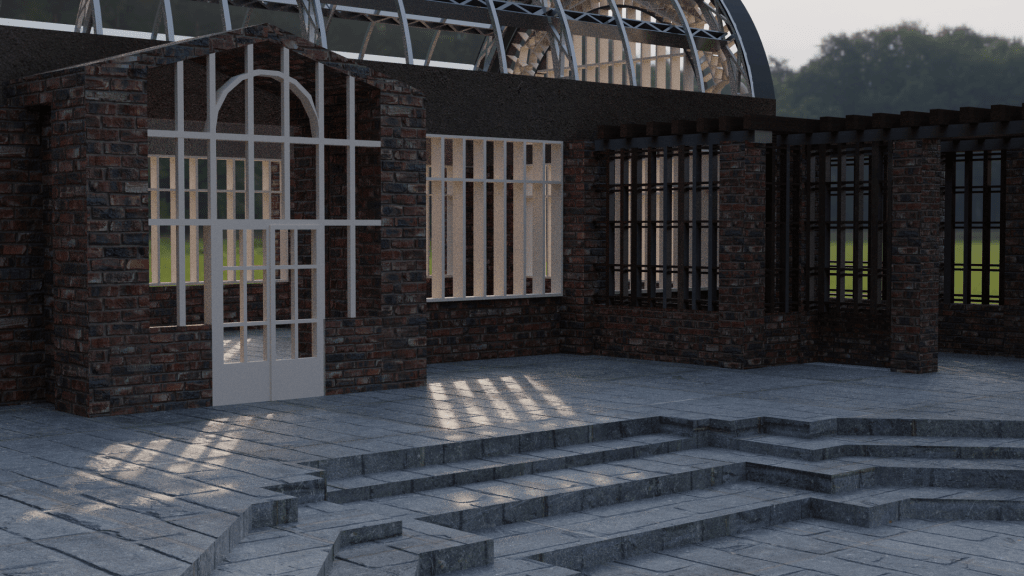
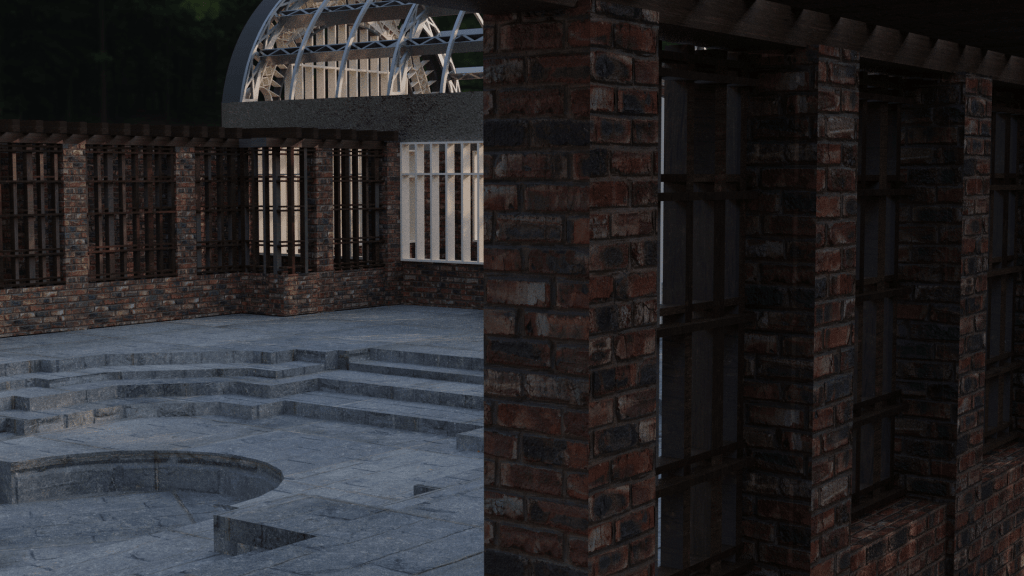
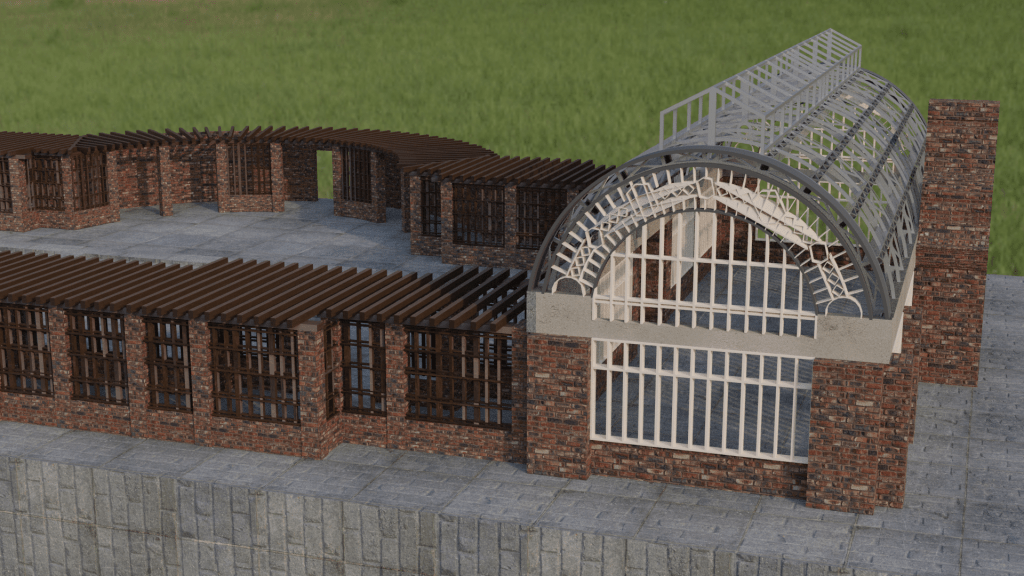
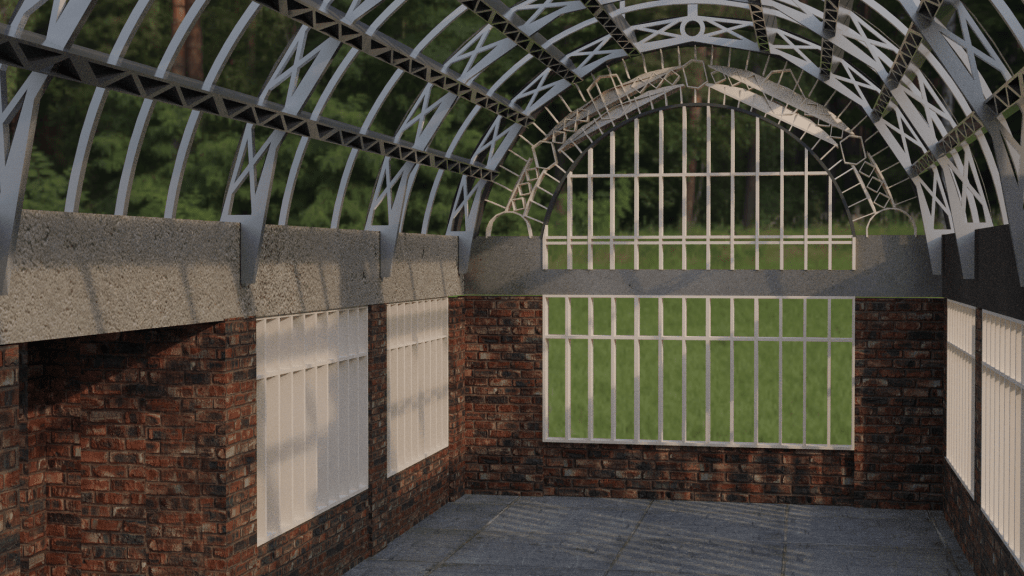
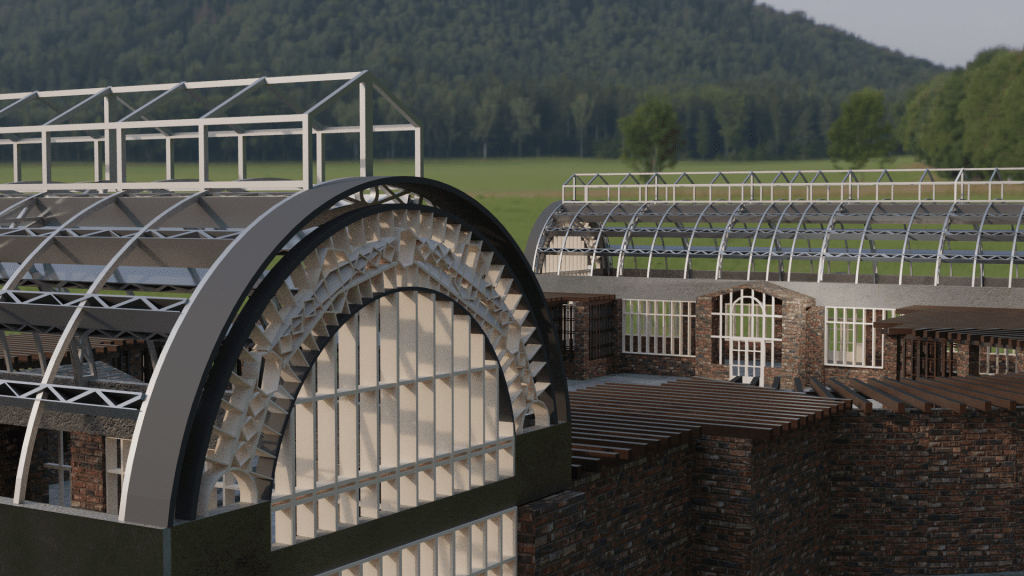
This week I revisited the Winter Gardens to grasp a better understanding of the scale of the fernery. Due to this being my chosen area of the site I plan to develop an accurate digital representation to generate perspectives, plans and sections from for my presentation.
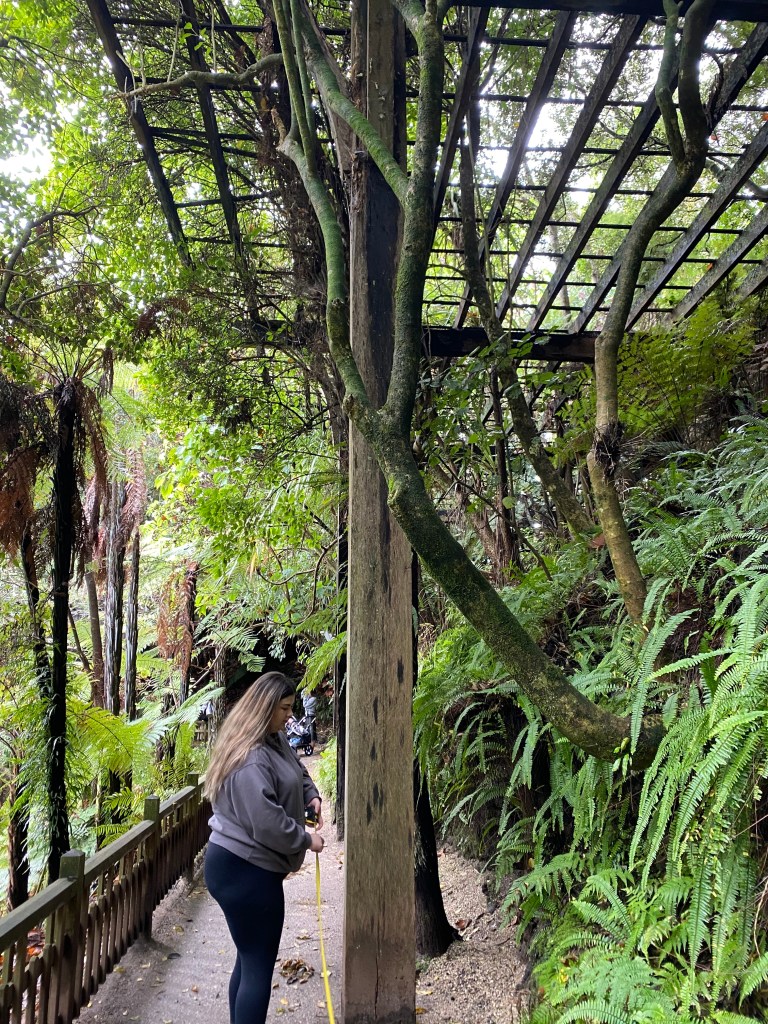
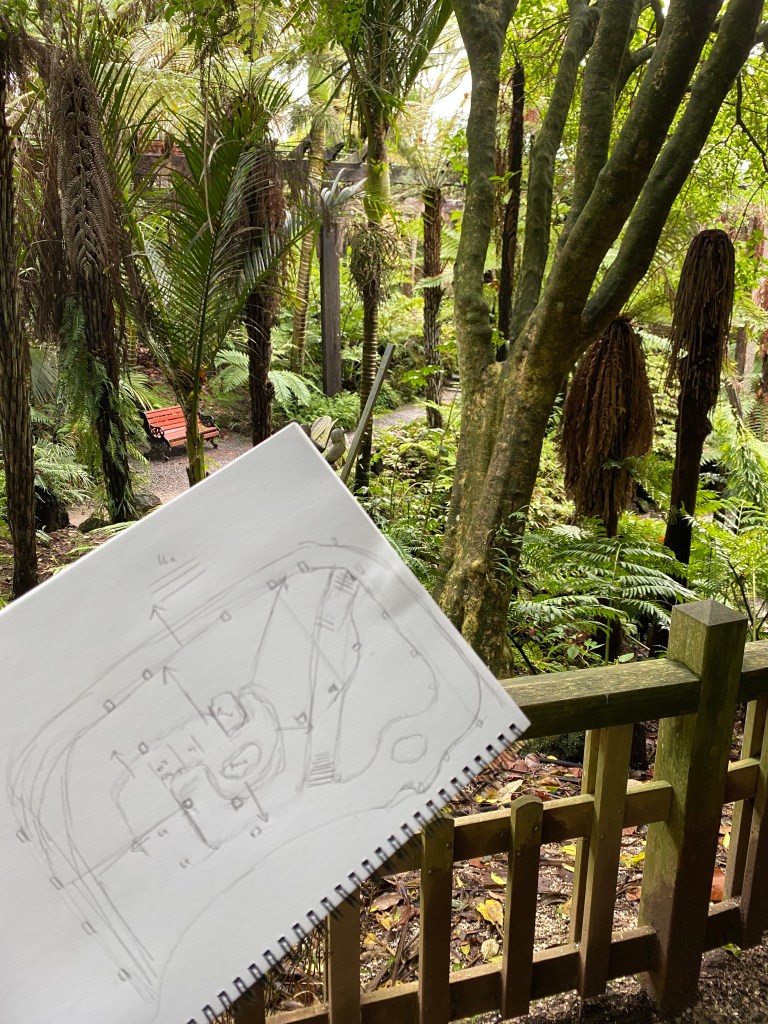
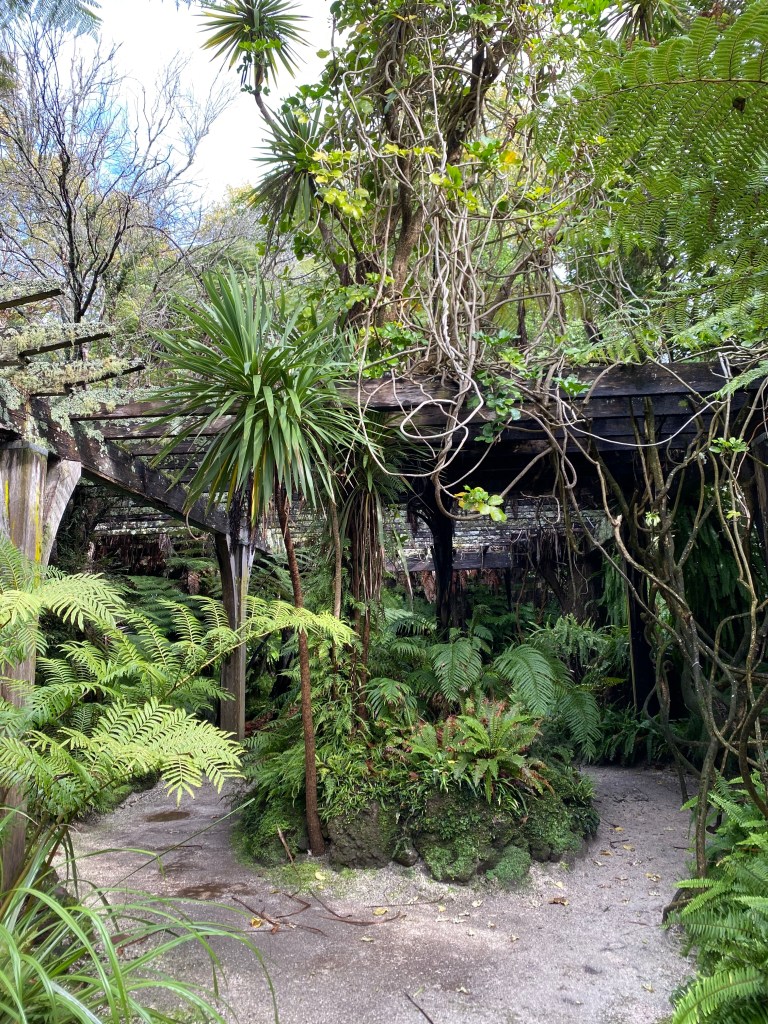
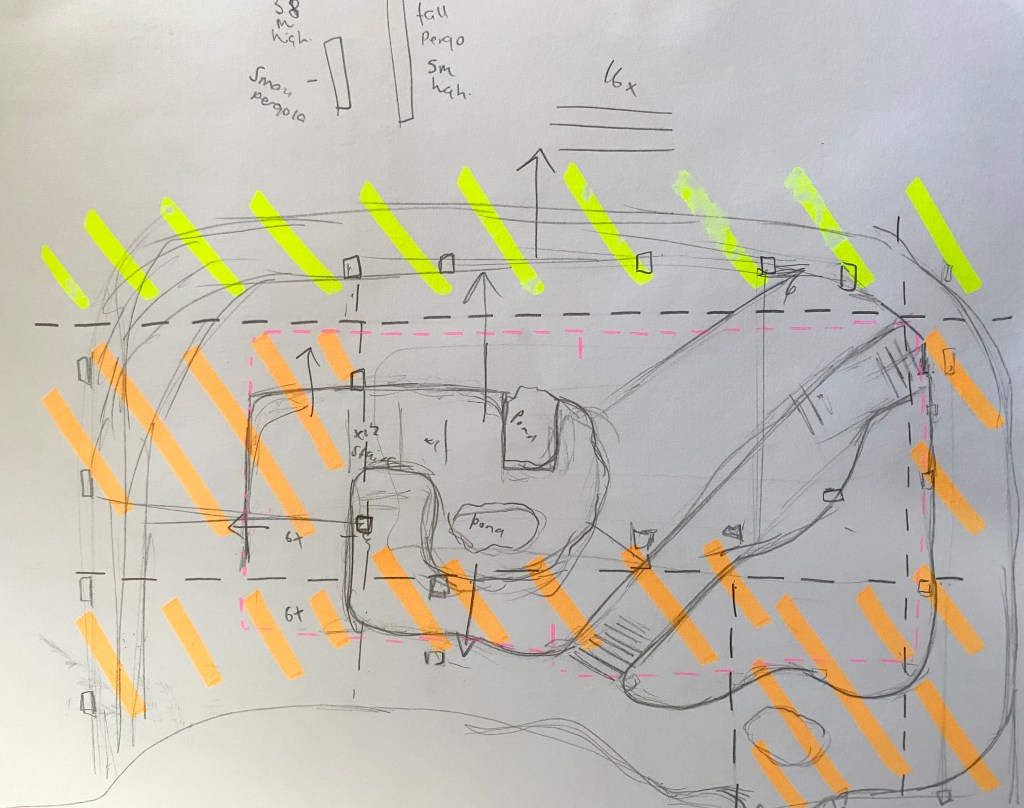
From this revisit I was able to continue developing my rhino Winter Gardens model by adding the fernery space and beginning to render the materials of the site on blender.
Week 10: Refining my Design Concept
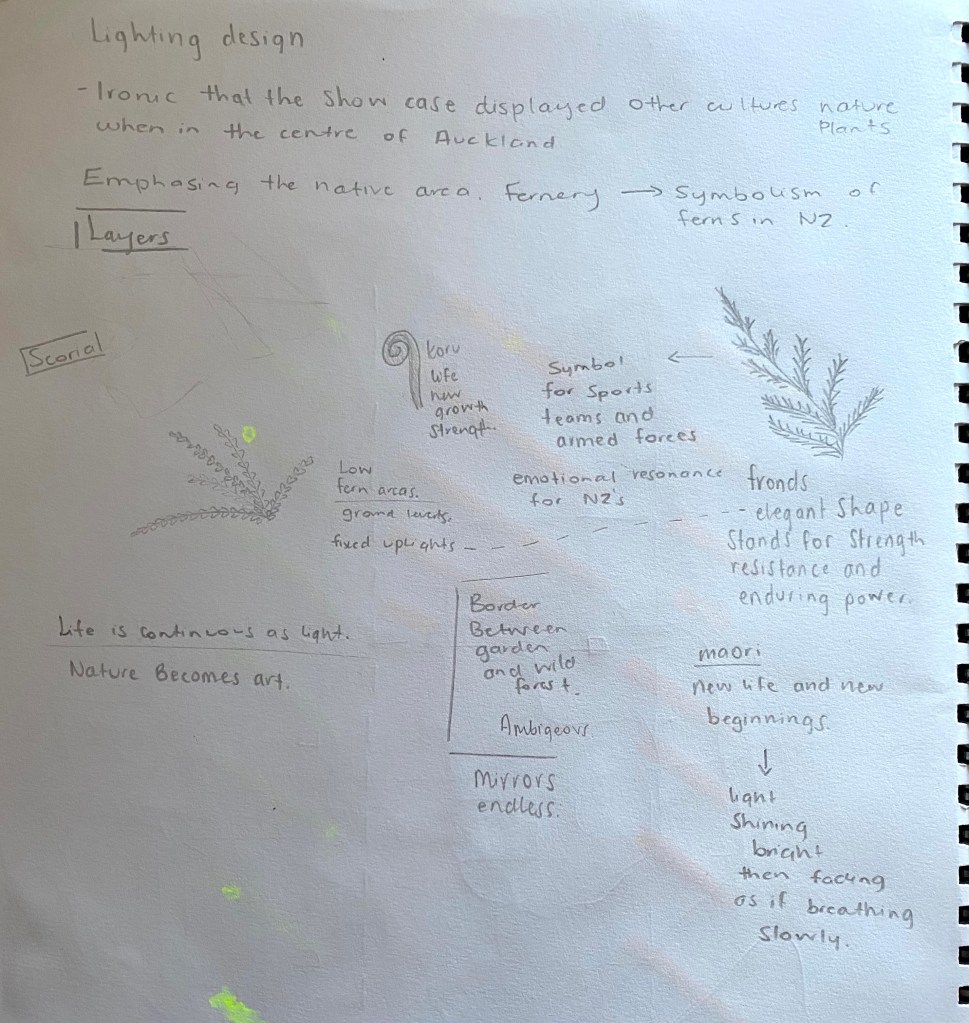
Now that I have a digital model to work with I feel more confident in being able to visualise my design ideas and develop different ways it may sit within the site. After the formative I decided to rethink my design and reconsider why I want to light up the fernery. I think it’s ironic that the original exhibition design showcased such an array of other cultures plants while being placed in such an historically important place within Auckland. By lighting up only the fernery I would place more emphasis on the native area of the gardens. This will create a new exhibition space where our indigenous culture is more dominant. How could my lighting design highlight certain aspects of New Zealand culture while still creating a connection between the viewers and the Fernery space in particular? I began looking into what the fern symbolises here in New Zealand and how it is used. The shape of the fern as a symbol is commonly used by the armed forces and representative sports team resulting in the fern having an emotional resonance for New Zealanders. The elegant shape stands for strength, resistance and enduring power representing new life and new beginnings. The idea of using light to represent life inspired me as I began to think about the essence of life nature holds and how I could imitate an aura of life through a lighting display.
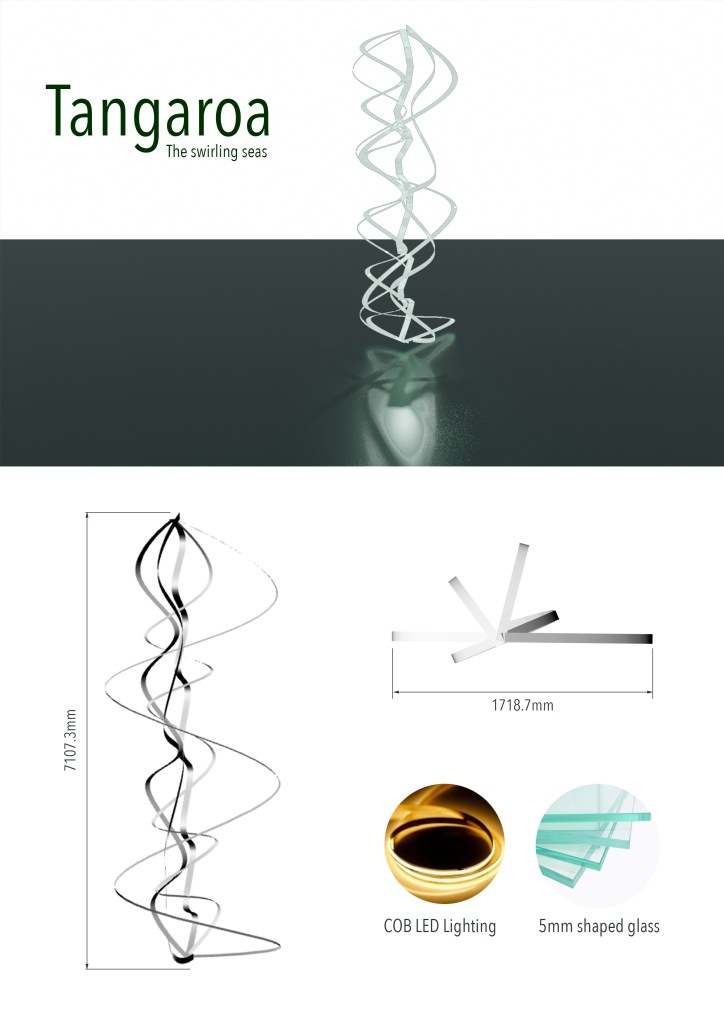
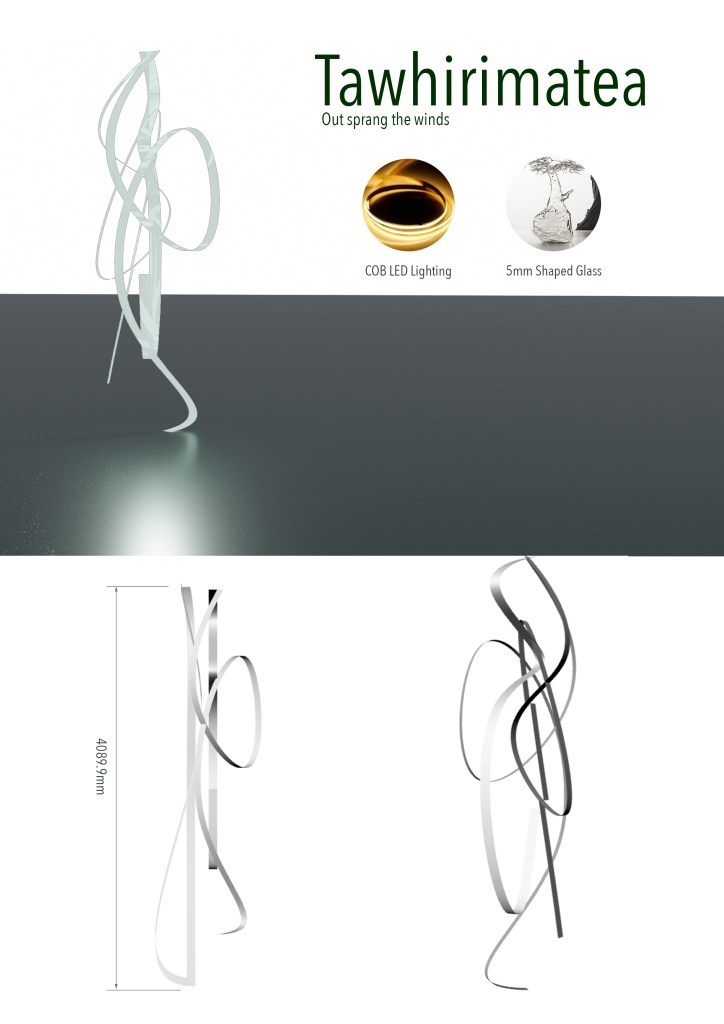
As a result of this thinking my plan to move forwards is to develop multiple lighting structures that emphasise the native plants placed within the site. I plan to do this by designing a lighting display that showcases ideas around New Zealand/Maori history and beliefs towards the natural world. Through research of Maori origins I have found that they trace themselves back to the beginning of creation – Te Kore (total darkness). There was no life, only potential. Papatuanuku (the Earth Mother) and Ranginui (the Sky Father) were clasped together, stifling all growth. Their children, desperate for light devised a plan where one of them, Tane Mahuta (God of the Forests) would separate his parents. Binding to his mother below he pushed upwards with his legs pushing his father apart from the earth. Into the light sprang the winds of Tawhirimatea (God of the Winds), the swirling seas of Tangaroa (God of the Sea) and the towering forests of Tane Mahuta.
How could my lighting design speak to our indigenous views of the natural world? The creation of life, the need for light. Could different light series work together in harmony to create an immersive experience for those who travel through the space?Certain light placement will work to create highlight, shadows and patterns on different layers of plant within the fernery. It’s important I consider how to light the foliage right from the ground level to the emergent layer.
Simple rules to remember when it comes to working with lighting is to ensure task lighting is well thought through. This includes making sure pathways, entrances, stairs and handrails are well lit for safety purposes. An aesthetic rule to follow is to not over do it. Use light to highlight interesting features. If everything is illuminated, nothing is going to stand out to the eye.
Personal light experimentation related to my design choices (video clips) https://drive.google.com/drive/folders/1O4TQ4AWoBLXfu1Yss6NNRPOjNwBld7zo?usp=sharing
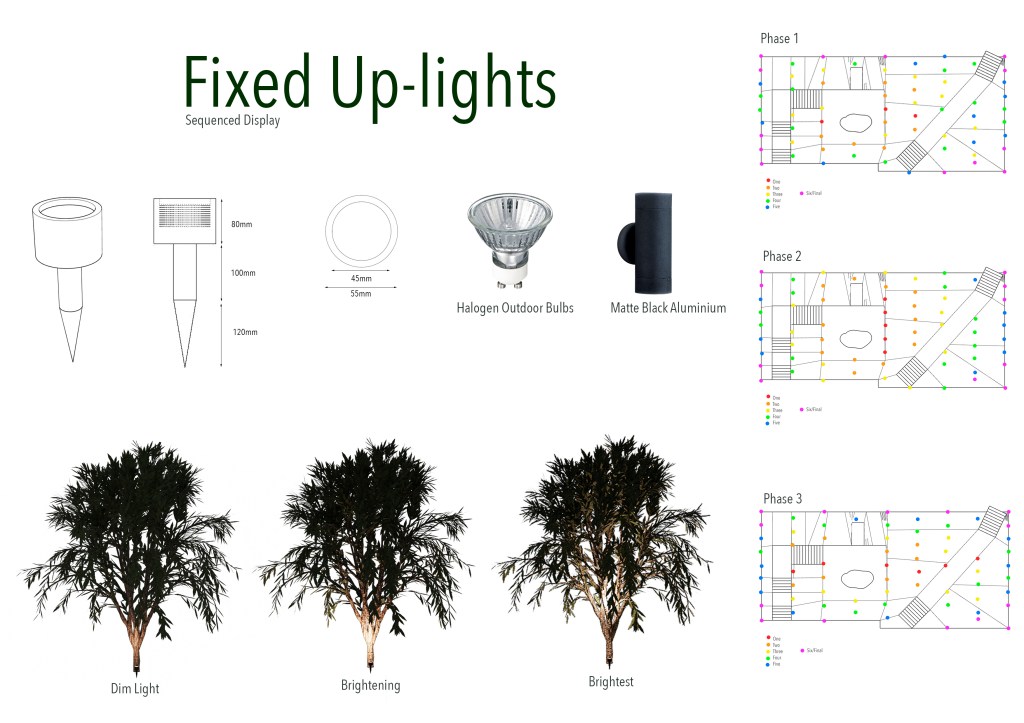
Working first with the ground level I am designing fixed up-lights to be spread amongst the areas of the fernery where the paths do not explore. The lights will shine brightly then fade to a dim light as if breathing slowly. The up-lights will span the area of the fernery so the change of light will be experienced throughout. As this will only be one of a few light designs within the fernery I decided to keep the up-lights simple and subtle so that during the day they do not stand out within the natural bush. The circular shape relates back many cultures symbol fo strength connecting to they way ferns represent strength here in New Zealand. I decided to choose aluminium with a black matte finish to ensure that the light emitted from surrounding lights does not bounce and reflect off of the lights themselves. My chosen material is resistant and able to withstand outdoor conditions.
Conceptual Thinking 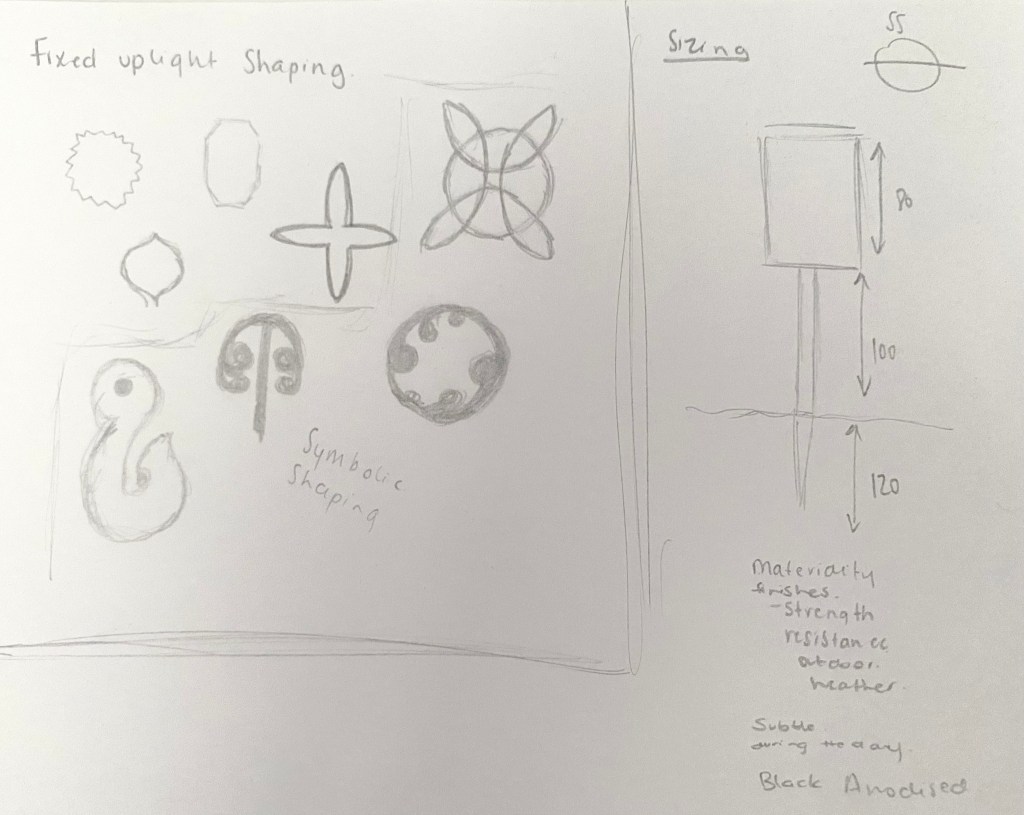
Design Sketches 
Material
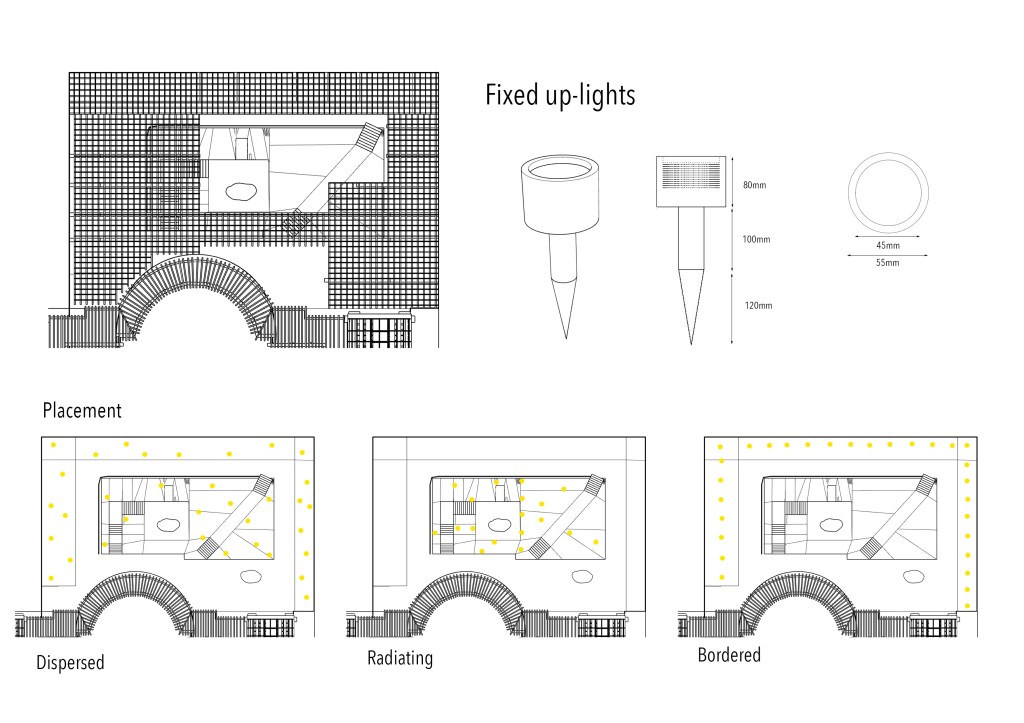
Considering placement of these lights will be important as I do not want the luminance to be too over powering. As shown in the images above I could either scatter them around the entire fernery, border the fernery or fan out from a central point restricting them to the lower areas. After consideration for each idea I think that working with a radiating layout will be most effective. When thinking about the fernery as a living, breathing space I would like the inhale and exhale of light be be centralised, drawing visitors deeper into the space. This also leaves the higher areas free for a second installation that speaks to my concept. Working on specific placement, timing, direction and level of brightness changes is the next step to move forward.
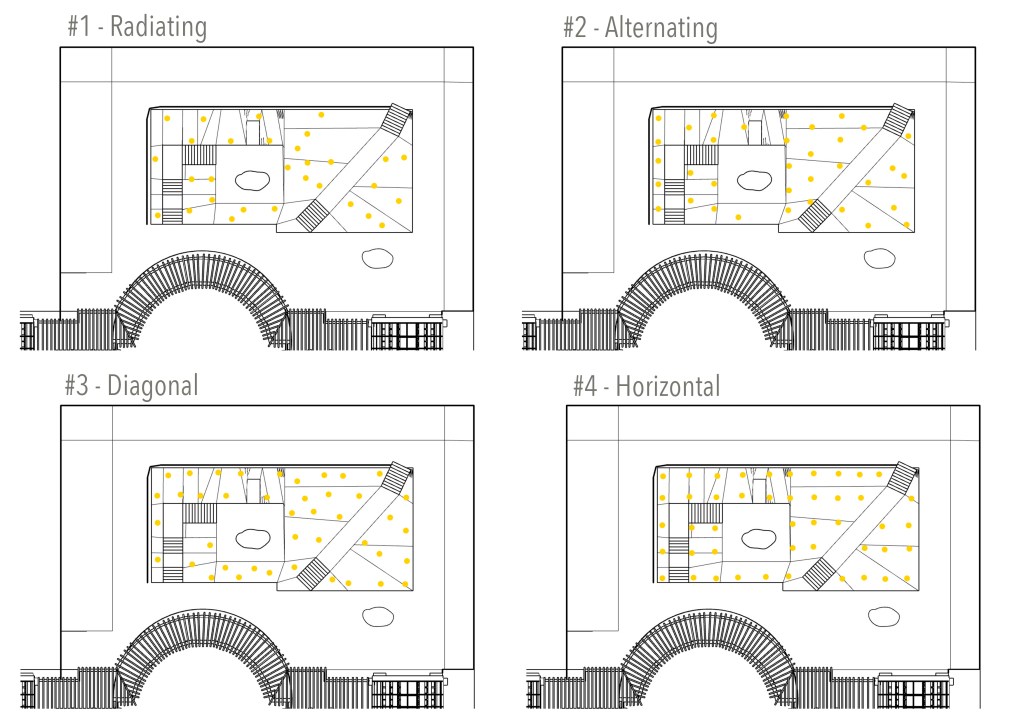
As seen above I worked through a series of layouts that focused on the up-lights being placed only in the centre area of the fernery. Ive decided to move forwards with the alternating pattern as I believe this composition evenly disperses light throughout the space without being too structured like a grid.
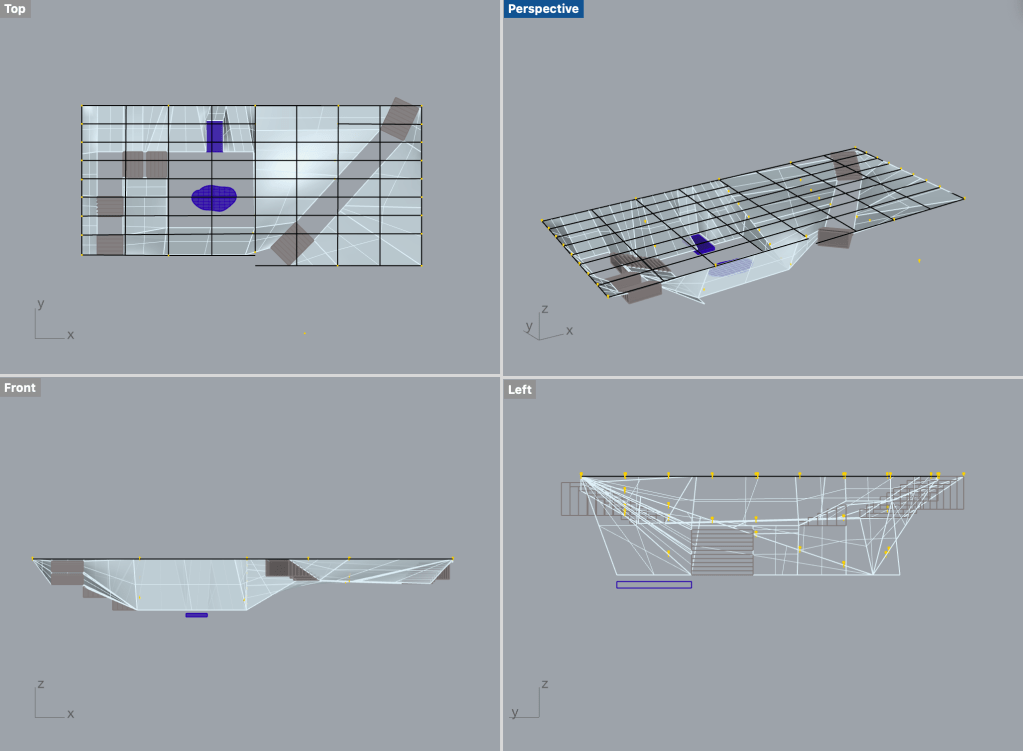
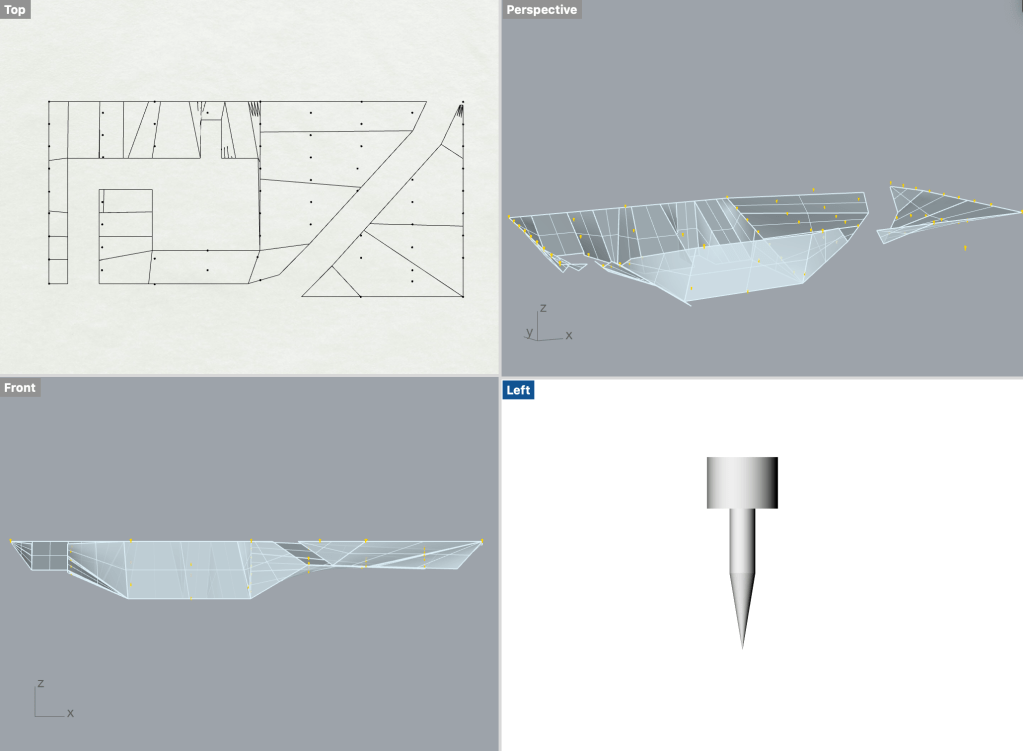
The up-lights will run on an automatic loop that moves through three bright to dim phases. Each phase works from a key idea where the brightening starts from a central area and surrounding lights are slowly activated until all have reached full brightness. The lights all then delicately dim down to darkness all at once. The cycle then continues to the next phase. I decided to work with multiple phases so that the rotation of light didn’t seem repetitive. Each phase from step one to six will take a total of 3 seconds to reach full brightness (a light group will turn on every 0.5 seconds). It will then take 5 seconds for all the lights luminance to slowly dull to their original shine before continuing to the next phase pattern.
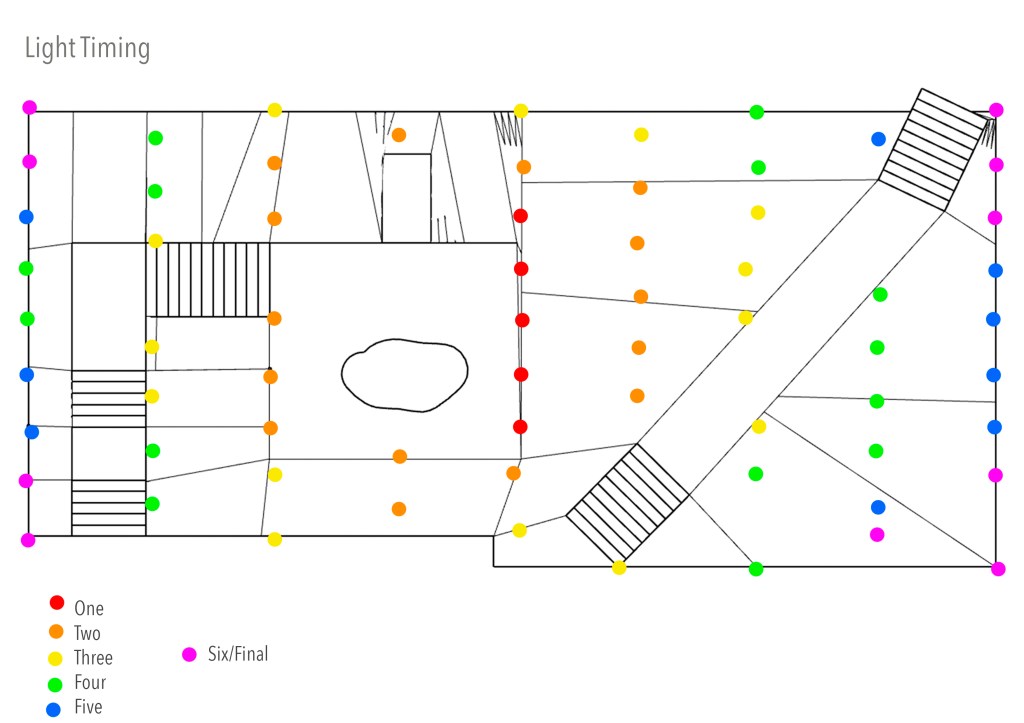
Phase 1 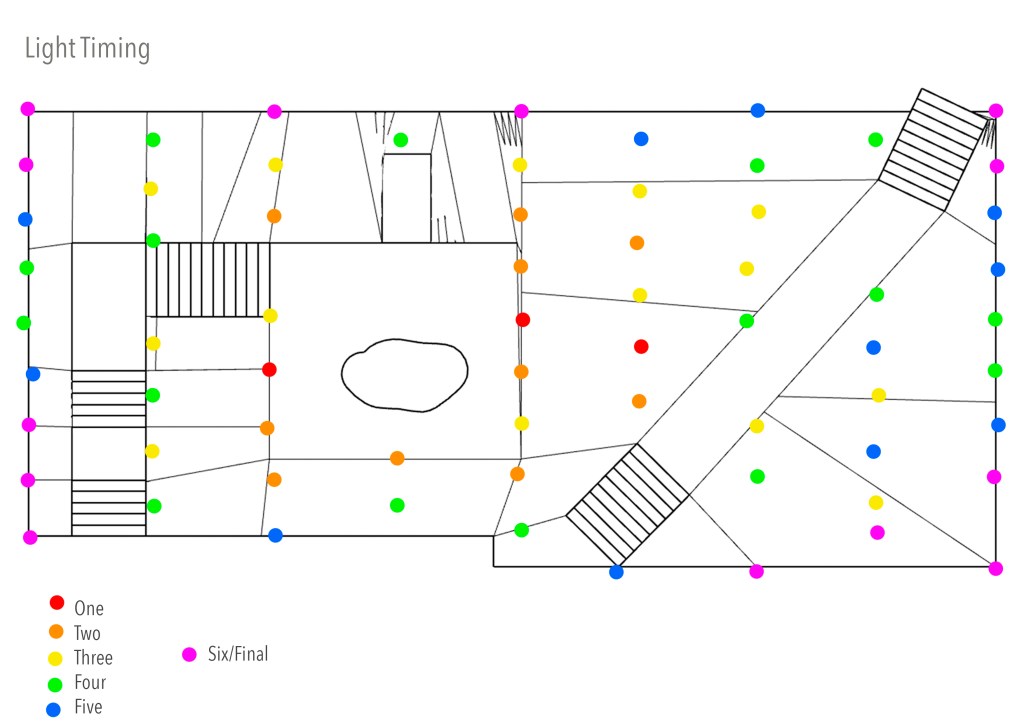
Phase 2 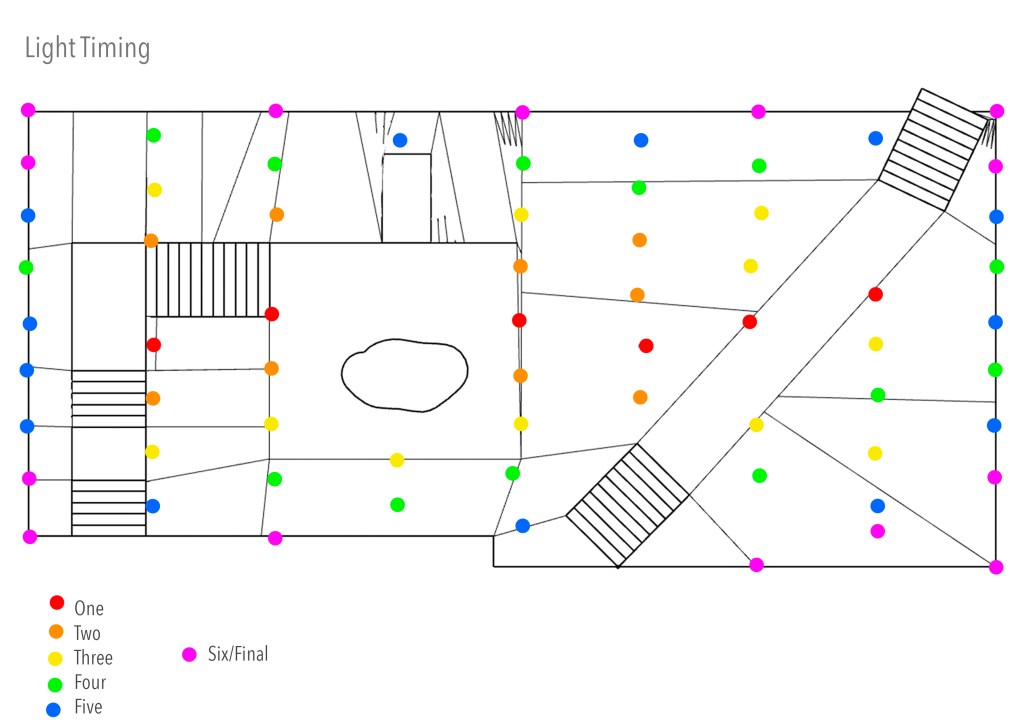
Phase 3 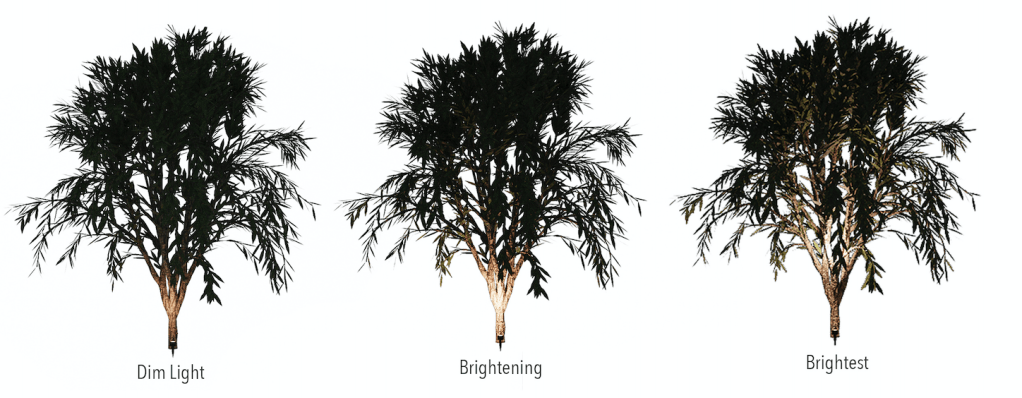
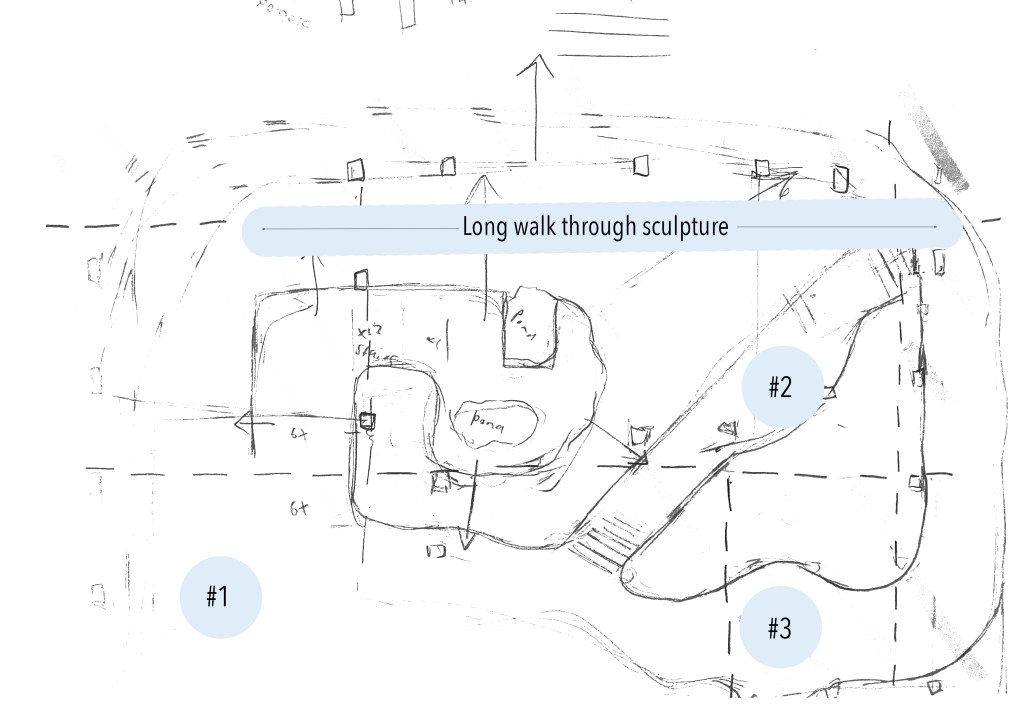
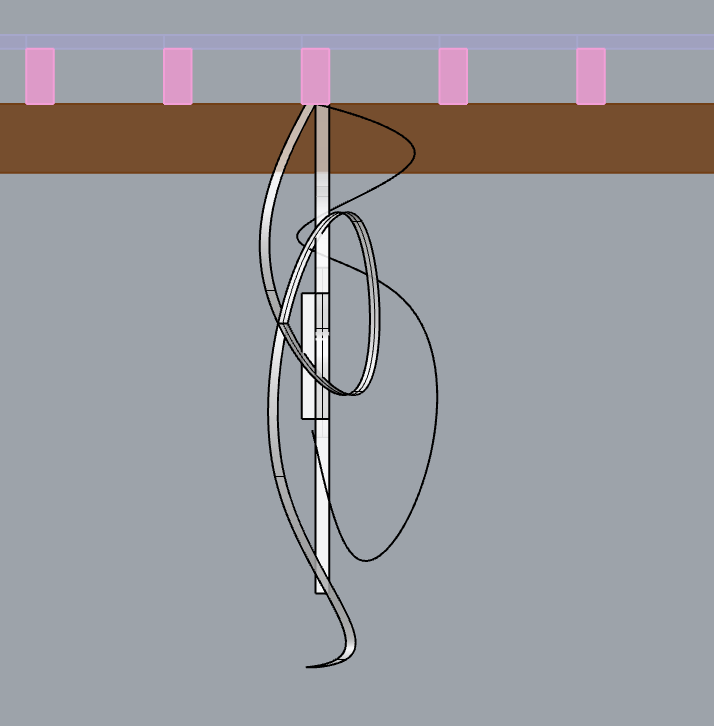
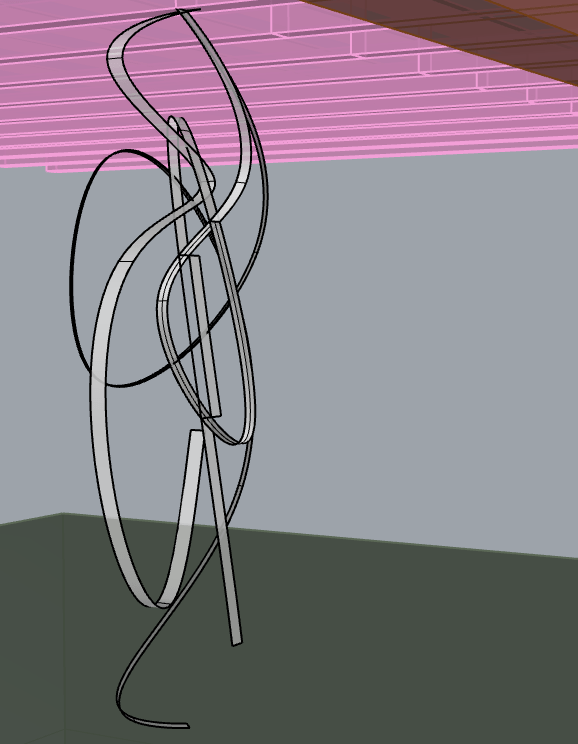
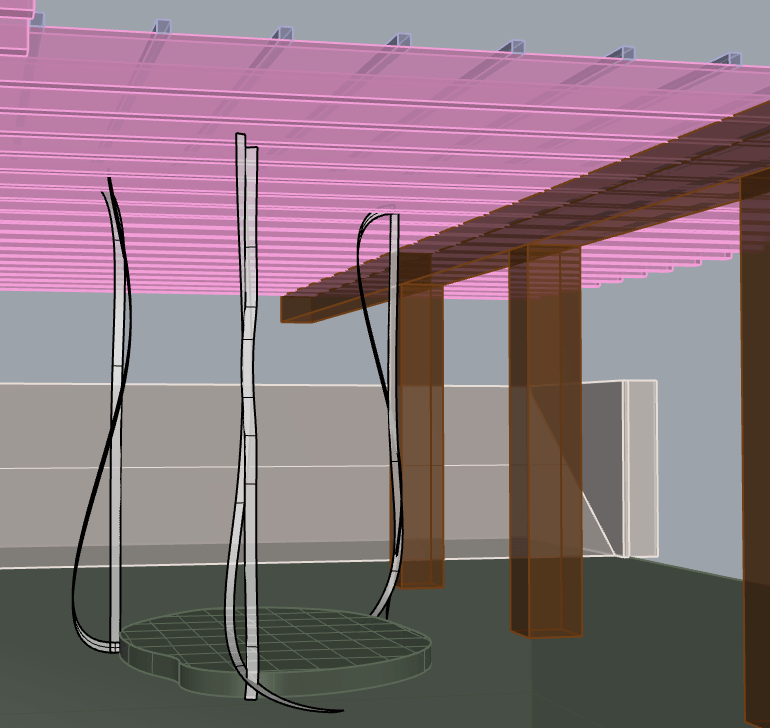
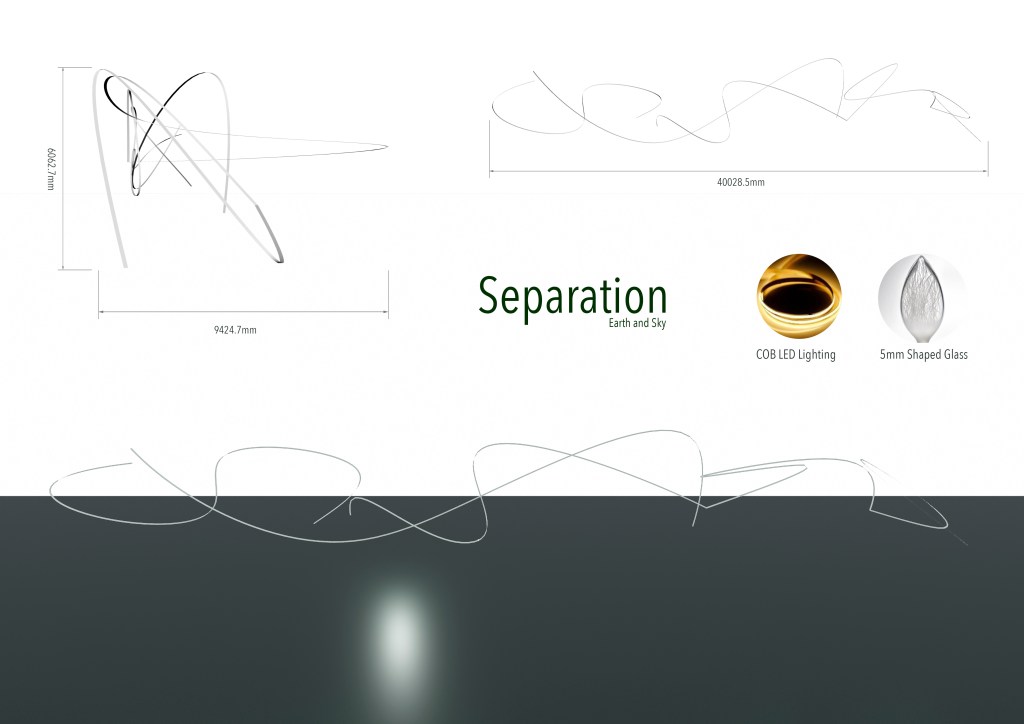
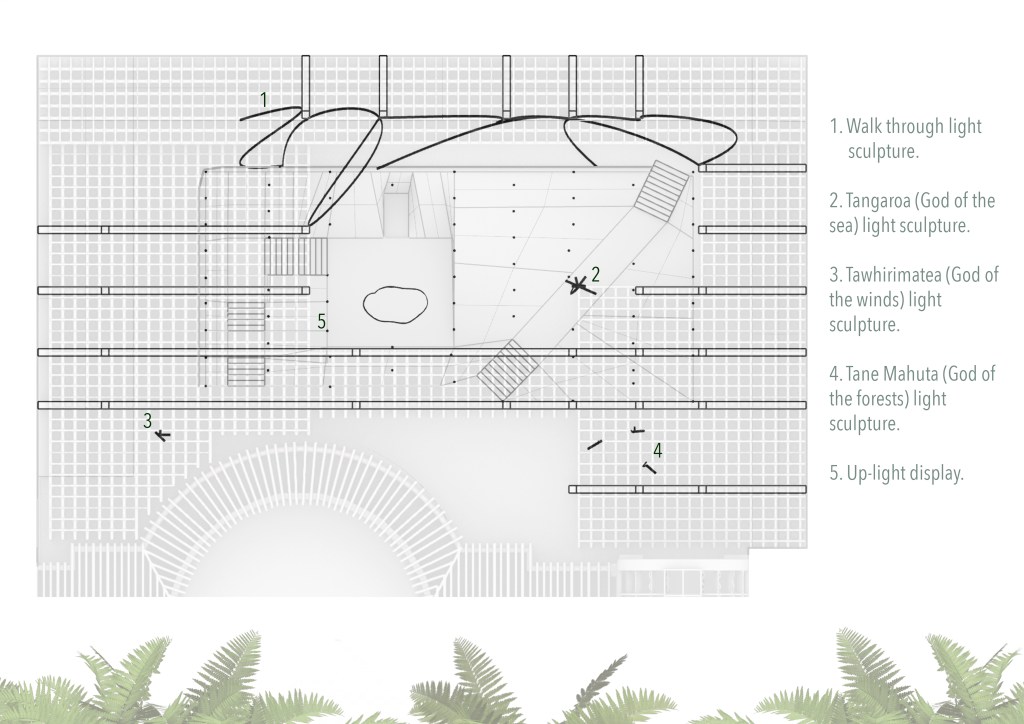
The second set of light installations within the fernery will be a series of LED light sculptures inspired by the Maori myth I described above that relates back to the creation of the natural world and the New Zealand Indigenous views towards native environments. The series will consist of four different elements, three of which will be stand alone sculptures that will represent either the forest, wind or seas. These will be placed around the fernery evenly so that light dispersed sits at the same level throughout the entire space. The fourth will a be larger sculpture that spans the length of the fernery along the back walkway. The design will combine elements from the three smaller sculptures while embodying the idea of separation, however it will give visitors a more interactive experience as they walk through the sculpture surrounded by light.
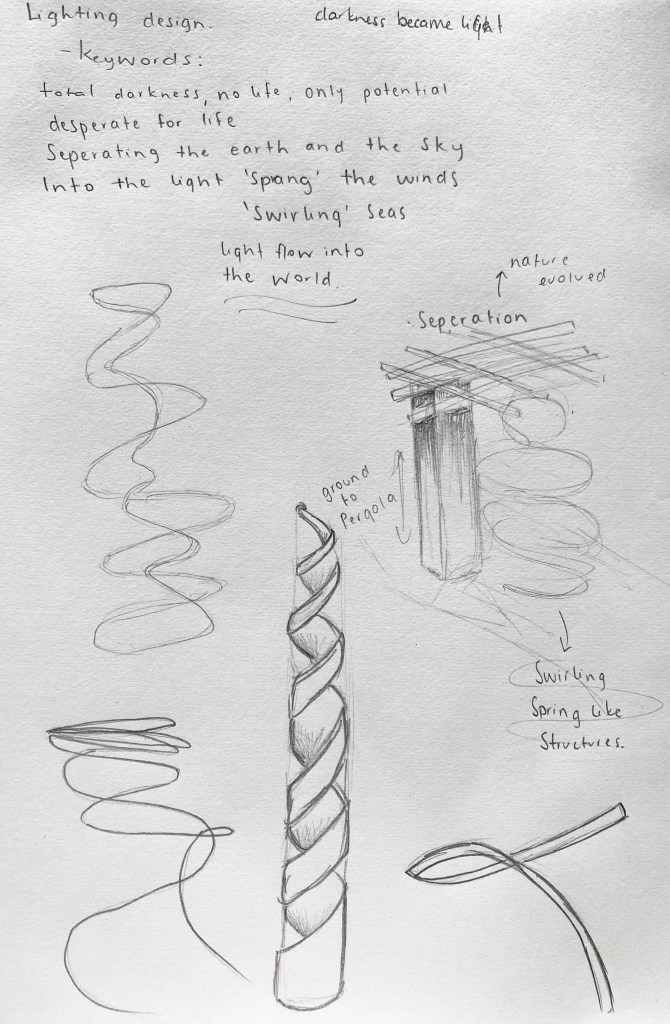
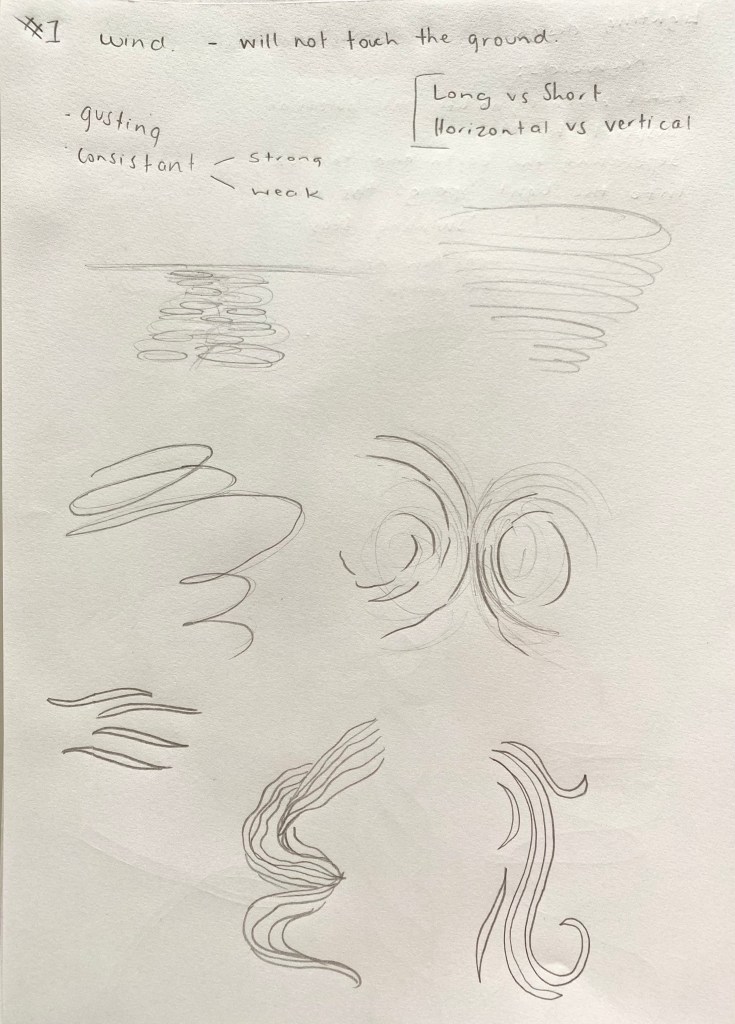
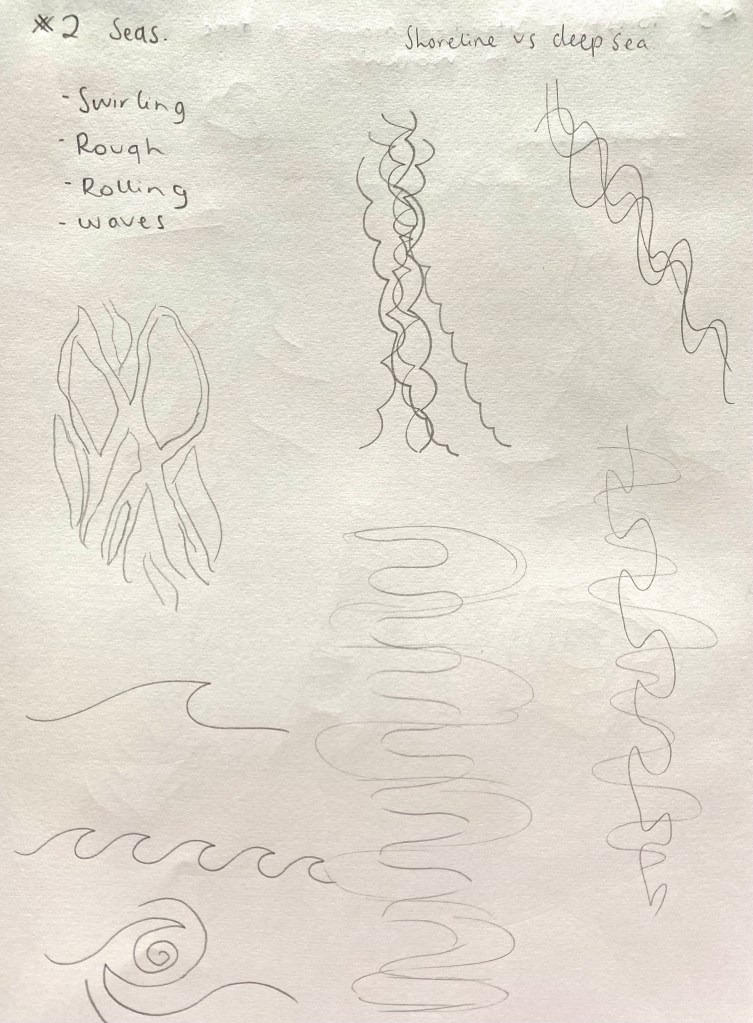
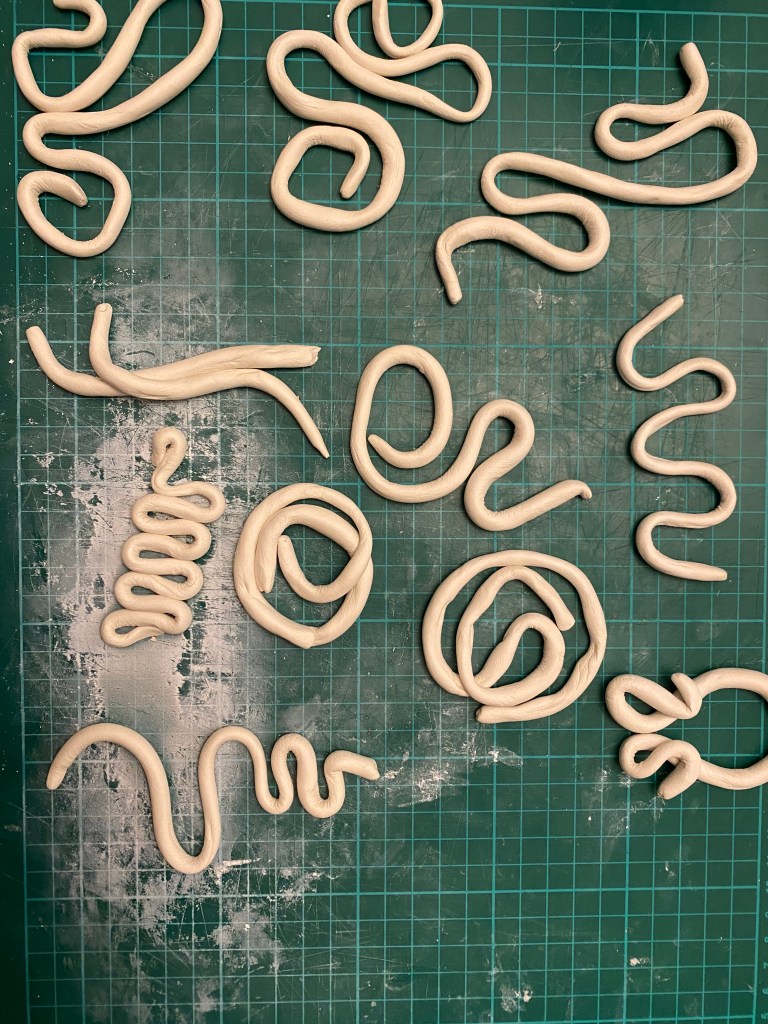
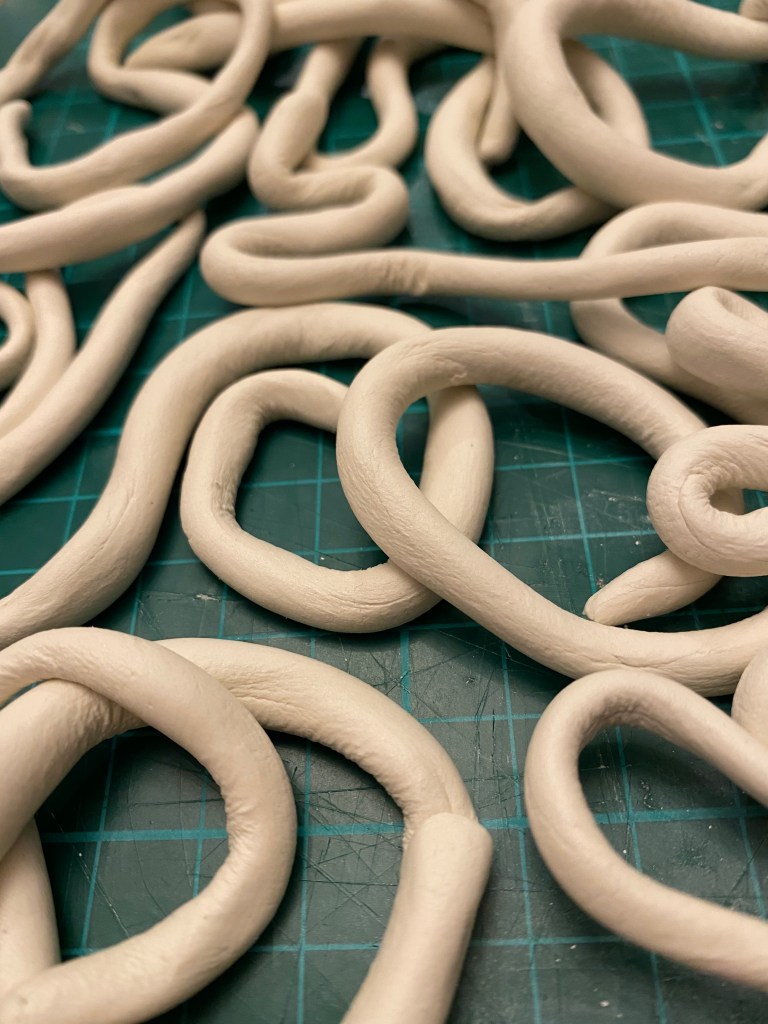
When thinking about flowing shapes and how different curves could fit together I decided to model some shapes from clay to piece together different sculptures. Layering of shapes became interesting as patterns formed in the negative space.




Wind 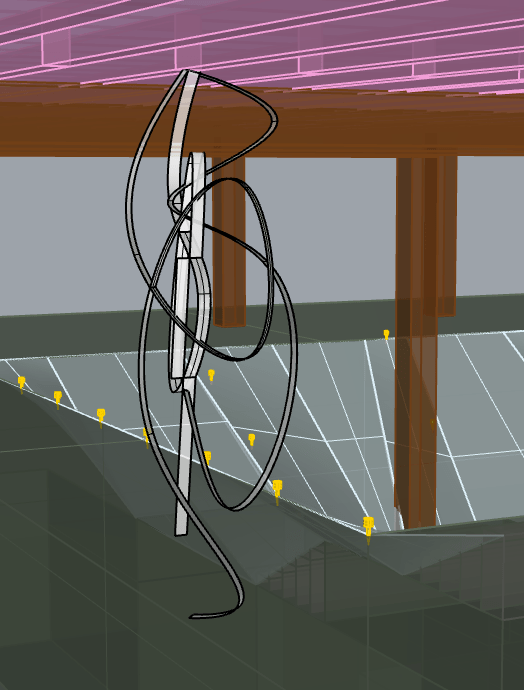
Forest 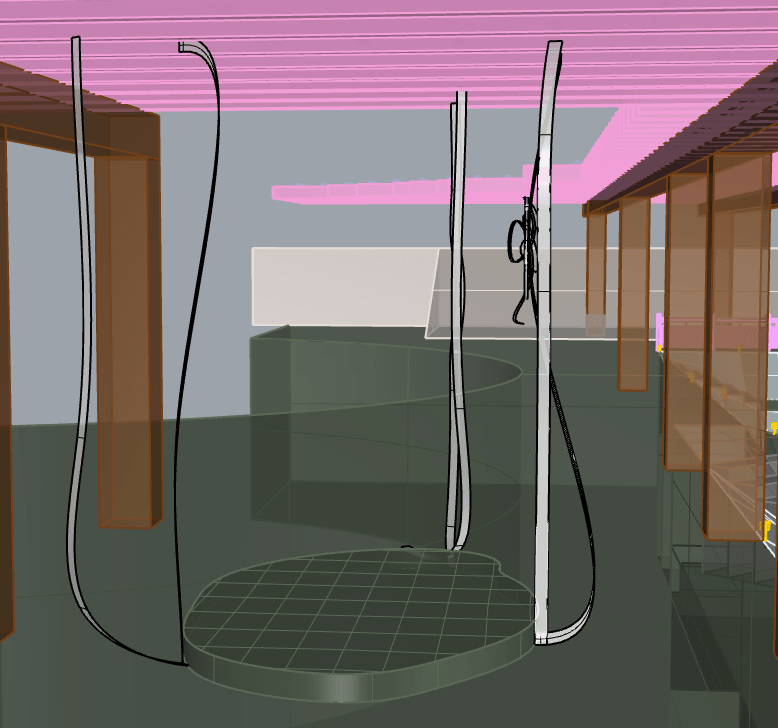
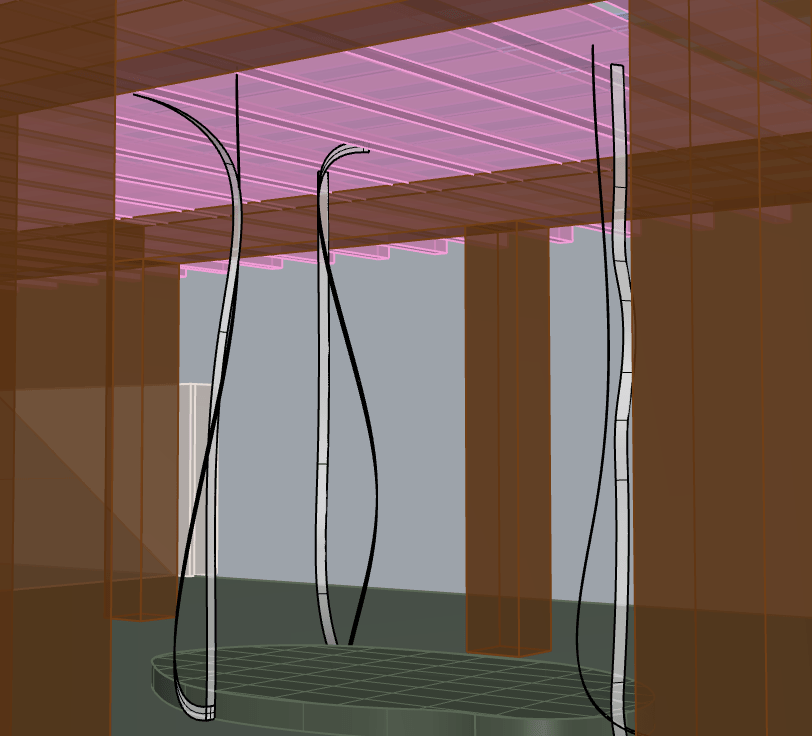
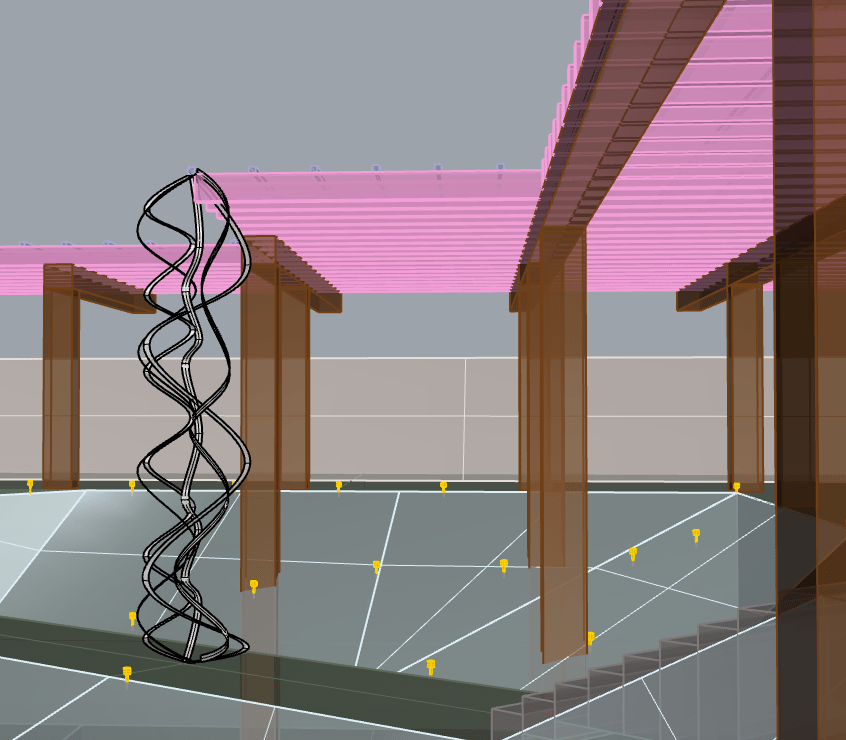
Ocean 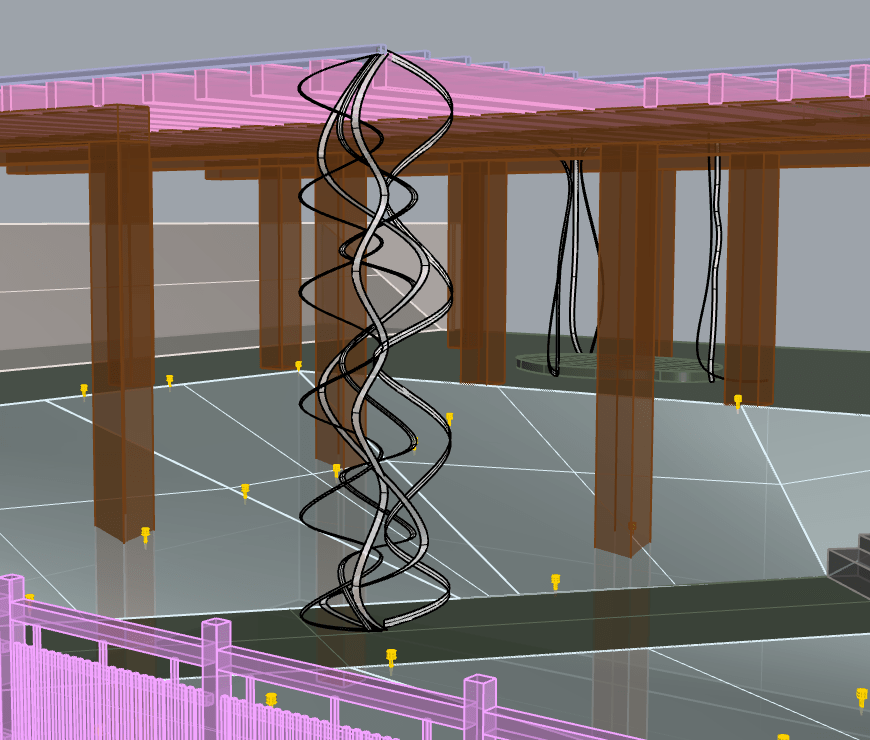
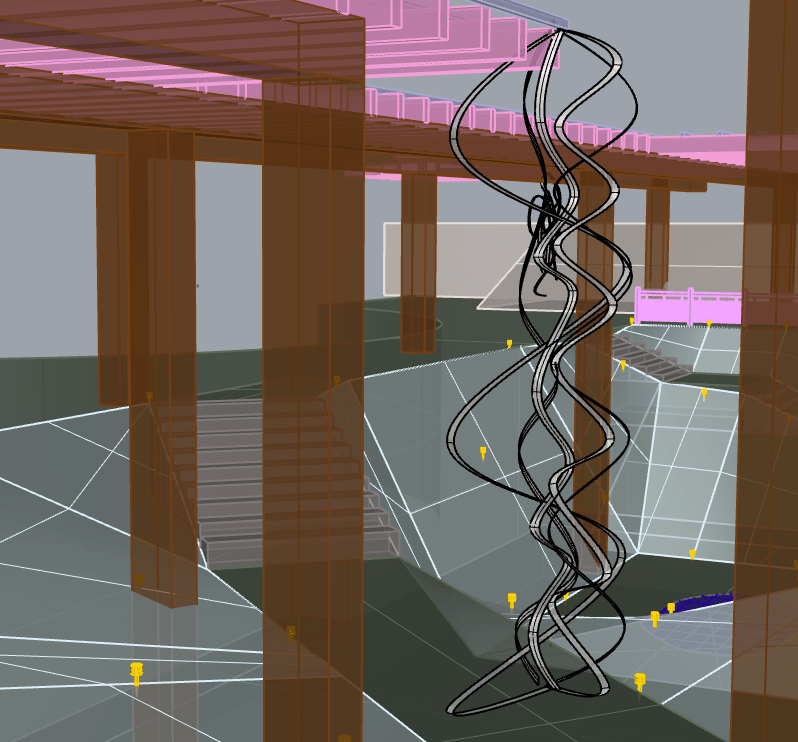
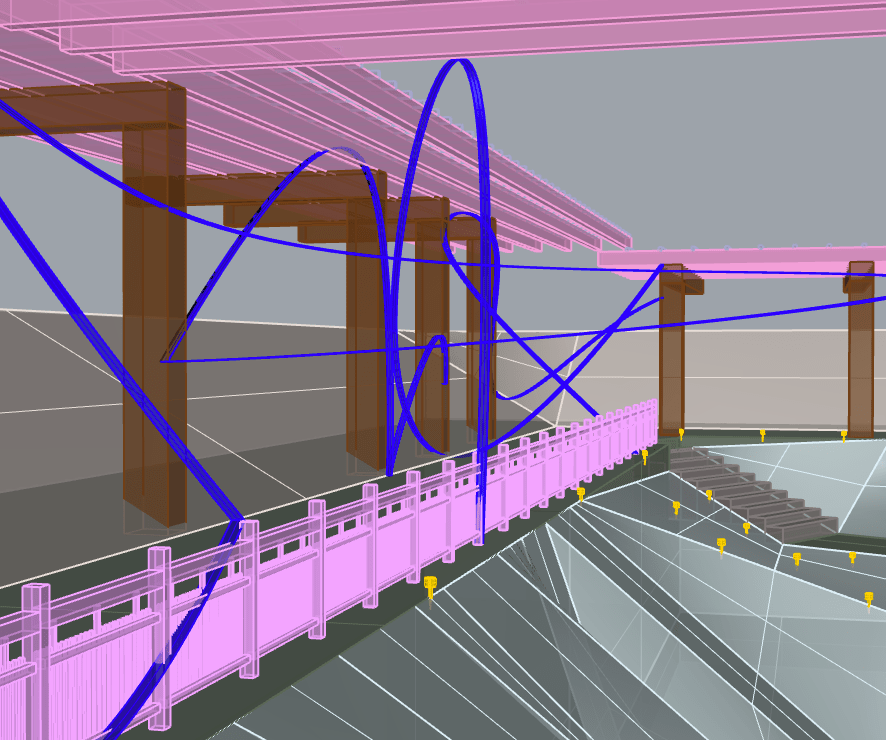
Seperation 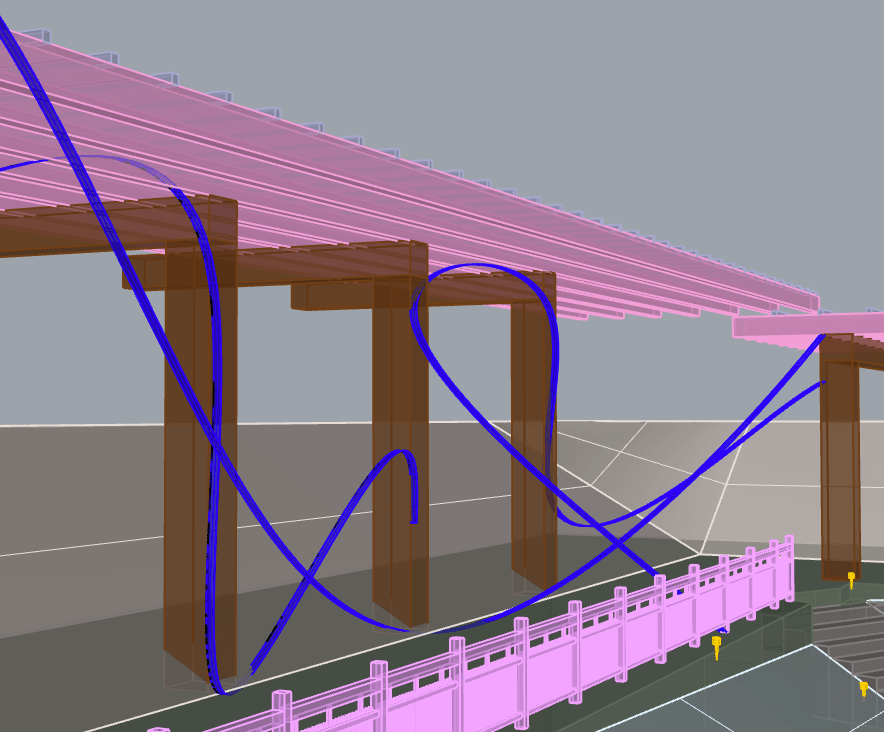
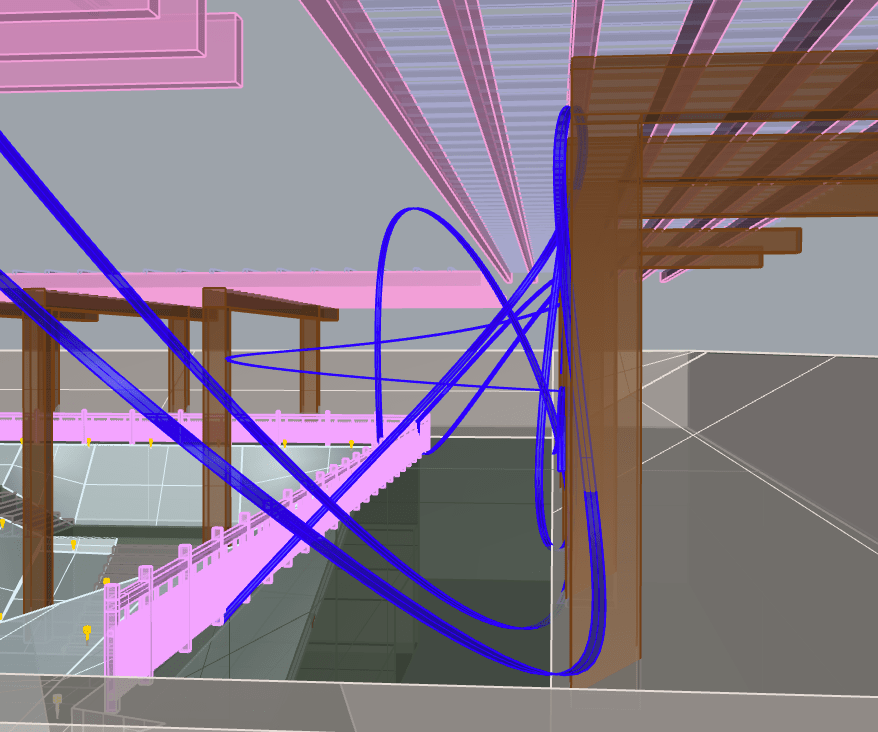
The glass sculptured will be made from 5mm thick shaped glass. Lighting will be applied to the forms by using chip on board (COB) LED light strips. Compared to normal LED lighting COB has improved light efficiency, improved glare effect and reduced light loss
Week 11: Developing Renders
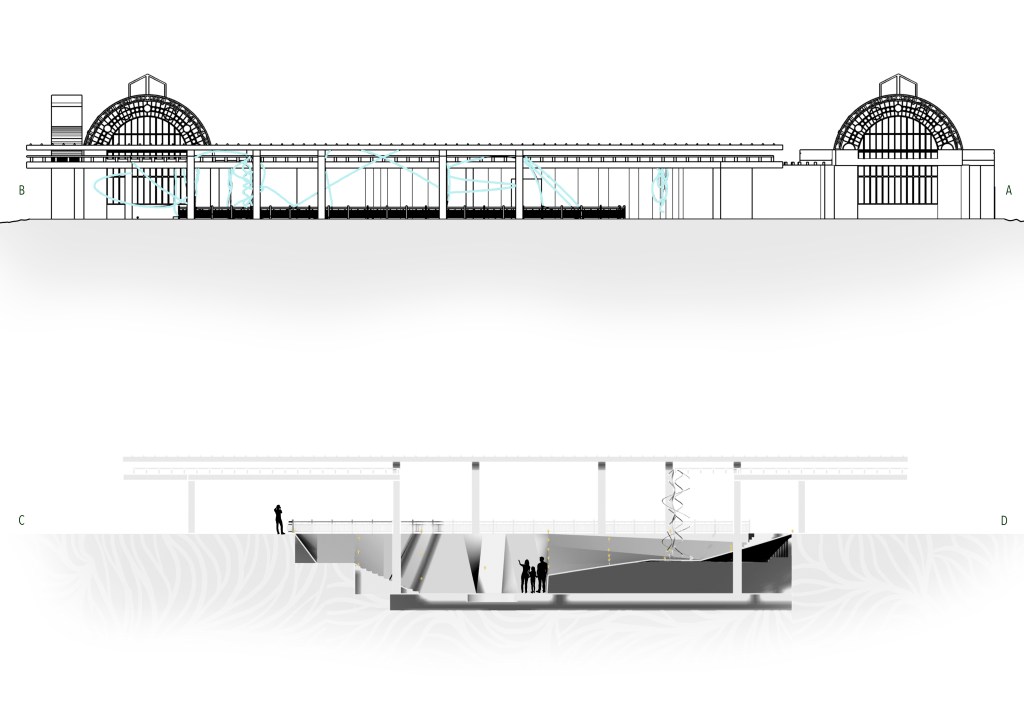
This week I focused on creating a series of renders, plans and sections that help to tell tell the story of my design. I exported my rhino fernery model into blender and experimented with different ways I could apply materials. Adding trees to the model was challenging however I was able to develop some imagery that created the atmosphere I envisioned for the space.
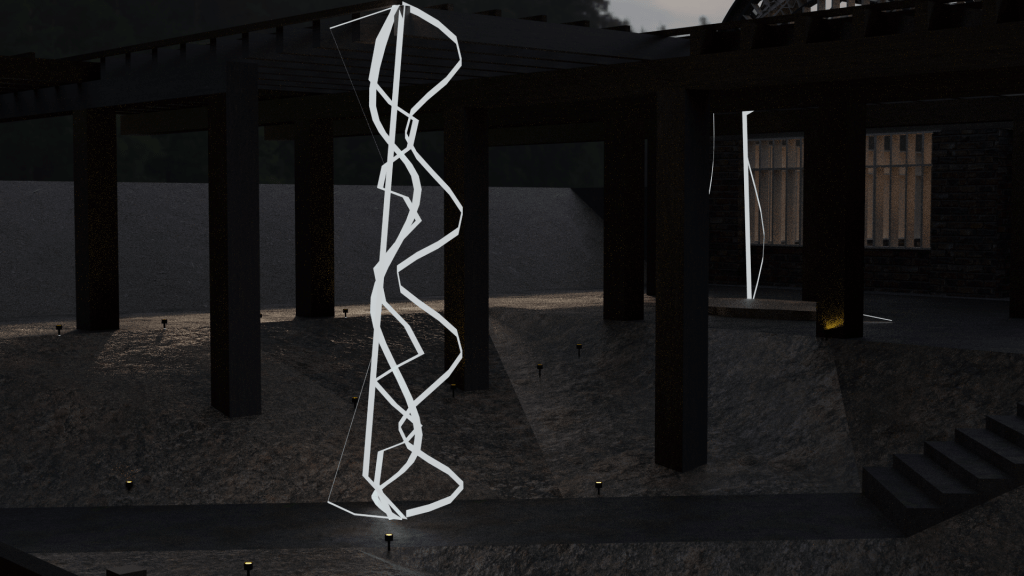
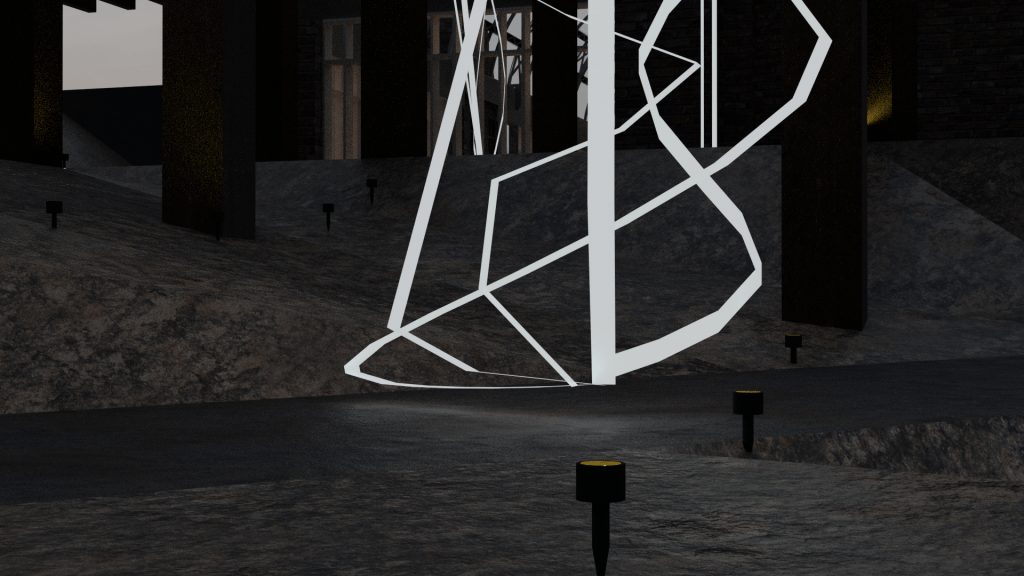
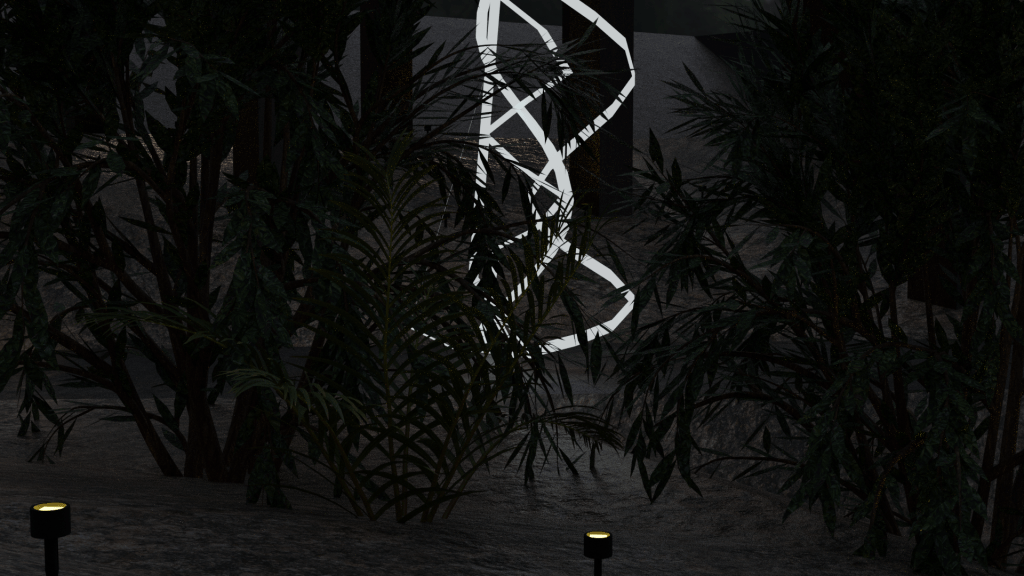
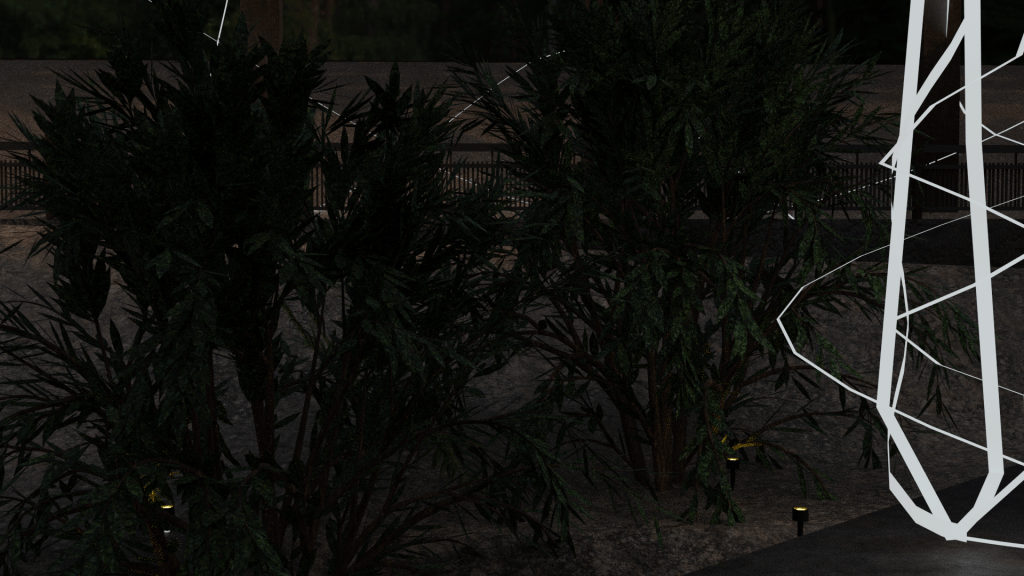
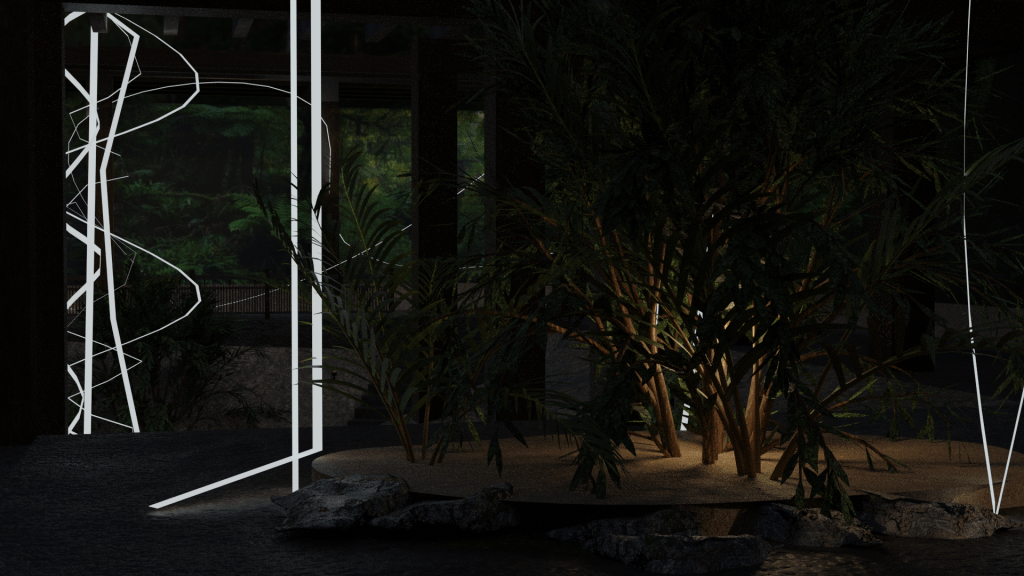
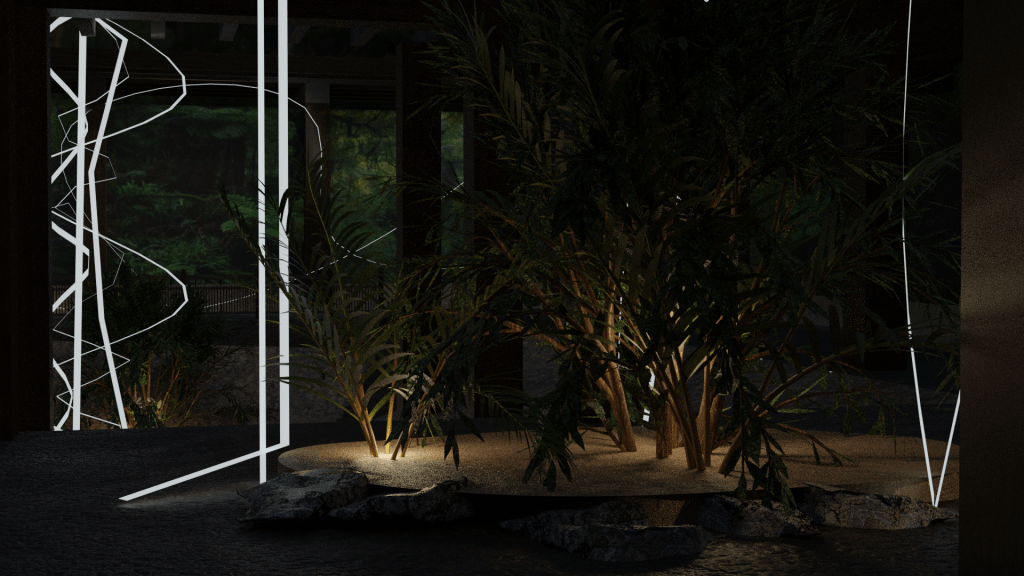
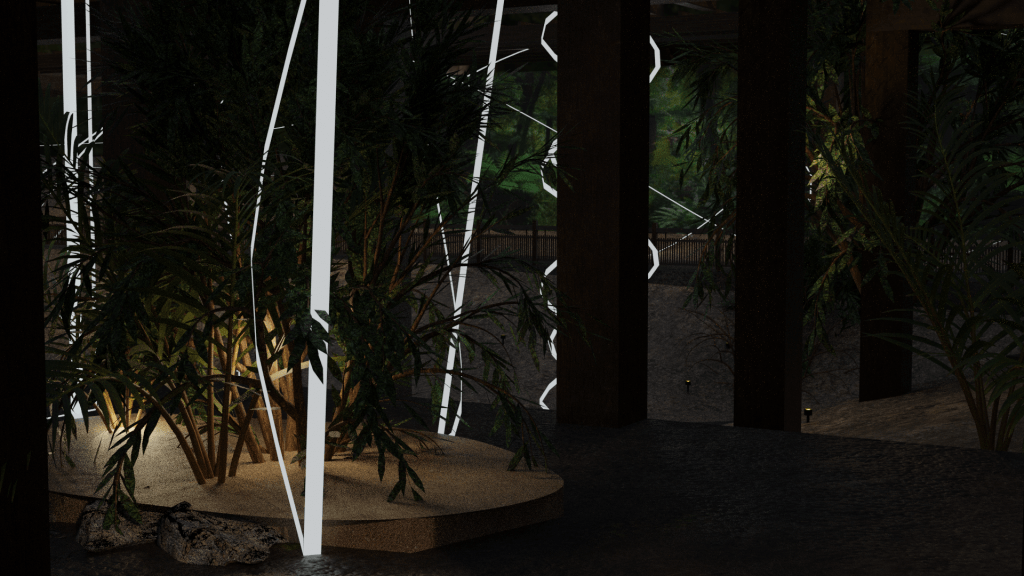
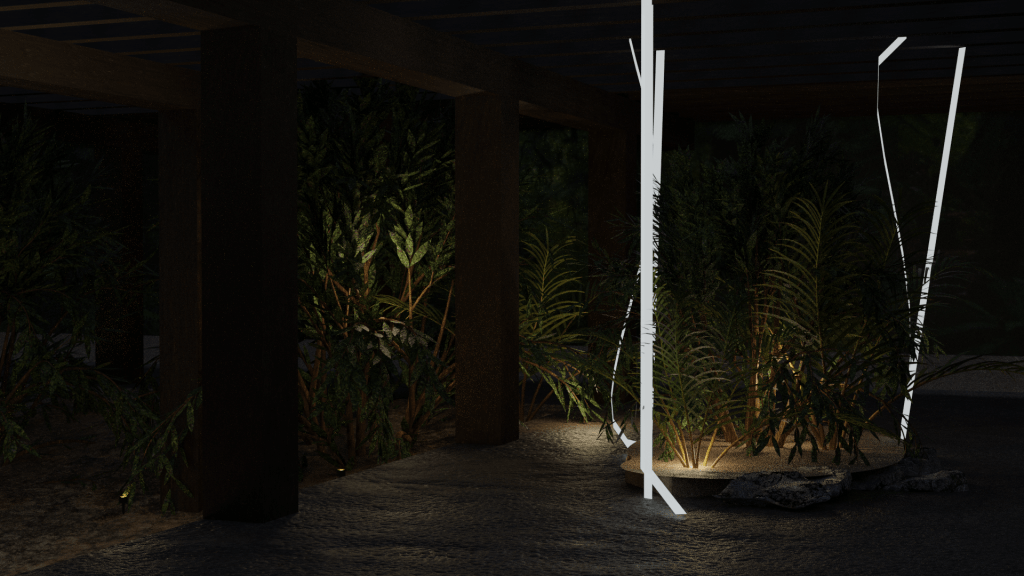
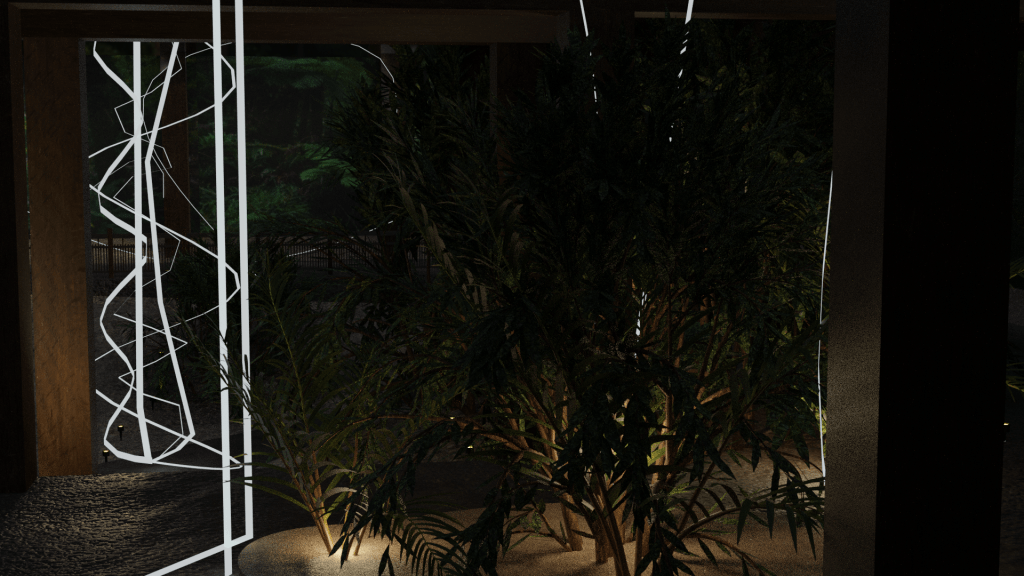
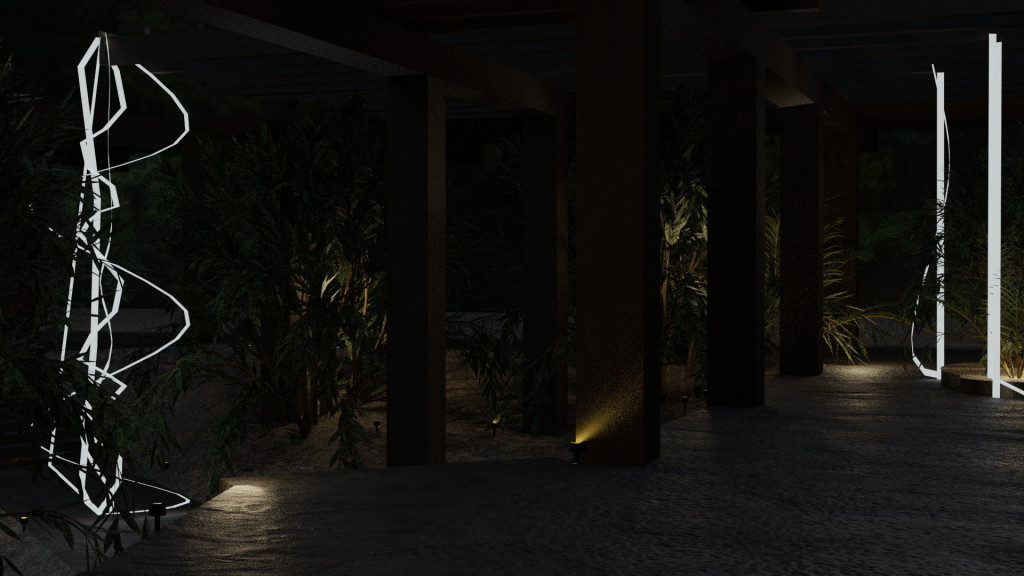
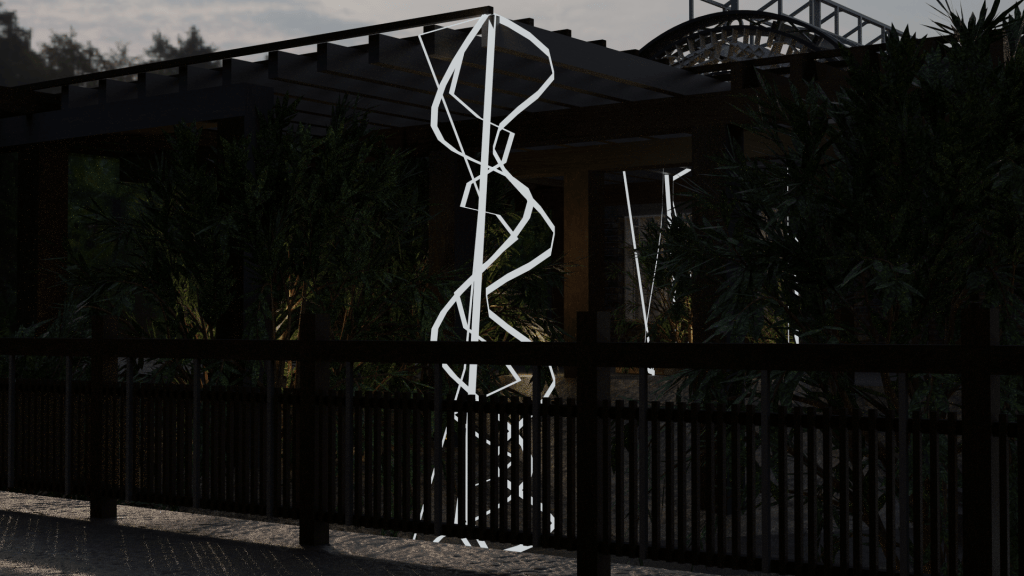
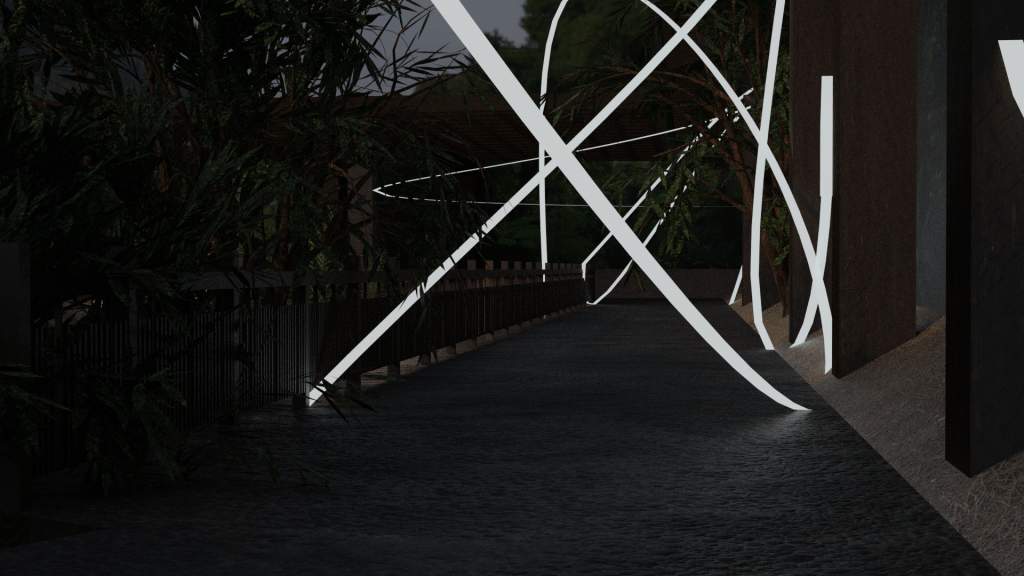
I then put my renders into photoshop to my final touches to my chosen perspectives.
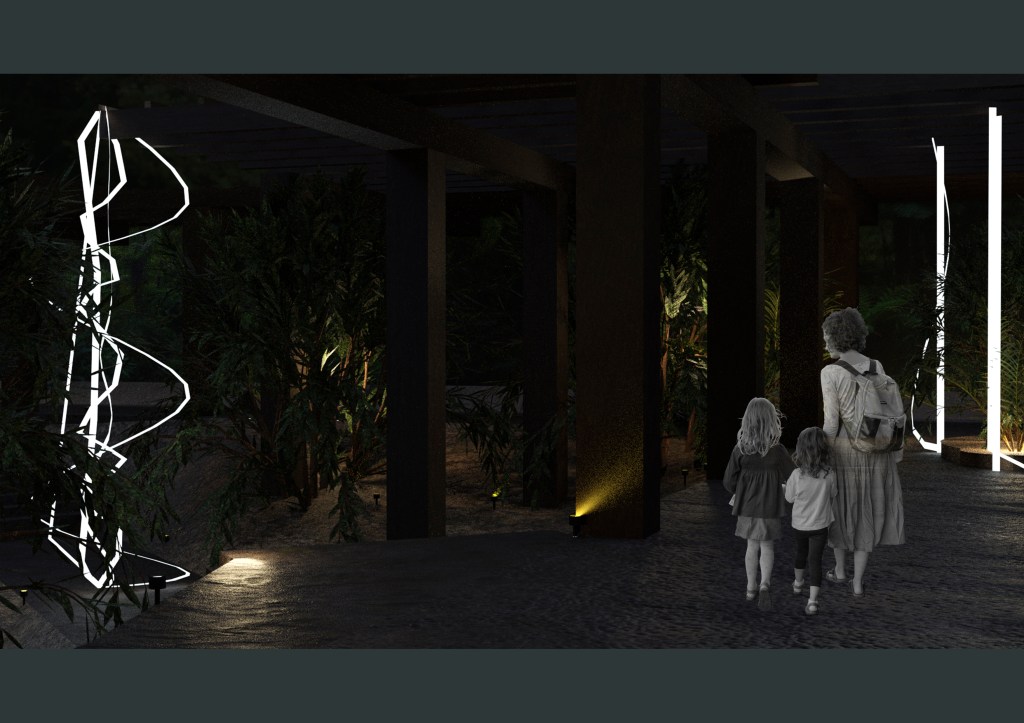
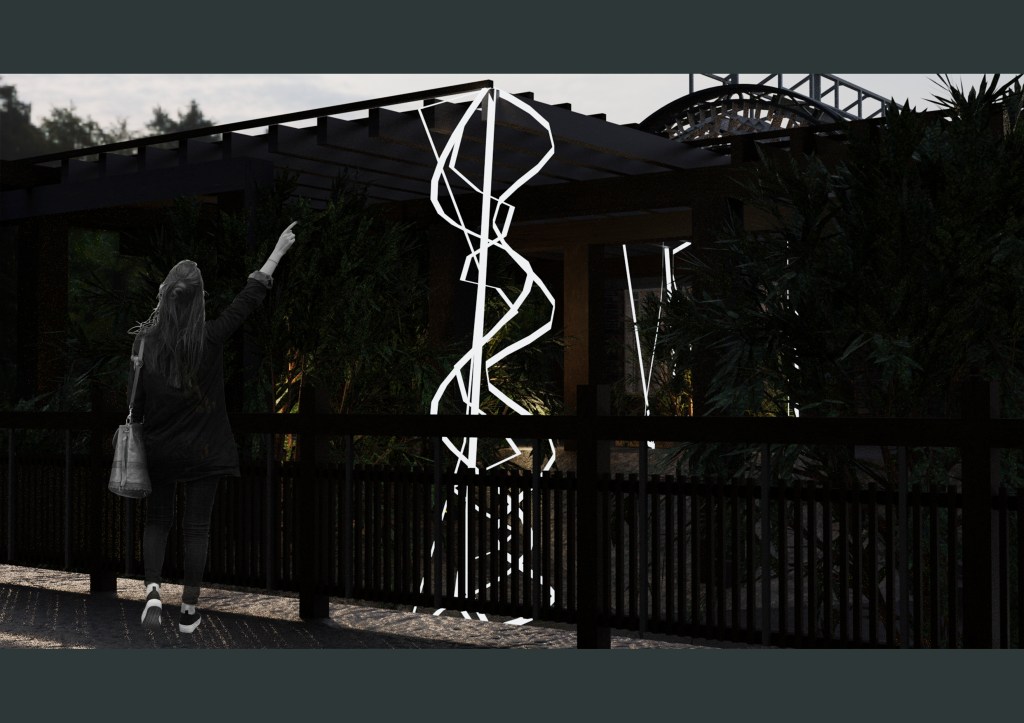
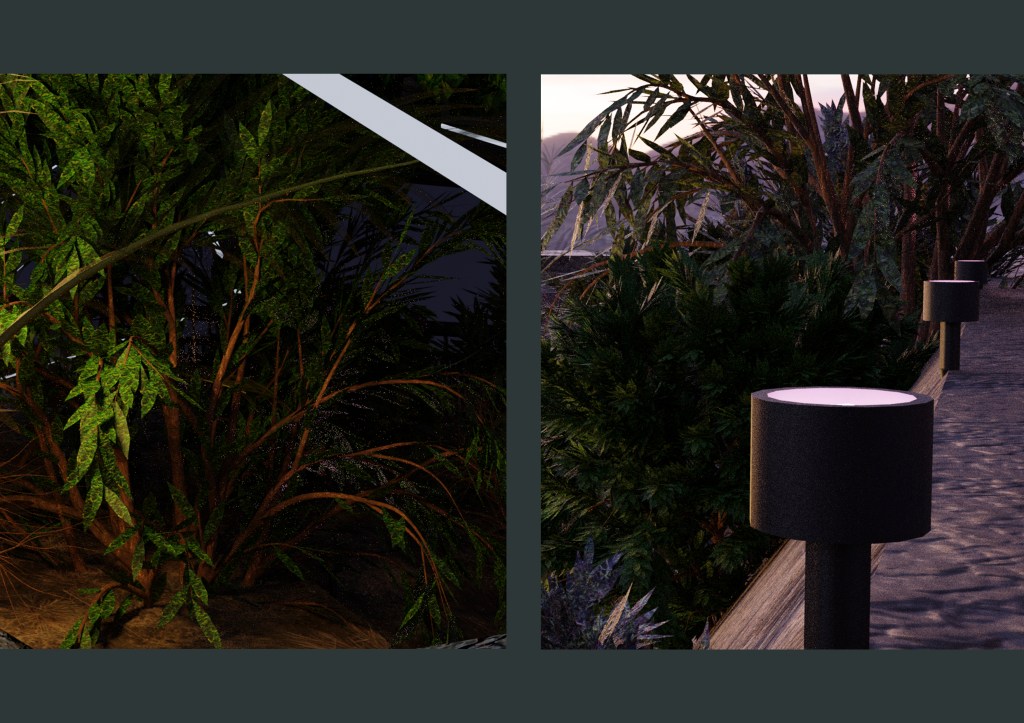
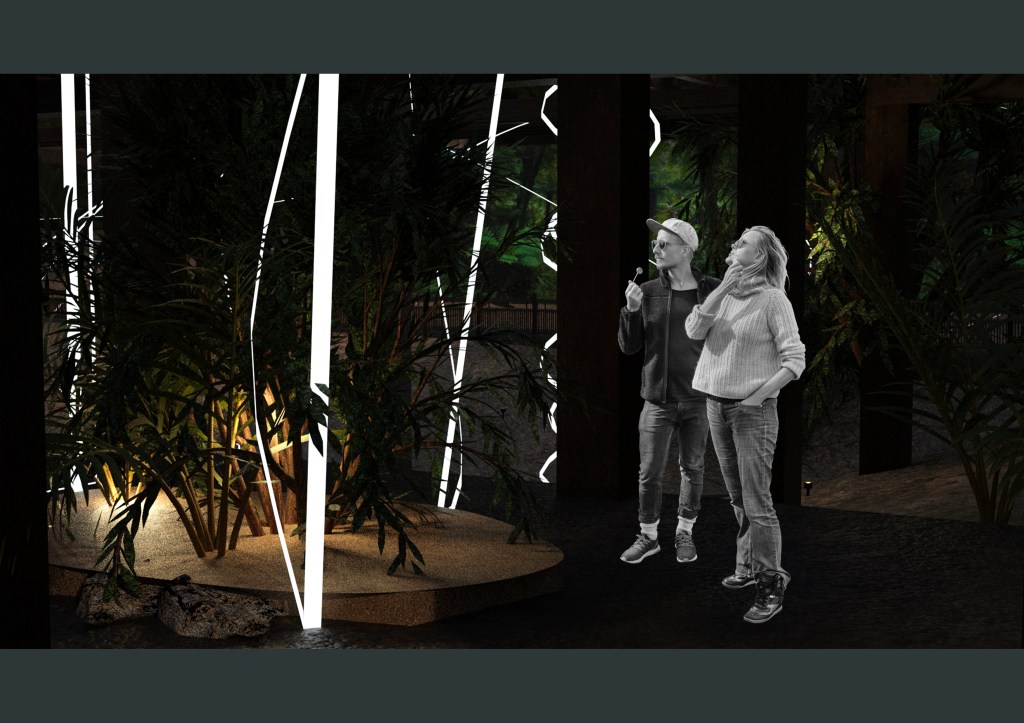
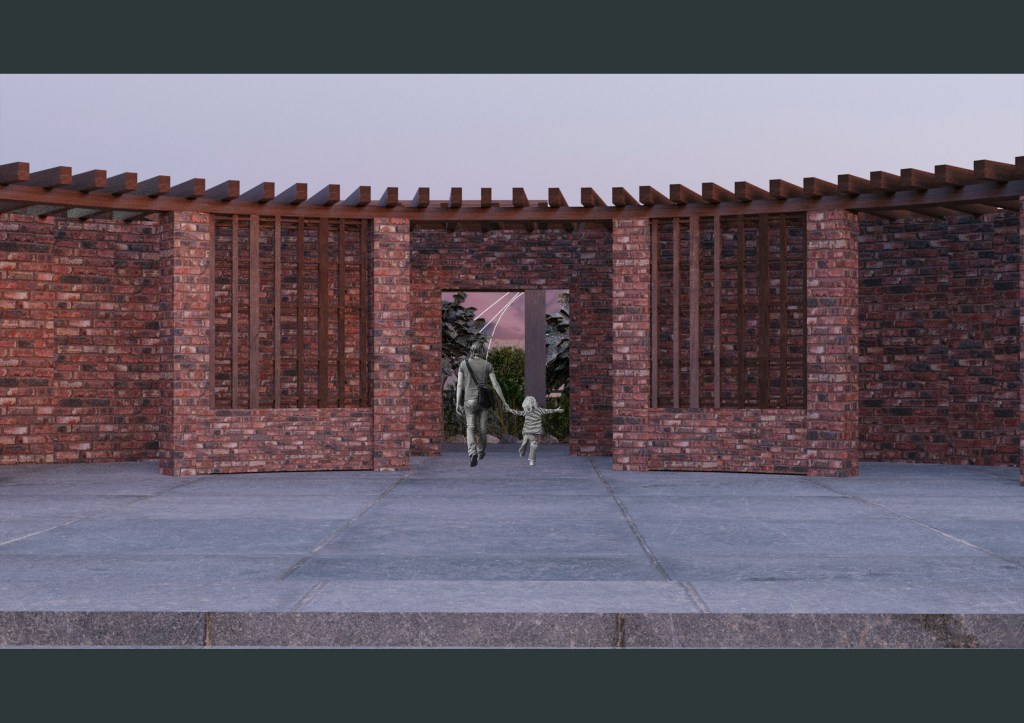
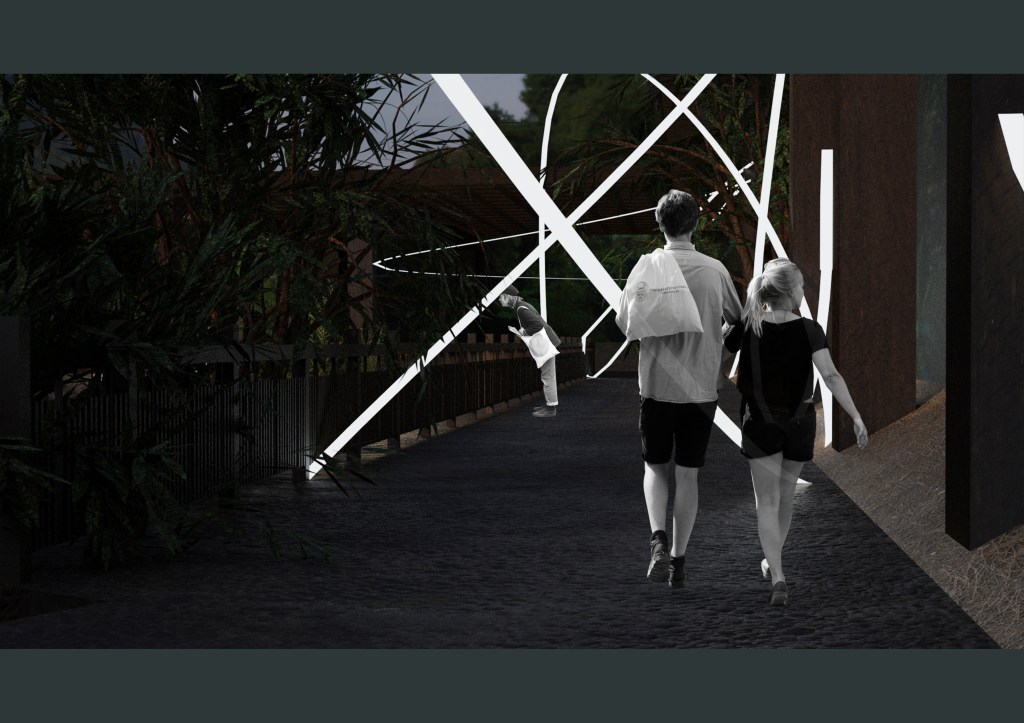
I also worked on creating visuals that communicate my ideas around each of the lighting features within the fernery. I included dimensions so viewers could gather a sense of scale and placement of each sculpture can be seen on the plan and section views of the site.

Week 12: Pin-Up
I spent time thinking about the layout of my presentation. I considered things such as size and boldness of images. I felt that the layout of lighting was an important piece of information for my design so I knew I wanted the plan of the fernery to be A2. I printed most of my perspectives of the site in A3 so that viewers could grasp a sense of the atmosphere created. Below was the initial layout plan I created when printing.
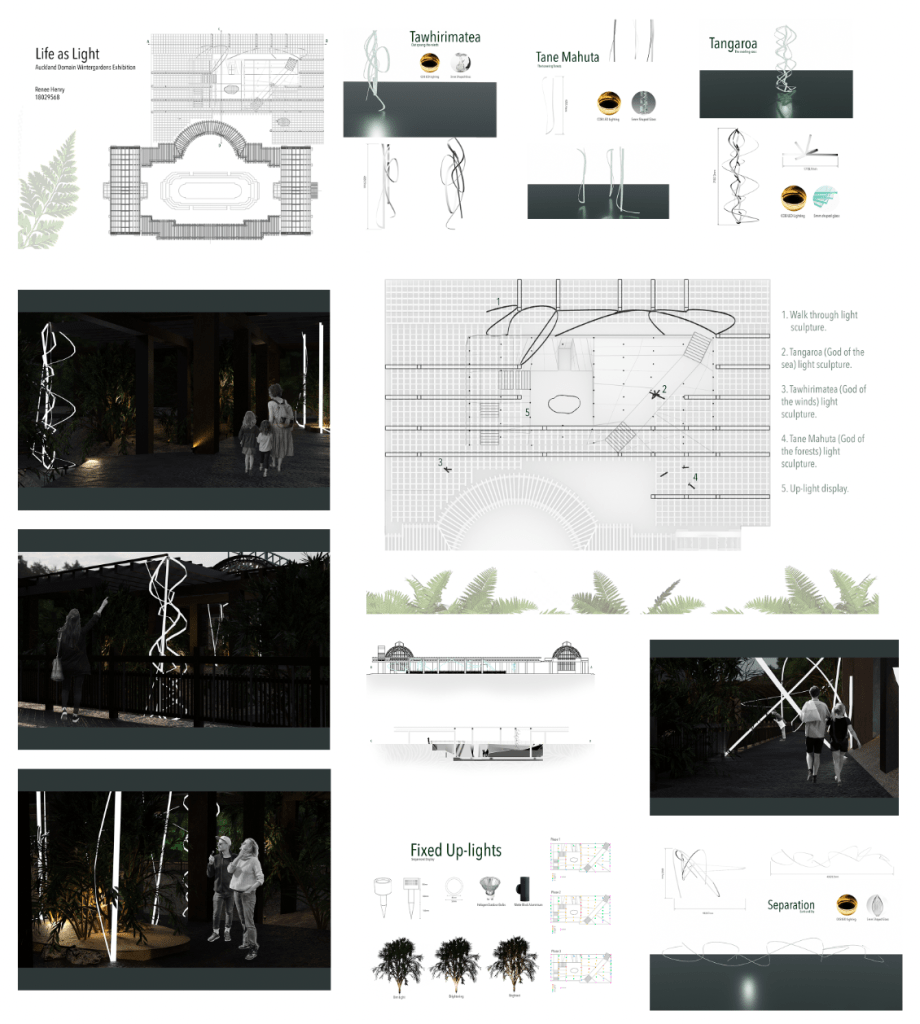
After discussing with my peers when pinning up we made minor changes to my final layout. We moved lighting information at the bottom to above the fernery plan so that it sat with the rest of the same imagery. This helped my design be read better as whole.
Presentation:
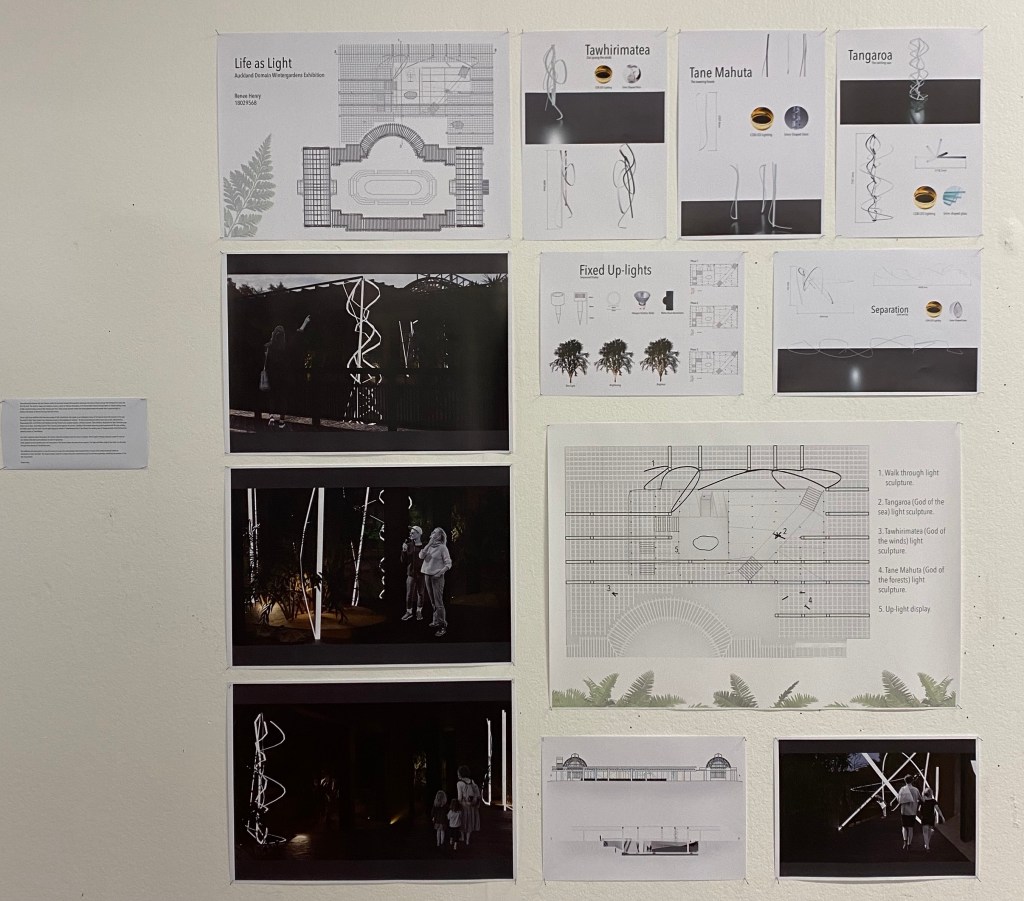
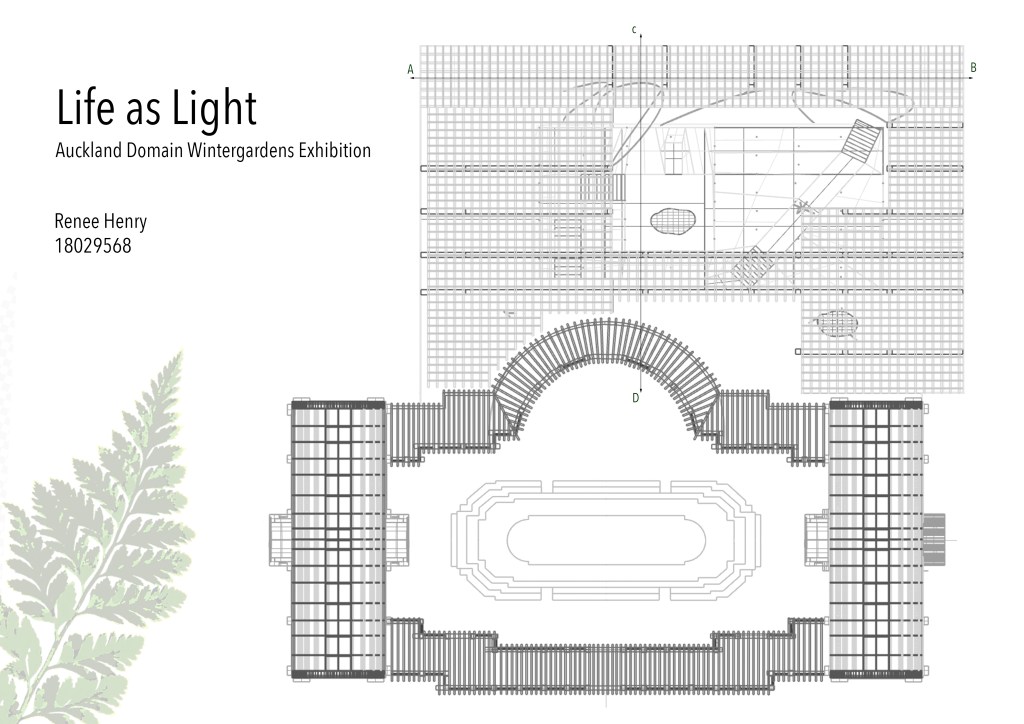
Life as Light is a night time exhibition that will take place within the fernery area of the wintergardens. The exhibition features 5 different lighting displays that speak towards our native ideas of the natural world, the creation of life and the need for light.
The relationship between light and shadow within the Auckland Domain Wintergardens landscape has been a visual concept that intrigued me since the first site visit. The detail of shape and shadows creates a sense of delicacy throughout. Soft filtered light trickles through layers of foliage leaving traces of light scattered along surfaces that change over time. These visual elements made me wonder how I could use light to enhance the beauty of the site in a way that tells a story of the life nature holds.
Maori origins trace themselves back to the beginning of creation – Te Kore (total darkness) where there was no life, only potential. Papatuanuku (the Earth Mother) and Ranginui (the Sky Father) were clasped together, suppressing all growth. Their children, desperate for light, devised a plan where one of them, Tane Mahuta (God of the Forests) would separate his parents. Binding to his mother below he pushed upwards with his legs pushing his father apart from the earth. Into the light sprang the winds of Tawhirimatea (God of the Winds), the swirling seas of Tangaroa (God of the Sea) and the towering forests of Tane Mahuta.
Four glass and LED light sculptures are placed throughout the fernery representing elements from the story of creation. Three organic flowing sculptures speak for each of the children while the fourth embodies the idea of separation.
Small round up-lights made from matte black aluminium are also spread across the lower parts of the fernery where the paths do not explore. The lights will shine brightly then fade to a dim light through three phases as if breathing slowly. An inhale and exhale of light.
I think it’s ironic that the original exhibition design of the wintergardens showcased such an array of other cultures, plants and design styles while being placed in such an historically important place within Auckland. By lighting up the Fernery for an exhibition I will be placing more emphasis on the native area of the gardens.
This new exhibition will allow visitors to view the Gardens in a way that acknowledges New Zealand’s idea of nature while being immersed in an atmosphere of plant and light. The elegant shapes stand for strength and power representing new life and new beginnings, exhibiting the essence of life that nature holds.
 Spatial Design